
The transition into the dormant season is a critical period for any perennial that remains in the ground throughout the winter. Preparing your plants for the cold months ahead ensures that the roots remain protected and the energy reserves are preserved for the spring. While this subspecies is remarkably hardy, it still benefits from a professional approach to winterization. A well-prepared garden has a much higher survival rate and will emerge from the snow with greater vigor and health.
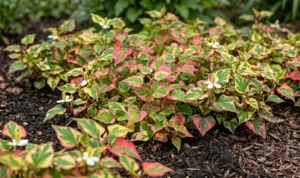
Physiological changes occur within the plant as the days grow shorter and the temperatures begin to drop. The movement of fluids slows down, and the plant begins to shift its focus from foliage production to root fortification. You will notice the leaves turning a deeper shade or even developing a reddish tint as the chlorophyll breaks down. This is a natural and necessary part of the plant’s annual cycle, signaling the onset of its period of rest.
Moisture management remains important even as the plant enters dormancy and the top growth begins to die back. You should ensure that the soil is adequately hydrated before the first deep freeze of the season. Dry soil freezes more deeply and quickly than moist soil, which can lead to more significant root damage during extreme cold. Providing a final thorough soaking in late autumn is one of the most effective things you can do for your perennials.
Winter protection is not just about the cold; it is also about protecting the plant from the physical stresses of the season. High winds can dry out the stems, and heavy snow loads can crush the dormant crowns if they are not properly supported. Using natural mulches and strategic windbreaks can create a safer microclimate for the plants during the harshest weather. A thoughtful winter plan addresses all these potential threats to ensure a successful transition back to growth in the spring.
Preparing the root system for frost
The root system is the heart of the perennial plant and must be protected at all costs during the winter months. As the top of the plant dies back, the roots remain alive and active, albeit at a much slower metabolic rate. You can help the roots prepare by avoiding any heavy fertilization in the late summer or early autumn. This prevents the growth of tender new shoots that would be easily killed by the first frost, wasting the plant’s energy.
More articles on this topic
Soil compaction can be a major problem for roots during the winter because it reduces the amount of insulating air trapped in the earth. You should avoid walking on your garden beds or using heavy machinery near your plants once the ground begins to freeze. Loose, well-aerated soil provides a much better thermal barrier against the fluctuating temperatures of the season. Maintaining the structure of the soil is just as important in the winter as it is during the peak growing season.
Heaving is another common winter issue where the repeated freezing and thawing of the soil pushes the plant’s crown out of the ground. This exposes the delicate roots to the drying air and extreme cold, which can quickly lead to the death of the specimen. You should check your garden periodically during the winter, especially after a warm spell followed by a sudden freeze. If you see a plant that has been pushed up, gently press it back into the soil and add more mulch for protection.
A final application of organic matter in the late autumn can provide a slow release of nutrients as it decomposes over the winter. This doesn’t stimulate immediate growth but instead enriches the soil for the upcoming spring surge. Compost or well-rotted leaves are excellent choices for this purpose because they also improve the soil structure. Building a healthy underground environment is the best way to ensure that the roots have everything they need to survive the dormant period.
Mulching and protective layering
Mulch serves as a thermal blanket for the soil, dampening the effects of rapid temperature changes on the plant’s roots. You should apply a three to four-inch layer of organic mulch after the ground has frozen for the first time. Applying it too early can trap heat in the soil and delay the plant’s entry into dormancy, making it more vulnerable to a sudden cold snap. Use materials like shredded bark, straw, or pine needles that provide good insulation while still allowing for some airflow.
More articles on this topic
The crown of the plant, where the stems meet the roots, is the most sensitive area and requires the most protection. You should ensure that the mulch layer is slightly thicker around the base of each clump, but avoid piling it directly against any remaining green tissue. This creates a protective mound that keeps the dormant buds safe from the biting winter winds. As the mulch breaks down over the winter, it will also improve the quality of the soil for the next growing season.
Evergreen boughs can be placed over the top of your perennial beds to provide an additional layer of protection from the wind and sun. This is particularly useful in areas that do not receive a consistent blanket of insulating snow throughout the winter. The boughs trap drifting snow, which is one of nature’s best insulators for garden plants. They also help prevent the soil from drying out too quickly on sunny, windy winter days.
In extremely cold climates, you might consider using specialized horticultural fabrics or frost blankets for your most prized specimens. These materials are designed to trap the heat rising from the earth while still allowing the plant to breathe. You should secure the edges of the fabric with landscape staples or stones to prevent the wind from blowing it away. Removing the covers during any prolonged warm spells in late winter prevents the plants from waking up too early.
Dormancy and physiological changes
Dormancy is a complex biological state that allows the plant to survive conditions that would otherwise be lethal. It is triggered by a combination of decreasing day length and falling temperatures, which activate specific hormonal changes within the plant. During this time, the plant’s respiration and other metabolic processes drop to their lowest possible levels. This energy-saving mode is essential for the long-term survival of any perennial growing in a seasonal climate.
The visual cues of dormancy, such as the browning of the foliage, should be welcomed as a sign of a healthy plant. You should resist the urge to cut back the dead stems too early in the autumn, as the plant is still moving nutrients from the leaves to the roots. Leaving the dead stems in place can also provide some natural protection for the crown and catch falling leaves. Most professionals wait until the foliage is completely dry and brittle before performing any major cleanup.
Snow cover is often called “the poor man’s mulch” because it provides such effective insulation for the garden. A deep layer of snow keeps the soil temperature relatively constant, even when the air temperature drops well below zero. It also provides a steady source of moisture as it slowly melts during warmer periods throughout the winter. If you have areas with low snow cover, you might need to provide extra artificial mulch to compensate for the lack of natural insulation.
Understanding the difference between dormancy and death is an important skill for any professional gardener to develop. Some plants may look completely lifeless during the winter, but a quick scratch test on a lower stem or crown can reveal green, living tissue. You should be patient in the spring and give the plants plenty of time to wake up as the soil warms. This subspecies is known for being quite reliable, but it can sometimes be slow to emerge if the winter was particularly long.
Spring awakening and recovery
The return of warmth and increasing light levels in the spring act as the primary triggers for the end of dormancy. You will see the first signs of life as tiny green shoots begin to push through the soil at the base of the old stems. This is the time to remove any winter protection and clear away the dead debris from the previous year. Be careful not to damage the tender new growth as you work around the base of the plant.
Assessing the health of your plants after the winter is an essential part of your spring maintenance routine. Look for any signs of root rot or crown damage that might have occurred during the wet, cold months. If a plant seems slow to recover, a light application of a liquid seaweed extract can provide a gentle boost of minerals. Most healthy specimens will quickly regain their vigor as the soil temperatures rise above fifty degrees Fahrenheit.
Spring is also the ideal time to evaluate the success of your winterization strategies and make notes for the following year. Did the mulch stay in place, or did the wind blow it away from the most sensitive plants? Were there any areas where the soil remained too wet, indicating a need for better drainage? Continuous improvement is the key to mastering the art of overwintering perennials in a changing climate.
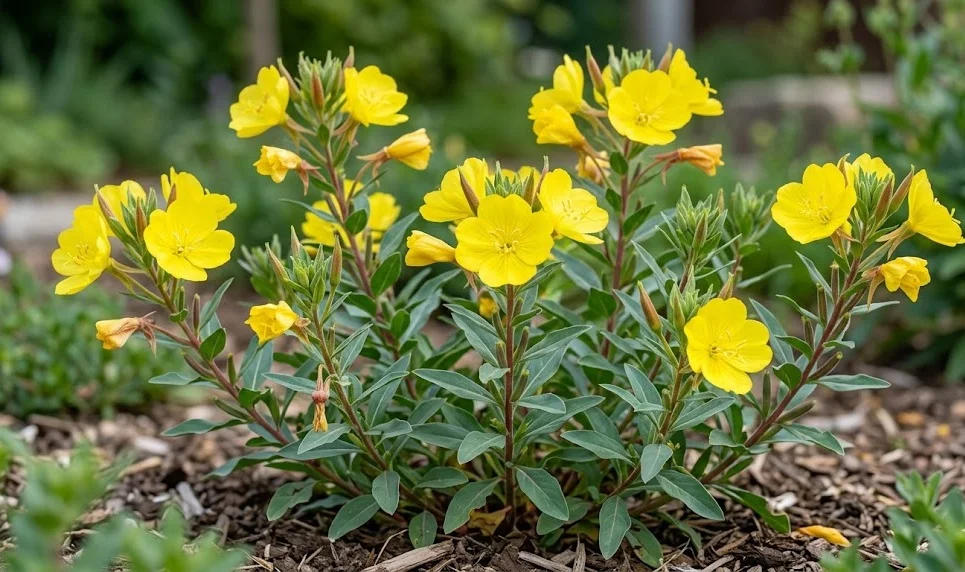
As the new growth becomes more established, you can begin your regular seasonal care routine of watering and weeding. The energy that the plant stored in its roots over the winter will now be used to fuel a rapid surge of foliage and flowers. Seeing your garden come back to life is the ultimate reward for the careful preparation you did in the autumn. A successful winter transition sets the stage for a spectacular and golden summer display.