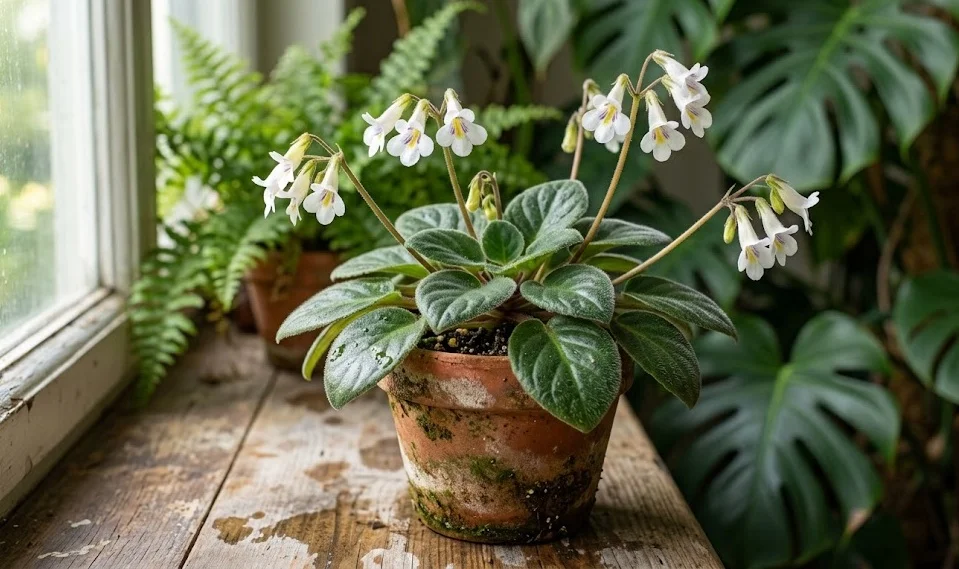

The vietnamese primrose is a plant that thrives in bright, indirect light, much like the filtered sun of its native forests. Direct sunlight, especially during the middle of the day, can be much too intense for its delicate, velvety leaves. If the sun hits the plant directly for too long, you might notice pale or even scorched brown patches on the foliage. The goal is to provide enough energy for blooming without causing any physical damage to the plant.
In a typical home environment, an east-facing window is often the most ideal location for this charming little species. This provides the plant with gentle morning sun that is not strong enough to burn the leaves but offers plenty of energy. If you only have south or west-facing windows, you should place the pot a meter or two back from the glass. Alternatively, a sheer curtain can be used to soften the light and create a perfect growing environment.
You can judge the light quality by looking at the shadow your hand casts near the plant during the brightest part of the day. A soft, fuzzy shadow indicates good indirect light that is perfect for the primrose to grow and bloom. If the shadow has very sharp, dark edges, the light is likely too direct and could be harmful over time. Learning to read the light in your own home is an essential skill for every indoor gardening enthusiast.
The duration of light is just as important as the intensity for a plant that flowers throughout the entire year. To keep your primrose blooming consistently, it should receive about twelve to fourteen hours of bright light every day. During the winter, when the days are shorter, the plant may naturally produce fewer flowers or stop blooming altogether. This is a normal response to the changing seasons, but it can be managed with a bit of extra effort.
Adjusting light for healthy growth patterns
The way your plant grows will tell you everything you need to know about whether it is getting the right amount of light. A perfectly lit vietnamese primrose will grow in a tight, symmetrical rosette with leaves that overlap slightly in a beautiful pattern. If you notice the stems getting long and the leaves stretching out, the plant is searching for more light. This “leggy” growth is a clear signal that you should move the pot to a brighter location.
More articles on this topic
On the other hand, if the leaves start to curl downward or turn a very dark, dull green, the light might be too intense. The plant is essentially trying to protect itself by reducing the surface area exposed to the harsh rays of the sun. In very bright light, the beautiful white flowers may also fade faster or even brown at the edges before they fully open. Finding the “sweet spot” for light intensity is the key to maintaining a professional-looking specimen.
Regularly rotating the pot is a simple but vital task for ensuring that the plant grows evenly from all sides. Because the leaves will always turn toward the strongest light source, a stationary plant will eventually become lopsided. A quarter turn every few days or once a week is all it takes to keep the rosette perfectly balanced and attractive. This small habit makes a big difference in the overall aesthetic appeal of your indoor plant collection.
Light requirements can also change slightly depending on the age of the plant and its current growth phase. Young seedlings and newly propagated leaf cuttings often prefer slightly lower light levels until they have established a strong root system. Mature plants that are actively blooming need the most energy and should be kept in your brightest indirect light spots. Pay close attention to these changing needs to ensure that your primroses are always in the best possible location.
Using artificial light for consistent results
For many growers, especially those in urban apartments or northern climates, natural light is often not sufficient for year-round blooming. In these cases, using artificial grow lights is a highly effective and professional solution for maintaining a healthy collection. Modern LED grow lights are very energy-efficient and can be tailored to provide the exact spectrum of light that plants need. They allow you to grow beautiful primroses in even the darkest corners of your home.
More articles on this topic
When setting up your grow lights, you should aim to place them about twenty to thirty centimeters above the top of the plants. If the lights are too far away, the plants will stretch toward them, but if they are too close, the heat could burn the leaves. Most growers use a simple timer to keep the lights on for twelve to fourteen hours a day, mimicking a perfect summer day. This consistency is one of the secrets to getting those legendary year-round blossoms.
The color of the light also matters, as different wavelengths encourage different types of growth in the plant’s life cycle. Blue light is generally better for healthy foliage and keeping the plant’s growth compact and sturdy for a professional look. Red light, on the other hand, is essential for stimulating the production of flower buds and ensuring a long blooming season. Many modern grow lights offer a “full spectrum” that provides a balanced mix of all the necessary colors.
One of the great advantages of artificial lighting is the total control it gives you over the plant’s environment throughout the year. You no longer have to worry about cloudy weeks or the short days of winter affecting the health of your primroses. With a good lighting setup, you can enjoy a vibrant, flowering garden indoors regardless of what the weather is doing outside. It is an investment that any dedicated indoor gardener should seriously consider for their home.