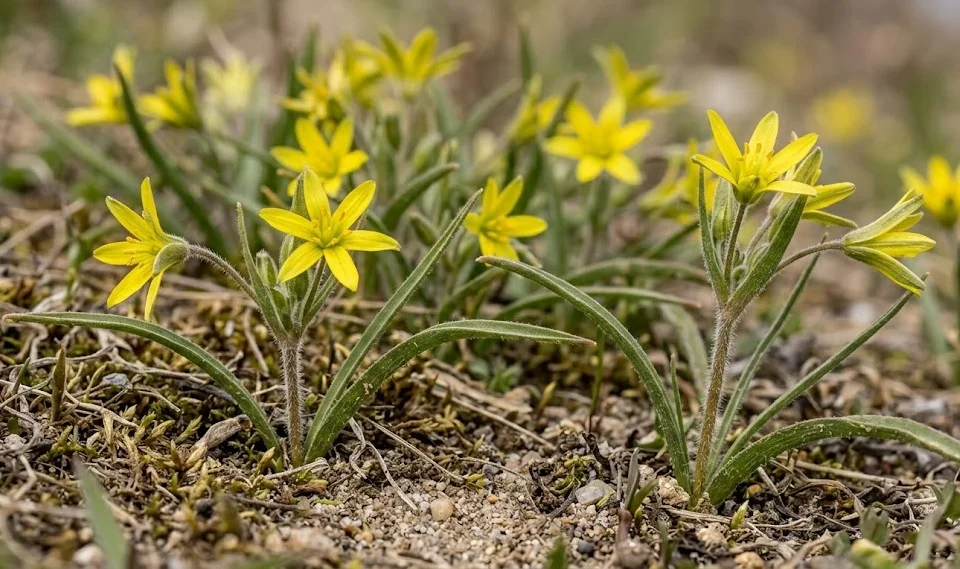

Pruning and cutting back are essential maintenance tasks that help manage the health and appearance of this delicate spring ephemeral throughout its brief but active lifecycle. While these small plants do not require the intensive structural pruning that shrubs or trees do, thoughtful intervention at the right moments can prevent disease and support the long-term energy reserves of the bulbs. Understanding when to leave the plant alone and when to take action with your shears is a mark of a professional horticulturist. These practices ensure that the plant remains a vibrant and healthy part of the garden ecosystem year after year.
The most important rule of pruning for any bulbous plant, including the star-of-Bethlehem, is to never remove healthy green leaves. The leaves are the plant’s only way of generating the energy it needs to survive the dormant season and to produce flowers in the following year. Even if the leaves begin to look a bit messy as the season progresses, they must be allowed to remain until they have turned completely yellow or brown and have naturally withered. Cutting them back too early is the most common cause of bulb decline and failure in garden settings.
Structural pruning in the traditional sense is not applicable here, but the removal of spent flower stalks, also known as “deadheading,” can be a useful practice. This prevents the plant from investing its limited energy into seed production, allowing those resources to be redirected back into the bulb itself. If your goal is to increase the size and vigor of the existing bulbs rather than to spread the plant through seeds, deadheading is a highly recommended professional technique. However, it should be done carefully to avoid damaging the remaining foliage.
Hygiene is paramount when performing any kind of cutting or pruning in the garden to prevent the spread of pathogens between plants. Always ensure that your tools are sharp and have been thoroughly sanitized before you begin working on your star-of-Bethlehem colony. A clean cut heals faster and is much less likely to become an entry point for fungal or bacterial infections. Professionalism in gardening is often found in these small, disciplined habits that protect the overall health of the entire collection.
Post-flowering foliage care
After the bright yellow flowers have faded, the plant enters a critical phase where it focuses all its energy on rebuilding the bulb’s storage reserves. During this time, the foliage often begins to sprawl and may even start to look a bit unkempt as it competes for space with emerging summer perennials. Resist the urge to tidy up the garden by cutting these leaves back or by tying them into neat bundles, as both practices reduce the leaf’s exposure to the sun. The more sunlight the leaves can capture during this post-flowering period, the stronger the bulb will be for the next season.
More articles on this topic
If the yellowing leaves of the star-of-Bethlehem are distracting in a formal garden bed, you can use clever planting strategies to hide them without causing harm. Planting later-emerging perennials, such as hostas or hardy geraniums, nearby can provide a natural screen that covers the senescing foliage as it dies back. This “layering” approach allows the star-of-Bethlehem to complete its lifecycle naturally while maintaining the aesthetic appeal of the garden. Strategic design is often a better solution than premature pruning for managing the appearance of spring ephemerals.
The natural senescence process, where the nutrients are moved from the leaves back into the bulb, is a complex biological event that should not be interrupted. As the leaves turn yellow and then brown, the plant is recycling its nitrogen and other mobile nutrients to be stored for the coming year. If you cut the leaves while they are still even partially green, you are effectively stealing those vital resources from the plant’s future. Patience is a fundamental requirement for anyone who wishes to care for these specialized bulbs professionally.
Once the foliage has become completely dry and brittle, it can be easily removed by hand with a gentle tug or a light raking. At this stage, the connection between the leaf and the bulb has already been naturally severed, and the material can be safely added to the compost pile. Removing the dead foliage at the end of the season helps prevent the buildup of pests and diseases that might overwinter in the leaf litter. A clean site in the late summer is the best preparation for a successful emergence in the following spring.
Removing spent flower stalks
Deadheading the flowers involves cutting the flower stalk back to the point where it emerges from the foliage, ideally before it has a chance to develop mature seed pods. This task should be performed as soon as the individual petals have withered and lost their vibrant yellow color. By removing the developing seeds, you signal to the plant that it should focus its remaining energy on vegetative growth and bulb development. This is a common practice for those who want to maximize the size and flowering potential of their bulb collection.
More articles on this topic
When deadheading, use a pair of small, sharp snips or garden scissors to make a clean cut without tearing the delicate tissues of the stem. It is important to avoid cutting into the surrounding leaves, as every bit of green surface area is valuable for photosynthesis. If the flower stalks are quite short, you may find it easier to simply pinch them off with your fingernails, provided you can do so cleanly. Whichever method you choose, the goal is to remove the reproductive structures as efficiently as possible with minimal stress to the plant.
If you are interested in naturalizing the star-of-Bethlehem and want it to spread throughout a meadow or garden area, you should skip the deadheading process entirely. Allowing the seeds to mature and disperse naturally is the only way for the colony to expand its footprint and increase its genetic diversity over time. In this case, your only pruning task will be the eventual removal of the dead stems and leaves once the entire plant has entered its summer dormancy. Your management goals should always dictate your pruning and cutting strategies.
Observing the response of your plants to deadheading over several years can provide valuable insights into its effectiveness for your specific location. You may find that certain colonies respond with much more vigorous growth in the following year, while others seem to do just as well when left to seed naturally. A professional gardener is always experimenting and adjusting their techniques based on the real-world results they see in their own landscape. Learning from the plants themselves is the highest form of horticultural education.
Tools and sanitation practices
Using the right tools for the job makes the work of pruning and cutting both more efficient and safer for the plants. For a small species like the hairy star-of-Bethlehem, large garden shears are usually too clumsy and can easily cause accidental damage to the leaves. Instead, opt for a pair of high-quality floral snips or specialized precision pruners that allow for delicate and accurate movements. Keeping your tools sharp is also essential, as a dull blade will crush the stems rather than cutting them, leading to slower healing and a higher risk of disease.
Sanitizing your tools between different plants or colonies is a critical professional habit that prevents the spread of viruses, bacteria, and fungi. A simple spray bottle filled with a solution of seventy percent isopropyl alcohol is a quick and effective way to disinfect your blades as you move through the garden. Alternatively, some gardeners use a weak bleach solution or specialized horticultural wipes designed for this purpose. Whatever method you choose, consistency is the key to maintaining a healthy and disease-free garden environment.
Storage and maintenance of your pruning tools are also important factors that contribute to their longevity and effectiveness over time. After each use, clean the blades of any sap or soil and dry them thoroughly to prevent rust from forming on the metal surfaces. A light coating of oil on the moving parts and the blades will keep them working smoothly and ready for the next time they are needed. Taking care of your tools is a reflection of the care you take with your plants and is a hallmark of a professional approach to the craft.
Finally, always dispose of any pruned material responsibly, especially if you suspect that the plants may have been affected by pests or diseases. While healthy dead leaves and stems can be composted, any material showing signs of infection should be removed from the site or destroyed. This prevents the pathogens from being recycled back into your garden beds and protects the future health of your entire landscape. A professional gardener thinks about the long-term consequences of every action, from the first cut to the final cleanup.