
Sunlight is the primary source of energy for all plants, and understanding the specific light needs of your perennials is a key part of professional garden design. Wand loosestrife is a sun-loving species that relies on a good amount of daily exposure to produce its characteristic tall and colorful flower spikes. When placed in the right light, this plant will reward you with a vigorous growth habit and a spectacular display that lasts for many weeks. A professional approach to light management ensures that every plant in your landscape has exactly what it needs to flourish.
The amount and quality of light that a plant receives will directly impact almost every aspect of its development, from the strength of its stems to the color of its flowers. In the case of this particular perennial, plenty of direct sun is essential for creating the energy needed for its intense summer blooming period. If you find that your plants are looking a bit pale or are leaning toward the light, they are likely not receiving enough exposure. A skilled gardener learns to read these subtle visual cues and makes adjustments to the garden layout as needed.
While wand loosestrife is happiest in full sun, it is also a remarkably adaptable plant that can handle a certain amount of partial shade. This versatility makes it a valuable addition to many different types of garden settings, from open meadows to the edges of woodland areas. However, there is always a trade-off when moving a sun-loving plant into a shadier location, and you should be prepared for some changes in its appearance. Understanding these nuances allows you to place your plants where they will both look and perform their best.
Light requirements can also change throughout the year as the angle of the sun shifts and the shadows from nearby trees and buildings move across the landscape. What is a sunny spot in the early spring may become quite shady by the height of summer as the trees fully leaf out. A professional garden plan takes these seasonal changes into account, ensuring that each plant has a suitable environment year-round. Observing your garden at different times of the day and year is one of the most important habits you can develop.
Maximizing full sun exposure
To see this perennial at its absolute best, you should aim to provide it with at least six to eight hours of direct sunlight every day. This level of exposure provides the maximum amount of energy for the plant to build strong stems and produce a large number of flower buds. Full sun also helps to keep the foliage dry, which is a natural defense against many of the fungal issues that can affect moisture-loving plants. A sunny location is truly the ideal home for a thriving and healthy wand loosestrife.
More articles on this topic
In a garden border, this means placing the plant in a spot that is not shaded by taller shrubs or trees during the most intense parts of the day. South and west-facing locations are generally the sunniest spots in most northern hemisphere gardens and are perfect for sun-loving species. If you are planting a new bed from scratch, think about the height of each plant and arrange them so that the shorter ones are not hidden in the shadows of the taller ones. This thoughtful arrangement is a hallmark of professional-level landscape design.
Reflected light from nearby walls or fences can also add to the total amount of energy a plant receives throughout the day. A light-colored wall can bounce extra sunlight back onto the garden, creating a warm and bright microclimate that many perennials love. However, be mindful that these spots can also become quite hot and dry during the summer, so you will need to pay extra attention to your watering routine. Balancing light and moisture is the key to success in these high-energy parts of your garden.
If you have a garden that is naturally very sunny, you may find that your plants grow even taller and more vigorously than expected. This is a great sign that they are happy in their environment, but it may also mean you need to provide a bit more space for them to expand. Professional gardening involves constantly monitoring these growth patterns and making small adjustments to the layout to keep everything looking balanced. A well-placed perennial in full sun is a sight to behold and a testament to your careful planning.
Adapting to partial shade conditions
In many home gardens, finding a spot with uninterrupted full sun can be a challenge, making the adaptability of this species a very useful trait. Wand loosestrife can perform quite well in locations that receive around four to six hours of sunlight, or even in areas with dappled shade throughout the day. In these conditions, you may notice that the plant has a slightly more relaxed growth habit and the flower colors might be just a bit softer. This can be a very charming look that fits perfectly into more naturalistic or cottage-style garden designs.
More articles on this topic
One benefit of growing this plant in partial shade is that the soil tends to stay moist for a longer period of time, which the plant certainly appreciates. The lower light levels reduce the rate of evaporation from both the soil and the leaves, making your watering routine a bit more manageable during hot spells. If you live in an area with particularly intense summer heat, a bit of afternoon shade can actually be beneficial for preventing the plant from becoming stressed. A professional gardener always considers the local climate when deciding on the best light exposure.
However, you should be careful not to place the plant in deep shade where it will struggle to find enough energy to produce any flowers at all. Stagnant, dark corners are also more prone to humidity and poor air circulation, which can lead to various foliage problems over time. If a plant is clearly struggling in a shady spot, it is often best to move it to a brighter location in the early spring or late autumn. Gardening is a constant process of trial and error as you discover what works best in your specific outdoor space.
You can also use light-colored mulch or nearby light-colored foliage to help “brighten up” a shadier part of your garden for your perennials. Plants with silver or variegated leaves can reflect a surprising amount of light onto their neighbors, creating a more luminous environment. This is a professional design trick that can help you make the most of the different light conditions in your yard. Every part of your garden has its own unique potential if you take the time to understand and work with the available light.
Impact of light on bloom intensity
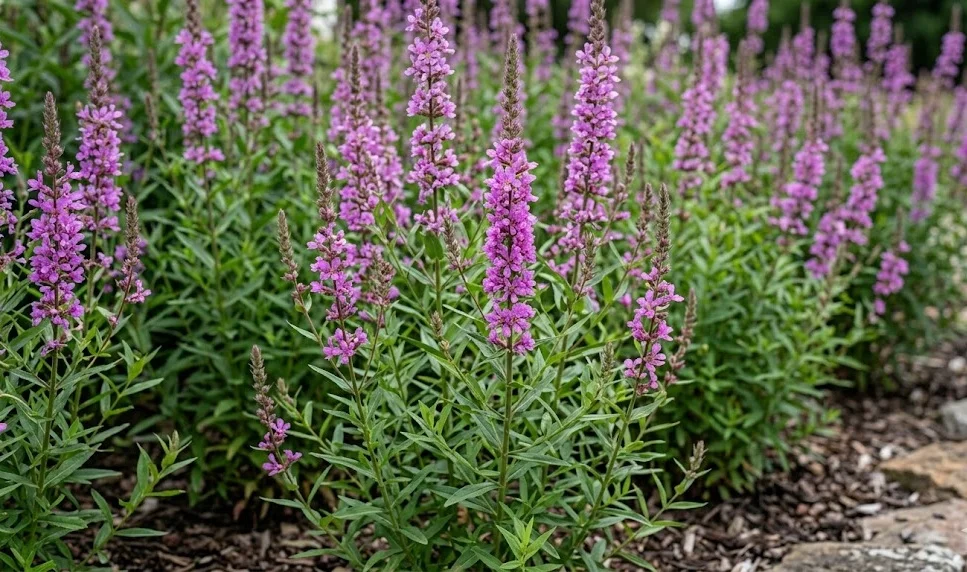
The relationship between sunlight and the quality of the floral display is one of the most direct connections you will see in your garden. The intense pink or purple color of the flower spikes is a result of complex chemical processes that require a high level of solar energy to complete. In full sun, the colors will be at their most vibrant and the spikes will be densely packed with individual flowers. If you want a real “wow factor” in your summer landscape, maximizing sunlight is the most effective way to achieve it.
Light also plays a role in determining the timing and duration of the blooming season for many types of garden perennials. Plants in sunnier locations will often start flowering a bit earlier in the summer and may continue to produce new spikes for a longer period. This is because they have a larger reserve of energy to draw upon than plants that are struggling in the shade. Professional gardeners often use these differences in bloom timing to create a sequence of color that lasts all summer long.
If you find that your wand loosestrife is not blooming as well as it used to, it may be because a nearby tree has grown large enough to cast too much shade. This is a common issue in older gardens where the landscape is constantly evolving and changing over many years. You may need to do a bit of pruning on your trees or consider moving the perennials to a newer, sunnier part of the yard. Keeping an eye on these long-term changes is an important part of professional garden maintenance.
Finally, remember that the quality of light can also affect how we perceive the colors of our flowers when we are looking at them. The warm light of the early morning or late afternoon can make the pink and purple hues of the spikes look even more intense and beautiful. Position your sun-loving plants where they can be backlit by the rising or setting sun for a truly magical garden experience. Professional gardening is as much about the artistic presentation of your plants as it is about their botanical health.