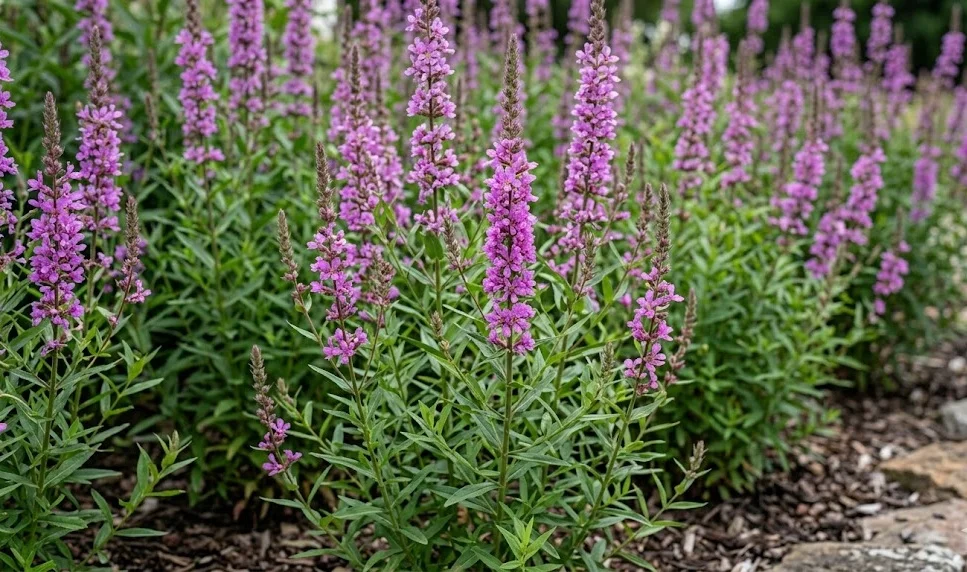

Even the most carefully tended gardens can occasionally fall victim to the various pests and diseases that are a natural part of any outdoor environment. Maintaining the health of your wand loosestrife requires a vigilant eye and a professional understanding of how to prevent and manage these common issues. By staying informed and acting quickly, you can ensure that your perennials remain strong and vibrant throughout the entire growing season. A proactive approach to plant health is one of the most important habits of a successful gardener.
The best defense against any type of pest or disease is always a healthy and vigorous plant that is growing in its ideal conditions. When a plant is stressed by drought, poor soil, or inadequate light, its natural immune system is weakened and it becomes much more susceptible to attack. This is why following professional care guidelines for watering and fertilizing is so critical for long-term health and resilience. A well-cared-for garden is naturally more resistant to the challenges that come its way.
Regular inspections are the foundation of any effective pest and disease management strategy for your landscape. You should make it a habit to look closely at the foliage and stems of your plants at least once a week during the summer months. Check the undersides of the leaves and the areas around the new growth where many insects like to hide and feed. Catching a problem in its earliest stages makes it much easier to treat and prevents it from spreading to other parts of the garden.
There are many different types of issues that can affect this species, ranging from fungal infections to leaf-eating insects and root problems. Each of these requires a slightly different approach to manage effectively while minimizing the impact on the surrounding environment. Using integrated pest management techniques, which focus on natural and low-impact solutions, is the mark of a truly professional and responsible gardener. Understanding the life cycles of common pests and diseases is the first step toward effective control.
Identifying and managing fungal issues
Fungal diseases are among the most common problems that gardeners face, especially during periods of warm and humid weather. One of the most recognizable fungal issues is powdery mildew, which appears as a white, dusty coating on the surface of the leaves. While it is often mostly an aesthetic problem, it can weaken the plant over time if left untreated. Proper air circulation and avoiding overhead watering are two of the best ways to prevent this common issue from taking hold.
More articles on this topic
Leaf spot is another fungal disease that can sometimes affect the foliage of your moisture-loving perennials during the summer. You will notice small, dark spots appearing on the leaves, which may eventually cause them to turn yellow and drop off prematurely. Removing and disposing of any infected leaves as soon as you see them is a simple but effective way to slow down the spread. Keeping the area around the base of the plant clean and free of debris also helps to reduce the number of fungal spores in the environment.
If a fungal problem becomes particularly severe, you might consider using an organic fungicide to help get it under control. Neem oil or a simple solution of baking soda and water can be very effective at treating many common garden fungi without harming beneficial insects. Always apply these treatments in the early morning or late evening when the sun is not too intense to avoid burning the sensitive foliage. A professional approach involves using the least toxic option that will still get the job done effectively.
Long-term management of fungal issues focuses on creating an environment that is less hospitable to these types of organisms. This means being mindful of how you space your plants and ensuring they are not overcrowded in damp corners of the garden. Choosing disease-resistant varieties when you are buying new plants is another smart strategy for a healthy landscape. By understanding the conditions that fungi love, you can take simple steps to keep your garden one step ahead of them.
Controlling leaf-eating insects
Insects are a natural part of the garden ecosystem, but a few specific types can cause significant damage to the foliage of your wand loosestrife. Beetles and caterpillars are sometimes drawn to the tender green leaves, leaving behind holes or ragged edges as they feed. In many cases, a small amount of insect damage is perfectly normal and does not require any intervention from the gardener. However, if the population grows too large, you may need to take action to protect the health and beauty of your plants.
More articles on this topic
Hand-picking is one of the most direct and effective ways to manage larger insects like beetles or caterpillars when you first see them. Simply remove them from the plant and drop them into a bucket of soapy water to prevent them from returning to your garden. This method is completely safe for the environment and allows you to keep a close eye on the health of your perennials. It is a satisfying task that connects you directly with the rhythms of your outdoor space.
Aphids are another common garden pest that can sometimes be found clustering on the new growth and flower buds. These tiny insects suck the sap from the plant, which can cause the leaves to curl and become distorted over time. A strong stream of water from your garden hose is often enough to knock them off the plant and disrupt their feeding cycle. You can also encourage natural predators like ladybugs and lacewings to take up residence in your garden to help keep aphid populations in check.
Using chemical insecticides should always be a last resort in a professional and ecologically-minded garden setting. These products can often harm beneficial insects and pollinators that are essential for a healthy and vibrant ecosystem. If you must use a spray, look for narrow-spectrum products that are designed to target specific pests while leaving others unharmed. A professional gardener always considers the wider impact of their actions on the entire garden community.
Preventing root and crown problems
The health of the root system is perhaps the most critical factor in the overall success of any perennial plant in your landscape. Root rot is a serious issue that can occur if the soil remains waterlogged for too long, leading to the death of the roots. Symptoms often include a general wilting of the plant that does not improve with watering, as the damaged roots can no longer take up moisture. Ensuring good drainage and not over-watering are the most effective ways to prevent this devastating problem.
Crown rot is a similar issue that affects the base of the plant where the stems meet the soil surface. This is often caused by planting too deeply or by allowing mulch to pile up directly against the stems of the plant. You should always ensure that the crown is level with the soil surface and that there is a bit of space between the mulch and the plant itself. A professional planting technique is the best insurance against these types of avoidable subterranean problems.
If you suspect that a plant is suffering from root or crown rot, it is often best to remove it entirely to prevent the issue from spreading. Soil-borne pathogens can sometimes persist in the environment, so you may also need to amend the soil before planting anything new in that spot. Improving the drainage and aeration of the area is essential for ensuring that future additions to your garden remain healthy. Gardening is a constant process of learning from both your successes and your challenges.
Voles and other small rodents can also cause damage to the roots and crowns of your plants as they burrow through the soil. You may notice a plant suddenly wilting or even being pulled slightly into the ground if these pests are active in your garden. Using physical barriers like hardware cloth or planting in wire baskets can help to protect the sensitive root systems of your favorite perennials. A professional approach to pest management involves understanding the behavior of both insects and animals in your local area.
Integrated pest management strategies
Integrated Pest Management, or IPM, is a professional and sustainable approach that focuses on long-term prevention and low-impact solutions. This strategy begins with choosing the right plants for your specific location and maintaining them in peak health through proper care. By creating a diverse and balanced garden environment, you encourage natural predators to help you manage pest populations. A healthy garden is a complex web of interactions that usually finds its own balance without heavy intervention.
Monitoring and identification are the next steps in an effective IPM program for your home landscape. You should never treat a problem until you are certain what it is and whether it truly poses a threat to the health of your plants. Many insects that you see in your garden are actually beneficial and help to keep the “bad guys” under control. Learning to distinguish between friends and foes is a hallmark of a professional and knowledgeable gardener.
When intervention is necessary, start with the simplest and least toxic methods first, such as hand-picking or using a strong spray of water. Cultural practices like improving air circulation and adjusting your watering schedule can also have a major impact on reducing pest and disease pressure. If these steps are not enough, you can then move on to biological controls or organic treatments that have a minimal impact on the environment. This stepped approach ensures that you are only doing what is truly necessary for the health of your garden.
The ultimate goal of a professional pest and disease management program is to create a resilient and beautiful garden that can mostly take care of itself. By working with nature rather than against it, you create a space that is not only visually stunning but also ecologically sound. Every decision you make, from the mulch you choose to the way you handle an aphid outbreak, contributes to the overall health of your landscape. Professional gardening is about stewardship and a deep respect for the natural world.
Recovery and long term resilience
If one of your plants has suffered from a pest or disease outbreak, your goal is to help it recover as quickly and completely as possible. This involves providing extra care in the form of consistent watering and perhaps a light application of organic fertilizer to boost its energy. Pruning away any damaged or dead foliage helps the plant to focus its resources on new and healthy growth. With a bit of extra attention, most perennials can bounce back from even a significant setback.
Learning from every issue that arises in your garden is the best way to improve your skills and prevent future problems. Take note of when and where the issue occurred and what environmental factors might have contributed to it. You may find that certain parts of your garden are more prone to specific problems, allowing you to make better choices about what to plant there in the future. A professional gardener is always a student of their own landscape, constantly adapting and refining their approach.
Building long-term resilience in your garden involves focusing on soil health and biodiversity above all else. A soil that is rich in organic matter and beneficial microbes provides a strong foundation for healthy and resistant plants. Planting a wide variety of different species also helps to prevent a single pest or disease from wiping out your entire display. A diverse garden is a stable garden, and stability is the key to long-term success in any professional horticultural project.
Ultimately, gardening is a journey of partnership with the natural world, including the challenges that come with it. By following these professional guidelines for pest and disease management, you can protect your investment and enjoy a beautiful garden for many years. Every challenge you overcome makes you a better and more resilient gardener, just like the plants you tend. Embrace the process and take pride in the healthy and vibrant landscape you have created.