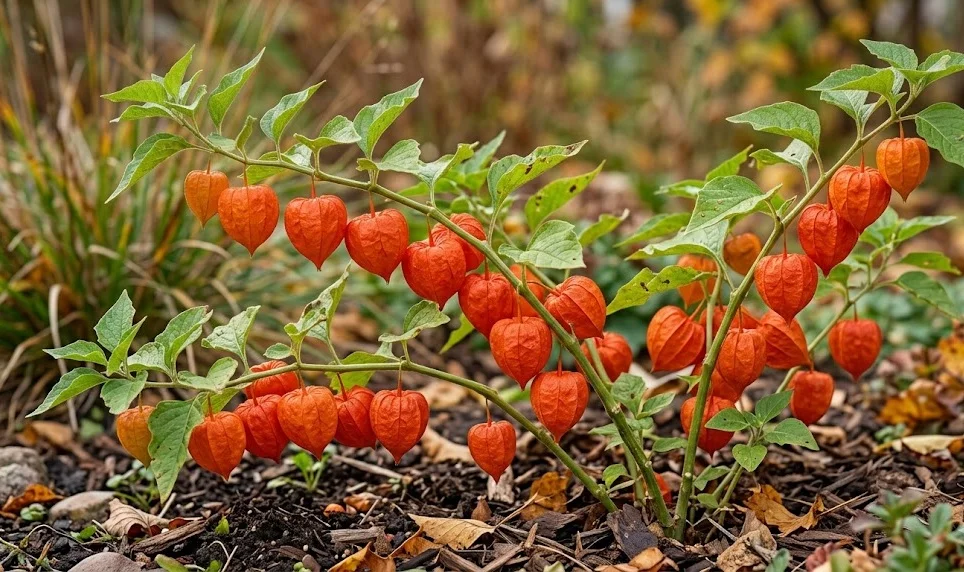

Maintaining the health of the Chinese lantern requires a vigilant eye for the various diseases and pests that can affect its vigor. While this plant is generally robust, its dense growth and specific botanical family make it susceptible to certain specialized threats. A professional approach involves not only identifying these problems early but also implementing preventative measures to keep the garden healthy. Understanding the lifecycle of both the plant and its common enemies is the first step toward effective management.
Integrated Pest Management (IPM) is the gold standard for dealing with issues in a professional horticultural setting. This strategy prioritizes biological and mechanical controls before turning to chemical interventions, ensuring a safer garden environment. Regular scouting of the foliage, especially the undersides of the leaves, can reveal an infestation before it becomes a crisis. Being proactive is always more effective than trying to salvage a severely damaged plant.
Fungal diseases are perhaps the most common challenge, often driven by environmental factors like high humidity and poor air circulation. These issues can manifest as spots on the leaves, white powdery coatings, or even rotting of the stems and roots. Managing the environment through proper spacing and watering techniques is a key part of disease prevention. A healthy plant is naturally more resilient and better able to withstand minor infections.
Pests, on the other hand, can cause direct physical damage by chewing on the foliage or sucking essential juices from the stems. Some of these insects are also vectors for viral diseases, making their control even more critical for the long-term health of the colony. Identifying the specific pest is essential because different insects require very different control methods. Professional-grade care means knowing your local pest population and being prepared for their arrival.
Identifying common fungal diseases
Powdery mildew is a frequent visitor to the Chinese lantern, appearing as a white, flour-like dusting on the leaves and stems. This fungus thrives in warm, dry days followed by cool, damp nights, which is common in late summer. While it rarely kills the plant, it can significantly reduce its vigor and spoil the aesthetic quality of the foliage. Improving air circulation around the plants is the most effective way to prevent this unsightly problem from taking hold.
More articles on this topic
Leaf spot diseases, caused by various fungal or bacterial pathogens, appear as dark, often circular lesions on the leaves. These spots can eventually merge, causing the leaves to turn yellow and drop prematurely from the plant. This loss of foliage reduces the plant’s ability to photosynthesize and can lead to smaller, less vibrant lanterns. Removing and destroying infected leaves as soon as they are spotted can help slow the spread of the disease.
Root rot is a more serious condition that is usually caused by overly wet or poorly draining soil. The first signs are often a general wilting of the plant that does not improve after watering, followed by yellowing foliage. If you examine the roots of an infected plant, they will appear dark, soft, and foul-smelling rather than firm and white. Correcting the drainage issues is the only way to prevent this fatal condition from recurring in future seasons.
To manage these fungal issues professionally, it is important to practice good garden hygiene throughout the year. Avoid overhead watering, which keeps the foliage wet and creates the perfect environment for spores to germinate. At the end of the season, remove all dead plant material from the bed to prevent pathogens from overwintering in the debris. These simple steps can drastically reduce the disease pressure on your Chinese lanterns and other nearby plants.
Managing common insect pests
Aphids are small, soft-bodied insects that often congregate on the tender new growth and the undersides of leaves. They feed by sucking the sap from the plant, which can cause the leaves to curl and become distorted. A heavy infestation can also lead to the growth of sooty mold, a black fungus that grows on the sticky “honeydew” excreted by the aphids. A strong blast of water from a garden hose is often enough to dislodge these pests without resorting to chemicals.
More articles on this topic
The three-lined potato beetle is a more specialized pest that can be particularly destructive to the Chinese lantern. Both the adults and their larvae feed on the foliage, and a large population can quickly skeletonize the leaves. The larvae are particularly distinctive, as they often cover themselves in their own waste for protection. Hand-picking the beetles and their orange egg clusters is a highly effective control method in smaller garden settings.
Spider mites are nearly microscopic pests that thrive in hot, dry conditions and can cause the foliage to look stippled or bleached. You might also notice fine webbing on the plant if the infestation is severe, which is a clear sign that action is needed. Increasing the humidity around the plants or using insecticidal soap can help keep these mites under control. Regular monitoring during the heat of summer is essential for catching spider mites before they cause significant damage.
Slugs and snails can also be a problem, especially for young plants and during particularly wet spring seasons. They chew large, ragged holes in the leaves and can even consume entire seedlings overnight. Using barriers or organic baits can help protect your Chinese lanterns from these nocturnal visitors. Keeping the area around the plants free of dense weeds and debris also removes the hiding places where these pests congregate during the day.
Viral threats and their management
Viral diseases are some of the most difficult problems to manage because there are no effective cures once a plant is infected. These viruses often cause mottled or streaked patterns on the leaves, known as mosaics, and can lead to severely stunted growth. In many cases, the infected plants will fail to produce any lanterns at all or will produce deformed ones. Because these viruses are often spread by sap-sucking insects like aphids, controlling the pest population is your best defense.
The Cucumber Mosaic Virus is one of the more common viruses that can affect members of the nightshade family, including the Chinese lantern. Symptoms can vary but often include a general yellowing and a narrowing of the leaves into a “shoestring” shape. If a virus is suspected, the most professional course of action is to remove and destroy the infected plant immediately. This prevents the virus from spreading to healthy neighbors via insects or contaminated garden tools.
Good sanitation practices are the primary tool for preventing viral outbreaks in a professional garden. Always clean your pruning shears and other tools with a disinfectant between uses on different plants. This is especially important when working with plants that show any signs of stress or unusual growth. Avoid working in the garden when the plants are wet, as some viruses can be spread through contact with contaminated water droplets.
Buying certified disease-free plants or seeds from reputable sources is another important preventative measure. Starting with healthy stock gives your garden the best possible chance of remaining virus-free. While it can be discouraging to lose a plant to a virus, swift action is the mark of a responsible and expert gardener. Protecting the health of the entire garden community must always be the top priority.
Environmental and physiological disorders
Not all problems with the Chinese lantern are caused by living organisms; some are the result of environmental stress. “Sunscald” can occur when the leaves or lanterns are suddenly exposed to intense direct sunlight after being in the shade. This appears as bleached or papery patches on the affected tissues and can weaken the plant’s overall structure. Gradual acclimatization to changes in light is the best way to prevent this type of physical damage.
Nutrient toxicities or deficiencies, as discussed in previous chapters, can also manifest as symptoms that look like diseases. For example, a lack of calcium can sometimes lead to localized tissue death that resembles a fungal infection. Before applying any treatments, it is essential to accurately diagnose whether the issue is biological or environmental. A professional gardener uses a process of elimination to identify the true cause of a plant’s distress.
Edema is another physiological disorder that occurs when the plant takes up more water than it can use or transpire. This results in small, corky bumps or blisters on the undersides of the leaves, which can be mistaken for a pest or fungus. It is most common during periods of high humidity and cool temperatures when the soil is very wet. Improving drainage and increasing air circulation will usually resolve the issue without further intervention.
Understanding the specific needs of the Chinese lantern helps in distinguishing between these various types of disorders. If the entire plant is affected simultaneously, the cause is more likely to be environmental or nutritional. If the problem starts in one spot and spreads slowly, it is more likely to be a pest or a pathogen. Professional observation skills are developed over time through careful attention to the garden’s daily changes.
Developing a professional prevention plan
The most effective way to manage diseases and pests is to create an environment where they struggle to establish themselves. This starts with selecting the right location and preparing the soil correctly from the very beginning. Healthy, vigorous plants have their own natural defenses and are far less likely to succumb to minor issues. A professional gardener views prevention as a continuous process rather than a one-time task.
Crop rotation is a useful concept even in ornamental gardens, especially for plants in the nightshade family. Avoid planting Chinese lanterns in the same spot where potatoes, tomatoes, or peppers were grown in previous years. This prevents the buildup of soil-borne pathogens that target these related species. If you have a recurring problem in one area, moving the plants to a new location can often break the cycle of infection.
Encouraging beneficial insects, such as ladybugs and lacewings, provides a natural and effective form of pest control. Planting a variety of flowering species nearby can attract these “garden allies” and help maintain a healthy ecological balance. Avoid using broad-spectrum insecticides, which kill the beneficial bugs along with the pests. A professional approach works with nature rather than against it whenever possible.
Finally, keep a garden journal to record when certain pests or diseases appear and which treatments were most effective. This historical data is invaluable for anticipating future challenges and refining your management strategies. Over time, you will develop a deep understanding of the specific rhythms and risks of your own garden. Professional expertise is built on this foundation of observation, record-keeping, and continuous learning.