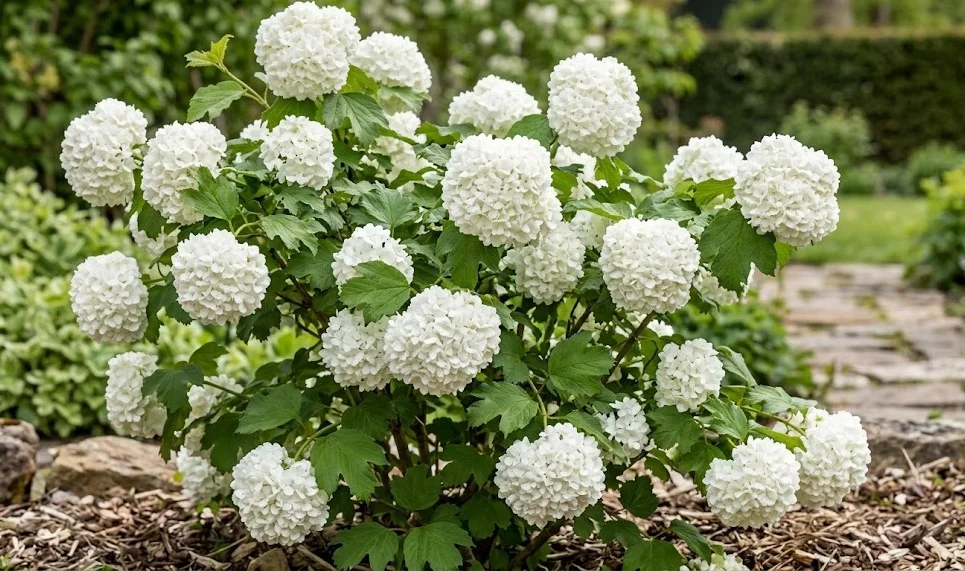

Starting a new journey with a snowball bush begins with a successful planting process that sets the stage for years of healthy growth. This popular ornamental shrub is relatively easy to establish if you pay close attention to the details of its initial placement and the quality of the soil. Whether you are adding a single specimen to your yard or planning a larger landscape feature, the steps you take now are crucial. Taking the time to do it right the first time will save you significant effort and disappointment in the future.
The best time to plant your new shrub is generally during the cooler months of early spring or autumn when the plant is not in its peak growing phase. Planting during these windows allows the root system to become acquainted with the new soil without the stress of intense summer heat. If you choose to plant in the spring, ensure that the ground has thawed and is workable before you begin digging your hole. Autumn planting is equally effective, as the soil is still warm from the summer, which encourages rapid root development before winter.
Choosing the right location involves more than just finding a spot that looks good from your window or patio. You must consider the long-term needs of the shrub, including its eventual height and the amount of sunlight it will receive throughout the day. While the snowball bush is quite adaptable, it truly thrives in a spot that offers a mix of sun and light afternoon shade. Avoid low-lying areas where cold air or water might settle, as these can create a difficult environment for a young plant to overcome.
Once you have selected the perfect site, you should prepare the area by removing any weeds or grass that might compete with your new shrub for resources. It is often helpful to mark out the intended planting area to get a sense of how the bush will fit into the existing landscape. A clean start is the first gift you can give to your plant, ensuring that it doesn’t have to fight for survival from day one. With a bit of planning and preparation, you will be ready to move on to the actual physical task of planting.
The planting process
The actual act of putting your snowball bush into the ground requires a hole that is significantly wider than the current root ball but no deeper. You want to create a space where the roots can easily spread out into the surrounding soil as they begin to grow. Digging a hole that is twice the width of the container provides a zone of loosened earth that is easy for new roots to penetrate. Always make sure the sides of the hole are not “glazed” or compacted, as this can trap the roots like they are in a pot.
More articles on this topic
Before placing the plant in the hole, you should carefully remove it from its nursery container and inspect the root system for any issues. If the roots are circling tightly around the root ball, gently tease them outward to encourage them to grow into the new soil. This simple step prevents the plant from becoming root-bound in its new home, which can lead to stunted growth over time. Handle the plant by the root ball rather than the stems to avoid damaging the delicate vascular system of the shrub.
Positioning the plant at the correct depth is perhaps the most critical part of the entire planting process for any woody shrub. You should ensure that the point where the stems meet the roots is level with the surface of the surrounding garden soil. Planting too deep can lead to stem rot, while planting too shallow can cause the roots to dry out too quickly in the wind and sun. Use a shovel handle laid across the hole as a level to make sure your plant is sitting at exactly the right height.
Once the plant is correctly positioned, fill the hole with a mixture of the native soil you removed and some high-quality organic compost. Firm the soil down gently with your hands as you go to remove any large air pockets that could cause the roots to dry out. Avoid stomping on the soil with your feet, as this can over-compact the earth and make it difficult for water and air to reach the roots. After filling the hole, create a small basin of soil around the base to help hold water during the initial irrigation.
Propagation through cuttings
If you already have a beautiful snowball bush and want to create more for your garden or to give to friends, cuttings are an excellent method. The most successful way to propagate this variety is by taking softwood cuttings in the early summer when the new growth is still flexible but starting to mature. You should look for healthy stems that do not have any flower buds on them, as the plant’s energy should be focused on root production. Use a clean, sharp pair of shears to make a clean cut that will heal quickly and reduce the risk of infection.
More articles on this topic
Each cutting should be about ten to fifteen centimeters long and have at least two or three sets of leaves along its length. Remove the lower leaves, leaving only the top pair to provide the cutting with energy through photosynthesis while it develops its new roots. Dipping the cut end into a rooting hormone powder or liquid can significantly increase your success rate, although it is not strictly necessary for this hardy species. Place the prepared cuttings into a pot filled with a well-draining, sterile potting mix that will keep them moist but not soggy.
Maintaining high humidity around the cuttings is essential to prevent them from drying out before they have a chance to form roots. You can create a simple mini-greenhouse by placing a clear plastic bag over the pot, supported by a few small sticks to keep the plastic away from the leaves. Keep the pot in a bright spot but out of direct sunlight, which could quickly overheat and kill the delicate stems inside the bag. Check the cuttings regularly to ensure the soil remains damp and to vent any excess moisture that might lead to mold.
Within six to eight weeks, you should start to see signs of new growth or feel some resistance when you gently tug on the cuttings, indicating that roots have formed. Once the roots are well-established, you can gradually move the young plants to larger pots and begin to harden them off to outdoor conditions. It is usually best to grow these new plants in a protected nursery area for their first year before planting them out in their permanent positions. Propagation is a wonderful way to expand your garden and share the beauty of this shrub with others.
Root division and layering
For older, well-established snowball bushes, root division can sometimes be a viable way to create new plants while also rejuvenating the parent shrub. This process is best performed in the early spring before the plant has fully leafed out, allowing you to see the structure of the root system clearly. You will need to dig up a portion of the outer root zone or, in some cases, the entire plant if it has become too large for its space. Use a sharp spade or garden saw to separate a healthy section of roots that has at least one or two strong stems attached.
Layering is another highly effective and very low-stress method of propagation that mimics how some plants naturally spread in the wild. You can choose a low-growing, flexible branch and gently bend it down until it touches the ground in a nearby spot. Make a small nick in the bark where the branch meets the soil and pin it down securely with a U-shaped garden stake or a heavy rock. Cover the wounded area with a few inches of moist soil and leave it undisturbed for a full growing season to allow roots to form at the contact point.
The main advantage of layering is that the “baby” plant remains attached to the parent and continues to receive water and nutrients while it grows its own roots. This makes it a very reliable method even for gardeners who might struggle with traditional cuttings that require more intensive monitoring. Once you are confident that the new root system is strong enough, you can simply snip the connecting branch and move the new plant to its desired location. It is a slow but very rewarding process that requires very little active maintenance on your part.
Both division and layering allow you to produce plants that are genetically identical to the original, ensuring you keep the same beautiful flower characteristics. When you move these new divisions, treat them with the same care as a newly purchased plant from a nursery, including proper hole preparation and consistent watering. These traditional techniques connect us to generations of gardeners who have passed on their favorite plants through simple, natural methods. Growing your own collection from a single original plant brings a special sense of satisfaction to the gardening experience.