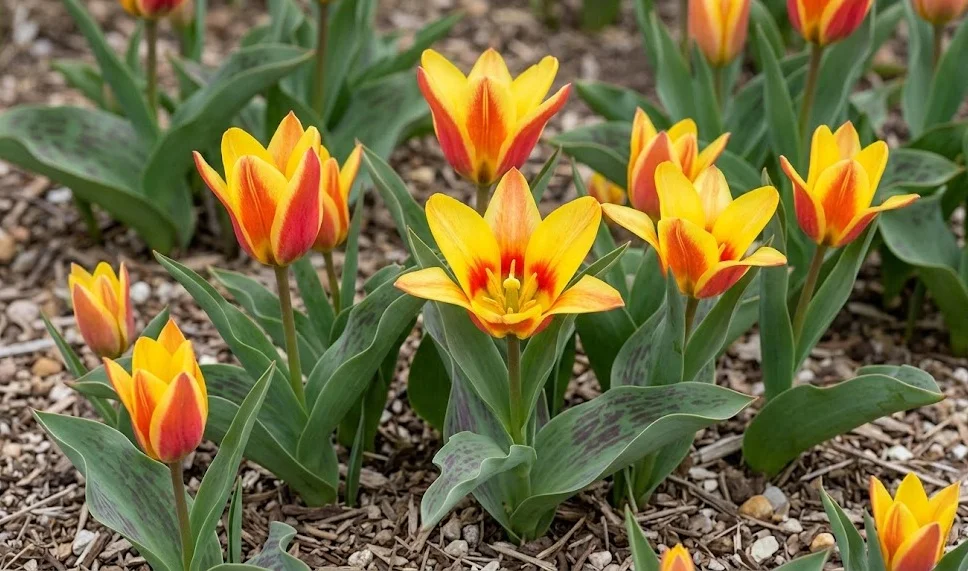

Proper hydration and nutrient management are the twin pillars of success when growing the kaufmann tulip in a professional garden setting. This species, adapted to the rugged climates of Central Asia, has specific physiological needs that differ from many common garden plants. You must balance the need for moisture during active growth with the absolute requirement for dry conditions during the summer dormancy. Furthermore, a strategic fertilization schedule ensures that the bulbs remain productive and vibrant for many years without exhausting the soil.
The watering cycle for kaufmann tulips begins the moment the first green tips emerge from the soil in late winter or early spring. During this period of rapid cell expansion, the plant requires consistent moisture to develop its broad leaves and flower stalks. However, the term “consistent” must be interpreted carefully; the soil should be damp but never saturated. Overwatering during the cool spring months can lead to fungal issues and root suffocation before the flowers even open.
Fertilization is equally nuanced, as these tulips are not heavy feeders but do benefit from specific mineral inputs at key times. You should focus on providing nutrients that support root strength and bulb longevity rather than just leafy growth. A high-phosphorus fertilizer applied at the correct stage can significantly improve the quality of the blooms and the health of the offsets. Understanding the chemical requirements of the tulip allows you to avoid the common mistake of over-applying nitrogen.
As the blooming season ends and the foliage begins to yellow, your approach to watering and fertilizing must change dramatically. This transition phase is when the bulb prepares for its long summer rest, and excess water or fertilizer can be detrimental. You must gradually reduce the frequency of irrigation and eventually stop all nutrient applications as the plant enters dormancy. Mastering this seasonal shift is the hallmark of a truly expert gardener who understands the natural rhythm of the kaufmann species.
Spring hydration strategies
During the active growth phase in early spring, the kaufmann tulip relies on soil moisture to transport nutrients from the bulb to the developing tissues. You should monitor the rainfall in your area and supplement with manual watering if the spring is unusually dry. Aim to keep the top ten centimeters of soil moist to the touch, which ensures that the shallow root system has constant access to water. If the foliage begins to look wilted during the day, it is a clear sign that the plant is under hydric stress.
More articles on this topic
When watering your tulips, you should always apply the water directly to the soil surface rather than overhead onto the leaves. Keeping the foliage dry reduces the risk of fungal diseases like Botrytis, which thrives in cool, damp environments. A long-handled watering wand or a drip irrigation system is ideal for delivering water precisely where it is needed at the base of the plant. Morning is the best time for irrigation, as it allows any accidental moisture on the leaves to evaporate during the day.
The texture of your soil will largely dictate how often you need to provide supplemental water to your tulips. Sandy soils will dry out much faster and may require more frequent, light applications to maintain the necessary moisture levels. In contrast, loamy soils hold moisture longer and may only need watering during extended dry spells in March and April. You should always check the soil’s moisture level before reaching for the hose to avoid the dangers of over-saturation.
As the flowers begin to open, you should be particularly vigilant about maintaining steady moisture levels to prolong the life of the blossoms. A sudden drought during the peak of the bloom can cause the petals to shrivel and drop prematurely. However, you must also be careful not to create a mud-like environment around the bulbs, which can happen if the drainage is poor. Striking the right balance between hydration and aeration is the key to a long-lasting and beautiful spring display.
Summer moisture and dormancy
The summer months represent a critical dormant period for kaufmann tulips, during which they must be kept as dry as possible. In their native mountain habitats, these tulips experience very little rainfall during the summer, and their bulbs are biologically programmed to expect this. You should avoid planting them near summer-blooming perennials that require heavy irrigation to stay lush and green. If the bulbs are subjected to constant moisture while dormant, they are highly likely to succumb to fungal rot or bacterial decay.
More articles on this topic
If your garden receives heavy summer rainfall, you may need to take proactive steps to protect your dormant tulip bulbs. Some professional gardeners choose to lift their bulbs and store them in a dry, ventilated area until autumn to ensure they stay dry. Alternatively, you can improve the drainage of your beds with extra grit or by creating raised planting areas to keep the bulbs above the water table. Protecting the bulbs from summer wetness is often the most challenging part of caring for this species in temperate climates.
The soil temperature during the summer also plays a role in how the bulb matures and prepares for the next season. You should allow the soil to warm up naturally, as this heat is part of the “ripening” process for many wild tulip species. Avoid using thick, moisture-retaining mulches like wood chips during the summer months, as these can trap humidity against the bulb. A bare or lightly gritted soil surface is much more conducive to a healthy dormancy for the kaufmann tulip.
If you observe any green weeds growing over the dormant tulip bed, you should remove them promptly to prevent them from drawing unnecessary moisture to the site. However, be careful not to disturb the soil too deeply, as you might accidentally damage the resting bulbs. A clean, dry, and undisturbed site is the ideal summer home for your kaufmann tulip collection. By respecting the plant’s need for a dry rest, you ensure its survival and vigorous return in the following spring.
Essential macronutrients for bulb health
To grow truly exceptional kaufmann tulips, you must provide a balanced diet of macronutrients, with a particular emphasis on phosphorus and potassium. Phosphorus is essential for the development of a strong, expansive root system that can anchor the plant and absorb moisture efficiently. Potassium helps the plant regulate its water usage and improves its overall resistance to diseases and environmental stress. Nitrogen should be used sparingly, as too much can lead to weak, floppy growth and a higher susceptibility to pests.
The best way to deliver these nutrients is through a slow-release organic fertilizer that mimics the natural breakdown of minerals in the soil. Bone meal is a traditional and highly effective source of phosphorus that is favored by many professional tulip growers. You should incorporate it into the soil at the time of planting or apply it as a top-dressing in the late autumn. This allows the minerals to slowly filter down to the root zone where they can be utilized during the winter and early spring.
Potassium can be provided through the application of wood ash or a specialized sulfate of potash fertilizer during the late winter. You should apply these nutrients just as the first signs of growth appear to ensure they are available during the peak demand phase. A well-nourished plant will display more intense petal colors and will be more likely to produce healthy offsets for propagation. Proper nutrient management is an investment in the future health and beauty of your garden.
You should always follow the manufacturer’s instructions for application rates to avoid the risk of nutrient toxicity or salt buildup in the soil. More is not always better when it comes to fertilizing tulips, as they are adapted to relatively lean soils in the wild. If you notice the leaf tips turning brown or curling, it could be a sign of fertilizer burn caused by an over-application. Maintaining a moderate and consistent nutrient profile is the most professional approach to tulip fertilization.
Timing of fertilizer application
The timing of your fertilizer applications is just as important as the type of nutrients you choose to provide. You should aim for two primary application windows: late autumn for root support and early spring for foliar and floral development. The autumn application allows the bulbs to store essential minerals during their winter metabolic processes. This ensures that they have a full “battery” of energy ready to go the moment the ground begins to thaw in the spring.
The second application should occur just as the green shoots emerge, providing a boost for the rapid growth that happens in March. You should use a fast-acting liquid fertilizer if you notice that the plants are struggling or if the soil is particularly nutrient-poor. However, for most established gardens, a granular slow-release product applied in late winter is sufficient. Avoid fertilizing while the flowers are in full bloom, as this can sometimes shorten the lifespan of the petals.
Once the flowers have faded and you have deadheaded the plants, you may consider a final, light application of a potassium-rich fertilizer. This helps the plant focus its remaining energy on rebuilding the bulb and producing offsets before the foliage dies back. You must complete this task while the leaves are still green and actively photosynthesizing to be effective. Once the leaves turn yellow, the plant’s ability to take up and process nutrients drops off significantly.
Never apply fertilizer to dormant tulip beds during the heat of the summer, as the plants cannot use the nutrients and they may leach away. Furthermore, applying fertilizer too late in the spring can encourage late-season growth that interferes with the natural dormancy process. A disciplined schedule that aligns with the plant’s natural growth stages is the key to professional-grade results. Consistency and timing are what separate the expert gardener from the casual hobbyist.
Improving soil structure for nutrient uptake
No amount of fertilizer will help your kaufmann tulips if the soil structure prevents the roots from accessing those nutrients. You must ensure that the soil is aerated and loose enough to allow the free movement of water and dissolved minerals. Incorporating well-rotted organic matter like leaf mold can significantly improve the cation exchange capacity of the soil. This measurement indicates how well the soil can hold onto nutrients and release them to the plant roots.
In areas with sandy soil, you may need to add organic components more frequently to help the soil retain both moisture and nutrients. Sand is excellent for drainage but poor at holding onto the minerals that tulips need for long-term health. Adding a layer of high-quality compost every few years can help build a more robust soil profile that supports a thriving tulip colony. A healthy soil structure acts as a buffer against both drought and nutrient deficiency.
If you are dealing with heavy clay, your primary goal is to prevent the soil from becoming a compacted, anaerobic mass during the winter. You should use grit, sharp sand, and organic amendments to create a more porous structure that allows roots to breathe. Oxygen is a vital “nutrient” for root health that is often overlooked in traditional fertilization programs. A well-structured soil ensures that every drop of water and every grain of fertilizer is used to its maximum potential.
Finally, you should monitor the soil for signs of salt buildup, which can occur if you rely solely on synthetic mineral fertilizers. You can flush the soil with pure water occasionally or incorporate more organic practices to maintain a healthy biological balance. A living soil, rich in beneficial microbes and fungi, is the best environment for any wild tulip species. By focusing on the health of the soil as a whole, you create a sustainable foundation for your kaufmann tulip display.