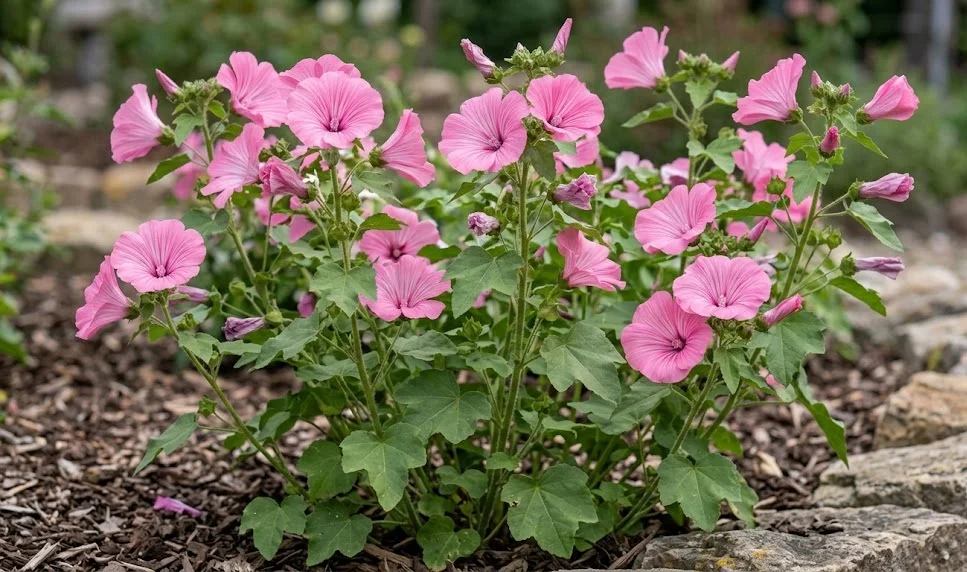

Maintaining the health and vibrancy of the rose mallow requires a dedicated approach that respects its natural growth cycles. This annual plant is prized for its large, trumpet-shaped blooms that can transform any garden space into a floral masterpiece during the summer months. Successful cultivation starts with understanding that while these plants are relatively hardy, they respond exceptionally well to consistent attention. You must focus on creating a balanced environment where the plant can thrive without unnecessary stress from the surrounding elements.
General maintenance principles for vibrant blooms
The primary goal of caring for this species is to ensure a continuous display of flowers from early summer until the first frosts. You should regularly monitor the foliage for any signs of discoloration or wilting, as these are the first indicators of environmental stress. Consistent observation allows for early intervention, which is much more effective than trying to revive a struggling plant later. Developing a routine for garden walkthroughs will help you stay ahead of any potential issues that might arise during the peak growing season.
Air circulation is another critical factor that often gets overlooked in busy garden beds where multiple species compete for space. You need to ensure that the surrounding plants do not crowd the rose mallow, as restricted airflow can lead to humidity buildup around the stems. This spacing is vital for keeping the leaves dry and reducing the risk of fungal infections that often plague mallows. If the canopy becomes too dense, you might consider thinning out some of the internal branches to promote a healthier internal microclimate.
Soil condition remains the foundation of all care activities, requiring a structure that is neither too compact nor too sandy. You will find that adding organic matter periodically helps maintain the soil’s ability to retain moisture while allowing excess water to drain away freely. A well-prepared bed provides the root system with the oxygen and nutrients necessary for supporting the heavy weight of the blossoms. Regularly checking the soil pH can also ensure that the plant is able to uptake all the minerals you provide through fertilization.
Seasonal adjustments are necessary as the weather shifts from the moderate spring temperatures to the intense heat of midsummer. You must adapt your care routine to match the evaporation rates and the increasing metabolic demands of the plant as it reaches maturity. Providing light mulch around the base can help regulate soil temperature and keep the roots cool during the hottest parts of the day. This proactive layer of protection acts as a buffer against the fluctuating environmental conditions often experienced in open garden sites.
More articles on this topic
Optimizing the growing environment
The selection of the right site is the first step in a professional care plan, focusing on wind protection and light availability. You should choose a location that offers shelter from strong gusts that could snap the hollow stems of the taller varieties. Even though the plant is sturdy, the sheer volume of flowers creates significant wind resistance that can lead to physical damage. Placing them near a fence or a sturdy hedge can provide the necessary structural support without sacrificing sunlight.
Temperature stability plays a significant role in how quickly the rose mallow develops its first set of flower buds. You will notice that growth tends to accelerate once the night temperatures stay consistently above a certain threshold in late spring. Protecting young plants from late cold snaps is essential if you want to avoid stunted growth or foliage damage. Using temporary row covers or cloches can be a lifesaver during those unpredictable weeks when the seasons are transitioning.
Companion planting can be used to enhance the health of your mallow while creating a more diverse ecosystem in your garden. You can pair it with lower-growing perennials that do not compete for the same root space or light levels. These companions can help shade the soil and attract beneficial insects that might help manage common garden pests naturally. Careful selection of neighbors ensures that every plant in the bed has the resources it needs to flourish throughout the year.
Long-term soil health is managed through the avoidance of chemical buildup and the promotion of biological activity within the substrate. You should encourage the presence of earthworms and beneficial microbes by using natural soil conditioners instead of harsh synthetic alternatives. These organisms work to break down organic matter into a form that the rose mallow can easily absorb through its fine root hairs. A living soil is much more resilient and provides a more stable foundation for heavy-blooming annuals.
More articles on this topic
Structural support for tall varieties
As the rose mallow grows, the weight of its large flowers can cause the stems to lean or even break during heavy rain. You should consider installing support systems early in the season before the plant reaches its full height. Inserting bamboo stakes or metal hoops allows the plant to grow into the support, making it look much more natural than tieing it up later. This proactive approach prevents the roots from being disturbed by the late insertion of stakes into the ground.
Choosing the right tying material is just as important as the stakes themselves to avoid damaging the soft plant tissue. You should use soft garden twine or flexible rubber ties that expand as the stem diameter increases during the summer. Avoid using thin wires or tight plastic cords that can cut into the bark and restrict the flow of nutrients to the upper leaves. Checking the ties every few weeks ensures that they remain secure but not overly restrictive as the plant matures.
In larger garden borders, you can use the “Chelsea Chop” technique or similar thinning methods to encourage a bushier growth habit. By removing the growing tips of the main stems in late spring, you force the plant to produce more lateral branches. This results in a shorter, sturdier plant that is less likely to flop over and often produces a higher volume of smaller flowers. You can tailor this technique to your specific aesthetic goals and the amount of space available in your landscape.
Natural supports can also be integrated by planting the mallows among stiff-stemmed shrubs or sturdy perennial grasses. These neighbors act as a living framework that the mallow can lean against as it reaches for the sun. This method is often preferred in cottage-style gardens where a more relaxed and informal appearance is desired. It reduces the need for visible man-made structures and creates a more integrated look within the planting scheme.
Monitoring growth and development
Regular inspection of the terminal buds will give you an idea of when the main flowering period is about to begin. You should look for healthy, green bud scales and the absence of any distorted growth that might indicate nutritional deficiencies. If the buds appear stunted or drop off prematurely, it is usually a sign that the plant is not receiving enough water or light. Keeping a garden journal can help you track these developments and predict future blooming cycles more accurately.
The color of the leaves is a direct reflection of the plant’s internal health and its ability to photosynthesize effectively. You want to see a deep, consistent green across the entire leaf surface, without any yellowing between the veins. If the lower leaves start to turn yellow and drop, it may be a natural part of the aging process or a sign of nitrogen depletion. Addressing these visual cues immediately prevents the plant from diverting too much energy away from flower production.
Stem strength is another indicator of a well-cared-for rose mallow that is receiving the correct balance of nutrients. You can test this by gently shaking the main stem to see how much flexibility it has and how quickly it returns to center. A plant that feels too soft or rubbery might be receiving too much nitrogen or not enough direct sunlight. Professional gardeners aim for a balance where the stems are firm enough to stand tall but flexible enough to withstand wind.
The root zone should be checked occasionally by gently brushing away a bit of the surface soil to see the root development. You are looking for white, vigorous roots that are spreading outward into the surrounding soil rather than circling the base. If the roots appear brown or mushy, it is a clear indication that the soil is staying too wet for too long. Healthy roots are the engine of the plant and must be protected from physical damage and poor drainage at all costs.
Enhancing floral performance
Deadheading is the most effective way to extend the flowering season of your rose mallow well into the late summer. You should remove the faded flowers before they have a chance to develop seed pods, which signals the plant to stop blooming. This practice redirects the energy that would have been used for seed production back into the development of new flower buds. It also keeps the plant looking tidy and prevents the unsightly appearance of rotting petals on the foliage.
The timing of deadheading should be a daily or at least a weekly task during the peak of the flowering season. You should cut the flower stem back to the first set of healthy leaves or a new bud to encourage further branching. Using sharp, clean snips ensures that you make a clean cut that heals quickly without inviting pathogens. This simple task is often the difference between a plant that stops blooming in August and one that continues until October.
Foliar feeding can be used as a supplemental boost during the height of the blooming period to provide immediate nutrition. You can spray a diluted liquid fertilizer directly onto the leaves in the early morning or late evening to avoid leaf burn. This method allows the plant to absorb micronutrients more quickly than through the root system alone, especially during dry spells. However, this should only be an addition to a solid base of soil-applied fertilizers and organic matter.
Late-season care involves deciding whether to let some flowers go to seed for the purpose of naturalizing or collecting for next year. If you want the plant to stop producing flowers and focus on its final lifecycle stage, you can cease the deadheading process in early autumn. This allows the plant to produce attractive seed heads that can provide visual interest in the garden as the temperatures drop. Managing this transition carefully ensures that you get the most out of the plant before the winter takes hold.
Protecting against environmental extremes
Heatwaves can be particularly taxing on the large leaves of the rose mallow, which lose moisture rapidly through transpiration. You should consider providing temporary shade during the peak afternoon sun if the temperatures exceed the plant’s normal tolerance levels. Placing a simple shade cloth over the area can reduce the internal temperature of the leaves and prevent scorching. Ensuring the soil is thoroughly hydrated before a heatwave arrives is the best defense against wilting and tissue damage.
Heavy rain and thunderstorms pose a physical threat to the delicate petals and the heavy flower heads. You should check the drainage after a significant downpour to ensure that water is not pooling around the base of the plant for extended periods. If the flowers become saturated and start to droop, you may need to gently shake them to remove excess weight. Quick action after a storm can prevent the development of botrytis or other moisture-related diseases that thrive on wet petals.
Mulching is a professional technique that serves multiple purposes in the protection of the rose mallow’s root system. You should apply a layer of bark, straw, or compost around the base to insulate the soil and maintain a consistent moisture level. This layer also prevents soil from splashing onto the lower leaves during rain, which is a common pathway for soil-borne diseases. A well-maintained mulch layer reduces the need for frequent weeding and keeps the garden looking professionally managed.
Soil compaction can occur over time due to foot traffic or heavy rain, restricting the movement of air and water to the roots. You should avoid walking directly on the soil near the base of your mallows to keep the structure open and friable. If the soil becomes hard and crusted, you can use a hand fork to gently aerate the surface without disturbing the shallow roots. Maintaining an open soil structure is essential for the long-term vigor of the plant throughout the entire growing season.
Seasonal transition and cleanup
As the first frost approaches, you will see a noticeable change in the appearance and vigor of the rose mallow. You should continue to provide basic care until the foliage starts to yellow and die back naturally, indicating the end of its cycle. This period is the time to start planning for the cleanup process and deciding how much of the plant material to leave for wildlife. Many gardeners choose to leave the stems standing through the winter to provide habitat for beneficial insects.
Removing the spent plant material at the end of the season is important for maintaining garden hygiene and reducing pest carryover. You should cut the stems down to the ground level and compost any healthy tissue while discarding any diseased parts. This cleanup prevents fungal spores from overwintering in the debris and attacking your new plantings in the spring. A clean garden bed is much easier to prepare for the following year’s horticultural projects and displays.
Evaluating the success of the current year’s care routine is the final step for a professional gardener. You should take note of which varieties performed best and which areas of the garden provided the most favorable conditions. This information is invaluable when deciding on your planting plan for the next season and allows for continuous improvement. Learning from each growing cycle is what transforms a casual gardener into a true expert in the field.
Preparing the site for the next season involves enriching the soil with fresh organic matter after the old plants are removed. You should dig in some well-rotted manure or compost to replenish the nutrients that were used up during the heavy flowering period. This ensures that the soil is ready for the next crop and maintains its fertility over the long term. Taking care of the earth after the plants are gone is just as important as caring for the plants themselves.