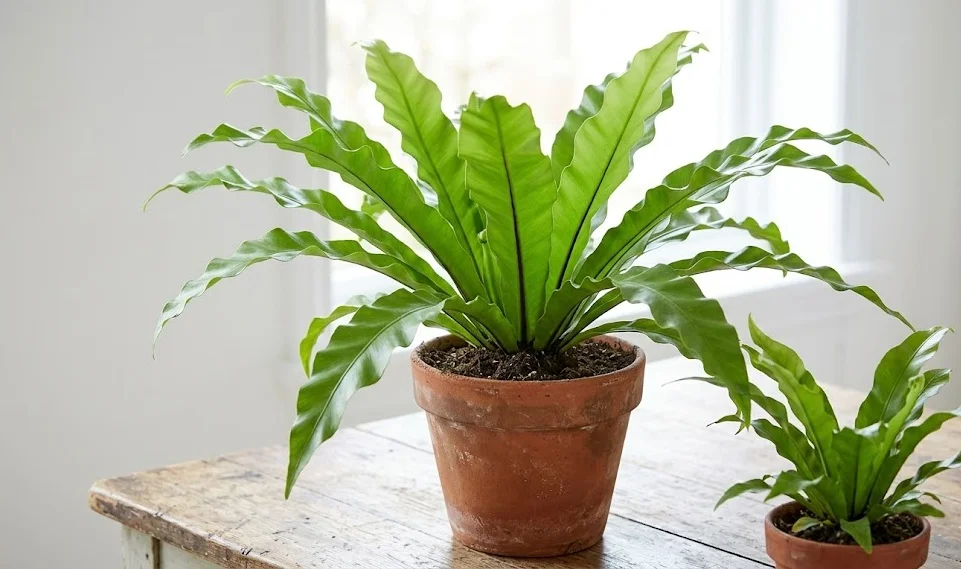

The bird’s-nest fern is a truly remarkable epiphytic plant that originates from the warm and humid tropical regions of Southeast Asia and Polynesia. Growing naturally on the trunks of trees, this fern has developed a unique growth habit where its fronds form a central rosette resembling a nest. In a domestic environment, recreating this tropical sanctuary requires a deep understanding of the plant’s biological needs and environmental preferences. By observing the natural architecture of the plant, we can learn how to provide the best possible conditions for its long-term survival and health.
Understanding the natural habitat and growth patterns
The evolution of this fern in the rainforest canopy has dictated its specific requirements for filtered light and high moisture levels. In the wild, the central “nest” serves a vital ecological purpose by collecting falling leaves, organic debris, and rainwater for the plant’s nourishment. When we bring this species into our homes, we must remember that it is not a typical terrestrial plant and prefers a very airy environment. Providing a stable foundation that mimics these arboreal conditions is the first step toward achieving a lush and vibrant specimen.
As the plant matures, the fronds can reach impressive lengths, often spanning several feet in their natural environment or large conservatories. The texture of the leaves is somewhat leathery, which helps the plant retain moisture better than many other more delicate fern species. However, this robustness should not lead to complacency regarding its care, as the plant remains sensitive to sudden changes. Watching the new fronds emerge from the center is a rewarding experience that indicates the plant feels secure in its surroundings.
The root system of an epiphyte is designed more for anchorage than for deep soil penetration, which influences how we should choose containers. Instead of deep pots, wider and shallower vessels often provide a better environment for the roots to breathe and expand naturally. This physical structure allows the plant to stay upright while the fronds fan out to capture every bit of available light. Maintaining this balance between physical stability and air circulation is crucial for preventing root suffocation in a domestic setting.
Indoor gardeners often find that the bird’s-nest fern is more forgiving than many other ferns, yet it still demands consistency. It does not react well to being moved frequently, so finding a permanent spot with the right microclimate is highly recommended. The plant will slowly adapt to the specific light and humidity levels of a room over several weeks. Once established, it becomes a stunning focal point that adds a prehistoric and architectural feel to any interior gardening collection.
More articles on this topic
Creating the ideal indoor microclimate
Temperature stability is one of the most important factors for maintaining a healthy bird’s-nest fern throughout the calendar year. These plants thrive in temperatures between eighteen and twenty-four degrees Celsius, which aligns perfectly with most modern living spaces. It is vital to avoid placing the plant near cold drafts from windows or direct heat from radiators during the winter months. Sudden fluctuations in temperature can cause the fronds to turn brown or drop prematurely, signaling significant environmental stress.
Humidity is perhaps the greatest challenge for indoor growers, as modern heating systems tend to dry out the air significantly. Since the fern naturally grows in the humid tropics, it requires an ambient humidity level of at least sixty percent to remain healthy. You can achieve this by using a dedicated humidifier or by placing the pot on a tray filled with pebbles and water. Grouping several plants together can also create a localized humid zone that benefits all the species in the immediate vicinity.
Air circulation is another critical component that is often overlooked by novice gardeners who focus solely on temperature and water. While the plant loves humidity, stagnant air can lead to fungal issues and the development of unwanted pathogens on the leaves. A gentle movement of air helps prevent moisture from sitting too long in the central rosette, which could cause rot. Ensure that the room has adequate ventilation without subjecting the fern to harsh winds or constant mechanical breezes from fans.
Monitoring the environment with a digital hygrometer and thermometer can provide valuable data for a serious plant enthusiast. By keeping track of these variables, you can make informed adjustments before the plant shows visible signs of distress. If the air becomes too dry, the edges of the fronds will likely become crisp and brittle, indicating a need for intervention. Consistent environmental management is the secret to keeping the foliage looking deep green and glossy all year round.
More articles on this topic
Maintaining the health and beauty of the foliage
The leaves of the bird’s-nest fern act as its primary sensory organ and energy production factory, requiring regular attention to stay functional. Over time, dust can accumulate on the surface of the fronds, blocking the pores and reducing the efficiency of photosynthesis. Using a soft, damp cloth to gently wipe the leaves will keep them clean and allow the plant to breathe properly. This simple maintenance task also provides an excellent opportunity to inspect the plant for any signs of hidden pests.
Avoid using commercial leaf shine products, as the chemicals contained in these sprays can clog the delicate stomata of the fern. The natural waxy coating of the fronds provides enough of a healthy sheen when the plant is properly hydrated and nourished. If the leaves appear dull, it is usually a sign of low humidity or nutritional deficiency rather than a lack of external polish. Natural water and a gentle touch are always the best tools for cleaning these sensitive tropical organisms.
The central core of the plant, often referred to as the “nest,” is the most sensitive area and should be handled with extreme care. Never push down on the emerging fronds or disturb the fuzzy brown center, as this is where all new growth originates. Damage to the crown can permanently stunt the plant’s development or lead to a lopsided growth habit that is difficult to correct. Keeping this area free of debris while avoiding direct contact is the best strategy for long-term structural integrity.
As the plant grows, older fronds at the base of the rosette will naturally turn yellow and eventually brown as they age. This is a normal biological process and should not be a cause for immediate alarm for the gardener. You can carefully remove these spent leaves at the base to keep the plant looking tidy and to improve air circulation. Removing old material also redirects the plant’s energy toward the production of vibrant new fronds from the center.
Optimal soil composition and drainage requirements
Selecting the right potting medium is essential because the bird’s-nest fern requires a delicate balance of moisture retention and aeration. A standard potting soil is often too heavy and dense, which can lead to compacted roots and waterlogged conditions. Instead, look for a mixture specifically formulated for epiphytes, often containing orchid bark, perlite, and high-quality peat moss. This combination allows excess water to flow through freely while keeping the roots slightly damp and well-oxygenated.
The physical structure of the soil should remain stable over time and not break down into a fine silt that suffocates the plant. Including larger pieces of bark or charcoal can help maintain the necessary air pockets within the root zone. When the medium begins to decompose and lose its structure, it is usually time to refresh the soil to prevent health decline. A healthy soil environment promotes strong root development, which is the foundation for the impressive top growth we admire.
Drainage is not just about the soil mixture but also about the design and material of the pot itself. Every container used for this fern must have adequate drainage holes at the bottom to prevent water from pooling at the base. Terracotta pots can be beneficial for those who tend to overwater, as the porous material allows for better gas exchange. Plastic or glazed ceramic pots are also suitable, provided the watering schedule is adjusted to account for their higher moisture retention.
Understanding the pH levels of the substrate can further enhance the growth of your bird’s-nest fern in a professional manner. These ferns generally prefer a slightly acidic environment, typically with a pH level between 5.5 and 6.5 for optimal nutrient uptake. You can monitor this with simple soil testing kits available at most gardening centers or agricultural suppliers. If the soil becomes too alkaline, the plant may struggle to process essential minerals, leading to chlorosis or yellowing of the fronds.
Monitoring growth and development cycles
The growth rate of a bird’s-nest fern is generally moderate, depending on the intensity of the light and the consistency of its care. During the spring and summer months, you should notice several new fronds uncurling from the center in a spiral fashion. This stage of growth is particularly beautiful and signifies that the plant is receiving adequate resources for expansion. It is important to maintain consistent conditions during this active period to ensure the new leaves develop without deformities.
In the autumn and winter, the plant’s metabolic processes naturally slow down in response to the shorter daylight hours. Growth may stop entirely for a few months, which is a normal part of the plant’s annual cycle and should be respected. During this time, the fern requires less frequent intervention and fewer resources to maintain its existing biomass. Pushing the plant to grow with excessive heat or fertilizer during dormancy can lead to weak and spindly growth.
The size of the rosette provides a clear indication of the plant’s overall maturity and health status over the years. A healthy specimen will produce fronds that are progressively larger or at least consistent in size with the previous generation. If the new fronds are significantly smaller or thinner than the older ones, it may indicate a lack of light or nutrients. Keeping a simple gardening journal can help you track these changes and identify long-term trends in the plant’s development.
The root system should also be checked periodically to ensure it has not become completely bound by the dimensions of the pot. While these ferns don’t mind a somewhat snug environment, complete root congestion can limit the plant’s ability to take up water. If you see roots growing out of the drainage holes or the water runs straight through without being absorbed, it is likely time for a move. Observing these subtle physical cues is part of the professional approach to high-level indoor horticulture.
Avoiding common environmental stressors
One of the most frequent mistakes made by indoor gardeners is placing the bird’s-nest fern in a location with direct sunlight. The intense rays of the sun can quickly scorch the leaves, leaving permanent brown patches or bleached areas on the foliage. This damage is irreversible and can significantly weaken the plant’s ability to produce energy through photosynthesis. Always ensure that the light reaching the plant is bright but strictly indirect, perhaps filtered through a sheer curtain.
Low humidity is a silent killer for many tropical ferns and can cause a slow decline that is often misdiagnosed as a watering issue. If the air is constantly dry, the plant will transpire moisture faster than the roots can replace it, leading to wilting. This type of stress often manifests as crispy leaf tips that gradually move inward toward the center of the plant. Maintaining a localized humid environment is the most effective way to protect the plant from this common household stressor.
Mechanical damage is another factor to consider when choosing a location for your fern in a high-traffic area of the home. The fronds are relatively brittle and can easily snap or bruise if people or pets frequently brush against them. Once a frond is damaged, it will remain unsightly until it is eventually replaced by new growth from the center. Placing the plant on a pedestal or a stable shelf can protect the delicate architectural form from accidental physical contact.
Chemical stress can occur from the use of tap water that contains high levels of chlorine, fluoride, or dissolved mineral salts. Over time, these substances can build up in the soil and the plant’s tissues, leading to toxic effects that inhibit growth. Using filtered water, rainwater, or allowing tap water to sit out for twenty-four hours can help mitigate these risks. Providing the purest possible water source will result in a much healthier and more resilient bird’s-nest fern.
Long-term strategies for success and longevity
The key to a thriving bird’s-nest fern lies in the grower’s ability to practice patience and careful observation over many years. This is not a “set and forget” plant, but rather one that rewards consistent and attentive care with spectacular visual results. By learning the subtle language of the plant, you can anticipate its needs and prevent problems before they become serious. Each new frond is a testament to the quality of the environment you have carefully curated for your tropical guest.
Professional gardeners understand that even small adjustments can have a profound impact on the long-term health of a specimen. Moving the plant just a few inches away from a window or slightly increasing the humidity can be the difference between survival and true success. Don’t be afraid to experiment gently within the established parameters of care to find the “sweet spot” in your home. Every house has its own unique microclimate, and the fern will eventually find its place within that ecosystem.
As your knowledge grows, you might consider expanding your collection or sharing your experiences with other gardening enthusiasts. The bird’s-nest fern is a fantastic subject for study because it demonstrates so many interesting biological adaptations and growth strategies. Engaging with the wider horticultural community can provide fresh perspectives and troubleshooting tips that you may not have considered. A lifelong passion for plants often starts with the successful cultivation of a single challenging but beautiful species.
In conclusion, the bird’s-nest fern is a magnificent plant that offers a unique connection to the ancient tropical forests of our world. Its care is a blend of science, intuition, and discipline that can be mastered by anyone willing to put in the effort. By following professional guidelines and respecting the plant’s natural origins, you will enjoy its lush green presence for many years. May your journey with this extraordinary fern be filled with growth, learning, and the quiet satisfaction of a garden well-tended.