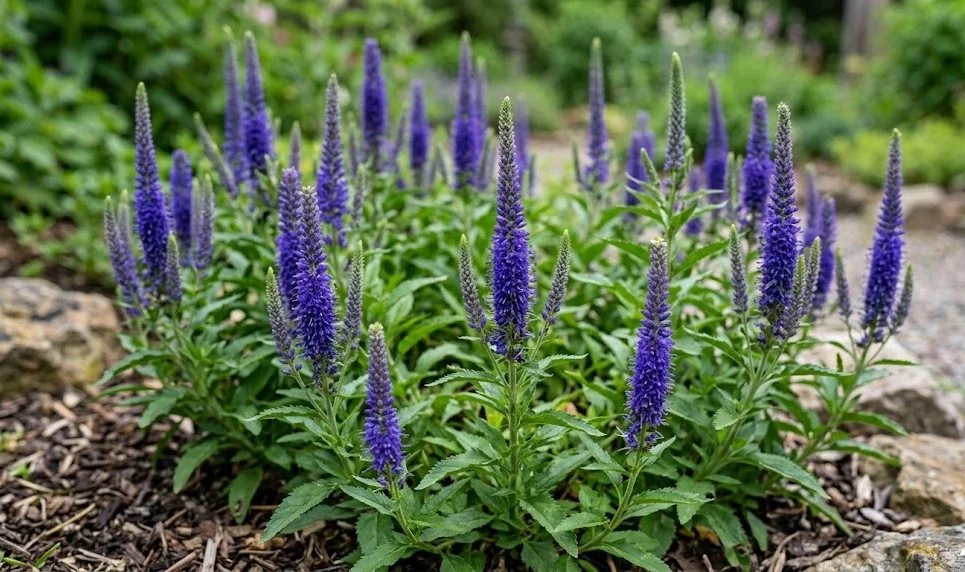

Preparing spiked speedwell for the cold winter months is an essential task that ensures the perennial returns with vigor and beauty when the spring arrives. While these plants are naturally hardy in many temperate climates, they still benefit from a few protective measures to survive extreme frost or fluctuating temperatures. You should focus on protecting the crown and the root system, as these are the parts of the plant that remain alive during the dormant period. A professional overwintering strategy involves a combination of careful pruning, mulching, and environmental monitoring throughout the late autumn season.
The process of overwintering begins in late autumn when the first frost causes the foliage of the spiked speedwell to turn yellow or brown and eventually die back. This is a natural signal that the plant is moving its energy from the leaves down into the roots for storage during the winter. You should wait until the foliage has completely withered before performing any major cleanup to allow the plant to finish this important energy transfer. A patient approach to the end-of-season maintenance ensures that the roots have maximum reserves to survive the long cold months ahead.
In addition to physical protection, you must also consider the moisture levels in the soil during the winter to prevent the roots from becoming either too dry or too wet. Frozen ground can actually be very dehydrating for plants, especially if there is a lot of wind and very little snow cover to act as insulation. Conversely, soil that remains waterlogged during winter thaws can cause the roots to rot and the crown of the plant to fail before the spring. Finding the right balance of drainage and protection is the secret to successful overwintering for all your perennial garden favorites.
By taking the time to prepare your plants correctly, you reduce the risk of winter kill and ensure a much faster and more robust start for the next growing season. You will find that a well-protected spiked speedwell will emerge from dormancy with healthy new shoots as soon as the soil begins to warm in the spring. This continuity of growth is what makes perennials so valuable and rewarding for any professional or amateur gardener to cultivate. With a little bit of extra effort in the fall, you can enjoy the reliable return of your favorite flowers year after year.
Late autumn preparation steps
As the days grow shorter and the temperatures begin to drop in late autumn, you should begin the formal process of preparing your garden for the coming winter. This starts with a thorough cleaning of the area around your spiked speedwell to remove any debris that might harbor pests or fungal spores. You should cut back the dead stems to about two or three inches above the soil line once the foliage has turned completely brown and brittle. This cleanup not only makes the garden look professional during the winter but also prevents diseases from lingering in the old plant material.
More articles on this topic
Late autumn is also the perfect time to give your plants one final deep watering if the season has been particularly dry before the ground freezes solid. You want the roots to have plenty of moisture available as they enter dormancy, as this helps them withstand the drying effects of the cold winter winds. However, you should avoid any further fertilization at this stage of the year, as you do not want to encourage any new growth that will be killed by the frost. The goal of autumn preparation is to help the plant settle into a deep and stable state of rest for the winter.
You might also want to take this opportunity to mark the locations of your perennials with small stakes or garden labels so you don’t accidentally step on them during the winter. Many plants disappear completely from the surface of the soil during their dormant phase, making it easy to forget exactly where they are located in the garden beds. This simple organizational step is a mark of a professional gardener who plans ahead for the busy spring planting season. Knowing exactly where each plant is will make your early spring maintenance tasks much faster and more efficient when the time comes.
If you have newly planted spiked speedwell that went into the ground late in the season, they will require a little extra attention during these final preparation steps. These young plants have not yet had time to develop the deep root systems of more established specimens and are more vulnerable to the effects of frost heaving. You should be especially careful to provide them with adequate moisture and a thick layer of protective mulch to ensure their survival through their first winter. Extra care during the first year is a professional investment that ensures the long-term success of your new garden additions.
Insulation and protective mulching
Mulching is one of the most effective ways to insulate the soil and protect the delicate crown of the spiked speedwell from extreme temperature fluctuations during the winter. You should apply a layer of organic mulch, such as shredded bark, straw, or pine needles, about three to four inches deep over the planting area. This layer acts like a thermal blanket, keeping the soil temperature more stable and preventing the ground from rapidly freezing and thawing. This stability is critical for preventing “frost heaving,” which can push the roots of the plant out of the soil and expose them to the freezing air.
More articles on this topic
The timing of your mulch application is important; you should wait until the ground has started to cool down but before the first deep freeze occurs in your region. Applying mulch too early in the autumn can trap heat in the soil and potentially delay the plant’s entry into dormancy, making it more susceptible to late-season frost damage. You want the plant to be fully asleep before you tuck it in for the winter with its protective layer of insulation. A professional gardener understands that the rhythm of the seasons determines the best time for every task in the garden.
When applying mulch around your perennials, be careful not to pile it directly against the stems or the very center of the crown, as this can sometimes lead to rot during wet winter thaws. Instead, create a slight “donut” shape with the mulch, leaving a small amount of space for air to circulate around the very center of the plant. This technique provides the necessary protection for the roots while still allowing the crown to breathe and remain dry during periods of rain or melting snow. Proper mulching is a balance between providing warmth and ensuring adequate ventilation for the dormant plant parts.
In regions with extremely cold winters and very little natural snow cover, you might consider using extra layers of protection like evergreen boughs or specialized garden fleece. These materials provide an additional barrier against the wind and help to catch any falling snow, which is one of nature’s best and most effective insulators for the garden. You can remove these extra layers in the early spring as soon as the danger of the deepest frosts has passed and the new growth begins to show. Using every tool at your disposal to protect your plants is the hallmark of a dedicated and professional approach to overwintering.
Caring for container specimens
If you are growing spiked speedwell in pots or containers, they will require a different overwintering strategy than those planted directly in the garden soil. Container plants are much more vulnerable to the cold because their roots are not insulated by the large mass of the earth and are exposed to the air on all sides. You should never leave your pots completely unprotected on a patio or deck if you live in a region where the ground freezes regularly during the winter. Taking the time to protect your container-grown perennials is essential for their survival and continued health into the next year.
One of the best professional methods for overwintering container plants is to move them to a sheltered location, such as an unheated garage, a shed, or a protected corner of the garden. You want a spot that remains cold enough to keep the plant dormant but provides protection from the harshest winds and the most extreme freezing temperatures. If you leave the pots outdoors, you can group them together and wrap the entire collection in burlap or bubble wrap to create a shared thermal environment. This collective insulation helps maintain a more stable temperature for all the plants in the group throughout the winter.
Watering is still important for container-grown spiked speedwell during the winter, although the frequency will be much lower than during the active summer growing season. You should check the moisture level of the potting soil once every few weeks and provide a small amount of water if it feels completely dry to the touch. The goal is to keep the roots from dehydrating without making the soil so wet that it freezes into a solid block of ice that could damage the container. Monitoring the moisture levels in your pots is a critical part of professional winter care for any container garden.
As the spring approaches and the temperatures start to rise, you should gradually move your container plants back to their summer locations and begin to increase their watering. This transition should be done slowly to avoid shocking the plants with sudden changes in light or temperature as they wake up from their winter sleep. You will soon see the first green shoots emerging from the soil, signaling that your overwintering efforts were successful and the new season has begun. Professional care for container plants requires a bit more effort, but the beautiful results in the spring are well worth the extra attention.
Monitoring during the dormant period
Even though your spiked speedwell is dormant during the winter, it is still important to check on your garden periodically to ensure that your protective measures are still in place. Strong winds, heavy snow, or curious animals can sometimes displace your mulch or damage any temporary structures you have built for protection. You should make it a habit to walk through your garden after any major winter storm to assess the condition of your plants and make any necessary repairs. This ongoing professional monitoring helps to catch small issues before they can lead to the loss of a valuable perennial plant.
Watch for signs of “winter wet,” which occurs when water pools in low spots of the garden or on top of the mulch during a winter thaw. If the ground remains saturated for too long, the roots of the spiked speedwell can suffocate and rot, even while the plant is supposed to be dormant. You might need to clear away any melting snow that is causing a drainage problem or temporarily move mulch to allow the soil surface to dry out a bit. Managing the water levels in your garden is just as important during the winter as it is during the hot summer months.
In the late winter or early spring, you should also be alert for the phenomenon of frost heaving, where the repeated freezing and thawing of the soil pushes the plants upward. If you see the crown or the roots of your speedwell being exposed to the air, you should gently push them back into the ground and add a bit more soil or mulch. This quick intervention can save a plant that would otherwise be killed by the drying effects of the late-season cold and wind. A professional gardener is always ready to step in and provide the necessary support to ensure the survival of their collection.
Finally, use the quiet winter months to plan for the upcoming spring and consider any changes or additions you want to make to your garden landscape. This is the perfect time to review your garden journal, research new varieties of spiked speedwell, and order any seeds or tools you might need for the new season. Successful gardening is as much about the mental work of planning and preparation as it is about the physical work in the soil. By the time the first green shoots appear in the spring, you will be ready to give your plants the best possible start to a new and productive year.