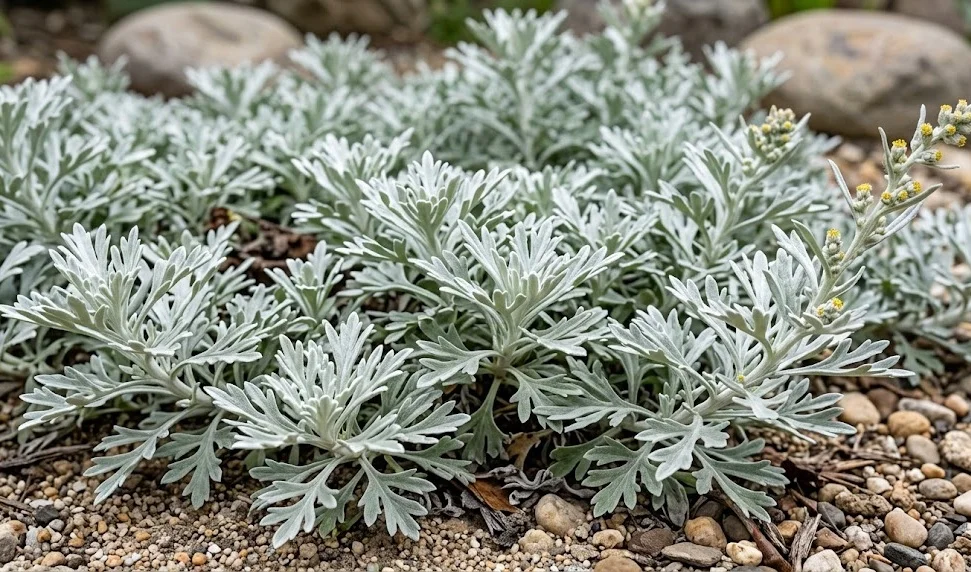

Diseases and pests of dusty miller are generally infrequent, as this plant is naturally resistant to many common garden problems. The silver, felt-like hairs on the leaves act as a physical barrier against many insects and help the plant stay dry. However, when the environment is not ideal—specifically when it is too humid or the soil is too wet—certain issues can arise. A professional approach to plant health involves monitoring for early signs of trouble and maintaining an environment that discourages pathogens from taking hold.
Fungal infections are the primary concern for anyone growing this silver-leaved perennial in a temperate or humid climate. Root rot and powdery mildew can quickly diminish the plant’s beauty and vigor if the conditions are right for their spread. You should focus on prevention by ensuring excellent drainage and providing enough space between plants for airflow. Understanding the lifecycle of these fungi will help you take the right steps to protect your garden from an outbreak.
While the plant is not a preferred food source for many pests, some opportunistic insects may still cause minor damage. Aphids and spider mites are the most likely candidates, especially during periods of drought when the plant might be slightly stressed. These pests can be managed with minimal intervention if they are caught early before they establish a large colony. Professional pest management always starts with the least invasive methods to preserve the natural balance of your garden.
Maintaining a clean and tidy garden environment is your best defense against both diseases and pests. Removing fallen leaves, thinning out overgrown clumps, and avoiding overhead watering are all simple but effective strategies. By being proactive rather than reactive, you can keep your dusty miller looking pristine throughout the entire growing season. This article provides detailed information on identifying, preventing, and treating the most common health issues for this species.
Managing root rot and soil-borne fungi
Root rot is the most serious disease you are likely to encounter when growing this variety of artemisia. You should watch for leaves that turn yellow or brown and a general wilting of the plant that doesn’t improve after watering. This condition is caused by various soil-borne fungi that thrive in saturated, anaerobic conditions where the roots cannot breathe. If you suspect root rot, you must immediately stop all irrigation and check the drainage of the planting site.
More articles on this topic
Prevention is far more effective than trying to cure a plant that already has significant root damage. You should always plant in well-drained soil and avoid over-mulching the crown with materials that hold onto moisture. If a plant is severely affected, it is often best to remove it and the surrounding soil to prevent the fungi from spreading to healthy neighbors. Professional landscapers often treat the area with a biological fungicide to restore the balance of the soil microbiome.
Other soil-borne issues like southern blight can also affect silver-foliage plants during the hot, humid months of summer. You might see a white, thread-like growth at the base of the stems, followed by the rapid collapse of the entire plant. Improving air circulation at the ground level is the best way to prevent this aggressive fungus from taking hold. Keeping the area around the base of the plants free of decaying organic matter will also reduce the risk of infection.
When choosing replacement plants for an area that has suffered from root rot, you should consider improving the soil structure first. Incorporating grit or sand and raising the planting bed can prevent the same issue from recurring in the future. It is also a good idea to rotate different species through the space to prevent any single pathogen from becoming established in the soil. A healthy soil environment is the foundation for a disease-free garden.
Combating foliar pathogens and powdery mildew
Powdery mildew is a common fungal disease that appears as a white, flour-like dusting on the surface of the leaves. You will find that this issue is most prevalent during periods of high humidity combined with cool nights and warm days. While it rarely kills the plant, it can make the silver foliage look dull and unattractive, which defeats the purpose of growing it. Improving the spacing between your plants is the most effective way to lower the humidity around the leaves.
More articles on this topic
If you notice the first signs of powdery mildew, you can use a gentle, organic spray to stop its progression. A mixture of water and a small amount of potassium bicarbonate or neem oil can be very effective if applied at the first sign of trouble. You should apply these treatments in the early morning so that the leaves have time to dry completely. Consistency is key when treating foliar fungi, as the spores can remain dormant and re-emerge when the weather changes.
Other leaf spot diseases can occasionally appear as small, dark lesions on the foliage during exceptionally wet seasons. These are often caused by water splashing from the soil onto the lower leaves, carrying pathogens with it. You should remove any affected leaves immediately and dispose of them in the trash, not the compost pile. Keeping the foliage as dry as possible through proper irrigation techniques will significantly reduce the occurrence of these spots.
In professional settings, fungicides are usually a last resort after cultural practices have been optimized. You should focus on selecting varieties that are known for their resistance and placing them in the most appropriate parts of your garden. A plant that is under the right light and moisture conditions will have a much stronger immune system to fight off foliar pathogens naturally. Healthy, vibrant foliage is a reflection of a well-managed garden environment.
Dealing with sucking insects and mites
Aphids are small, soft-bodied insects that can cluster on the tender new growth of the plant, sucking out the sap and weakening it. You might notice the leaves curling or a sticky substance called honeydew on the foliage if an infestation is present. A strong stream of water from a garden hose is often enough to knock these pests off and reduce their population significantly. Encouraging natural predators like ladybugs and lacewings is a professional way to keep aphid numbers in check.
Spider mites are microscopic pests that thrive in hot, dry conditions and can cause the foliage to look stippled or bronzed. Because they are so small, you might only notice their presence by the fine webbing they leave between the stems. Increasing the humidity around the plant very slightly or using an insecticidal soap can help manage a spider mite problem. These pests are usually a sign that the plant is under drought stress, so checking your watering routine is also important.
Scale insects can occasionally be found on the woody stems of older plants, appearing as small, immobile bumps. They feed on the plant’s juices and can cause branches to die back if they are left untreated for too long. You can remove these pests manually with a soft brush or apply a horticultural oil during the dormant season to suffocate them. Keeping the plant vigorous through proper care will make it less attractive to scale and other opportunistic insects.
A professional integrated pest management (IPM) strategy involves regular scouting and using the least toxic methods first. You should avoid using broad-spectrum pesticides that kill beneficial insects, as this can lead to even bigger pest problems later on. By maintaining a diverse and healthy garden, you create an environment where natural checks and balances keep pest populations under control. Your dusty miller will thrive when it is part of a balanced ecosystem.
Prevention through integrated pest management
Integrated pest management is a holistic approach that combines cultural, biological, and physical controls to keep your plants healthy. You should start by choosing healthy plants from the nursery and inspecting them thoroughly for any signs of hitchhiking pests or diseases. Proper planting and site selection are the next steps in creating a resilient plant that doesn’t need constant chemical support. A healthy plant in the right place is its own best defense against most problems.
Biological control involves fostering a garden that supports the “good bugs” that eat the “bad bugs.” You can plant a variety of flowering species nearby to provide nectar and pollen for predatory wasps and other beneficial insects. Avoiding the use of harsh chemicals will ensure that these natural allies stay in your garden to do the work for you. This professional approach is not only better for the environment but also more sustainable in the long run.
Physical controls include manual tasks like pruning out diseased branches, hand-picking larger pests, or using barriers. You should keep your garden tools clean and sharp to prevent the accidental spread of pathogens from one plant to another. Cleaning up garden debris at the end of the season removes the overwintering sites for many pests and fungi. These simple physical actions can have a huge impact on the overall health of your landscape.
Finally, you should keep a garden journal to track any issues that arise and how you responded to them. Over time, you will start to see patterns and learn which conditions trigger specific problems in your microclimate. This knowledge allows you to anticipate issues and take preventive action before they become serious. Professional gardening is as much about observation and learning as it is about physical labor.
Recognizing and mitigating environmental stress
Not all problems with your dusty miller are caused by pests or pathogens; some are simply a reaction to the environment. You should be able to recognize the signs of heat stress, such as temporary wilting in the afternoon followed by recovery in the evening. This is a natural response and doesn’t necessarily mean the plant needs more water. Providing a small amount of temporary shade during a record-breaking heatwave can help the plant stay comfortable.
Winter injury is another form of environmental stress that can look like a disease to the untrained eye. Brown, crispy leaf edges or split stems after a hard freeze are common symptoms of cold damage. You should wait until the spring to prune away this damage, as the dead foliage can actually protect the crown from further cold. Understanding the hardiness limits of your specific variety will help you set realistic expectations for its winter survival.
Salt spray and wind can also affect the appearance of the foliage, especially in coastal areas where this plant is often grown. While the plant is quite tolerant of these conditions, extreme storms can still cause some physical tattering of the leaves. You can provide a windbreak or plant it in a more protected spot if your garden is particularly exposed. A professional gardener looks at the whole environment to understand why a plant might be struggling.
By addressing the underlying environmental stresses, you can often solve “health problems” without ever needing a pesticide or fungicide. A plant that is perfectly suited to its location and receives the right amount of care will always be more resilient. Your goal is to create a stress-free environment where the dusty miller can showcase its beautiful silver foliage at its very best. With a little attention to detail, you can enjoy a healthy and pest-free garden for years to come.