
Providing the correct amount of light is perhaps the most critical factor in the successful cultivation of purple verbena. As a sun-loving species, its entire growth cycle and flowering potential are directly tied to the intensity and duration of solar exposure. A professional understanding of photoperiods and light quality ensures that your plants achieve their maximum aesthetic and biological potential. This article examines the nuances of light management for this vibrant garden perennial.
The primary requirement for this plant is full, direct sunlight for the majority of the day to thrive and flower. You should aim for a location that receives at least six to eight hours of unobstructed sun during the peak growing season. Without adequate light, the stems will become weak and elongated as the plant stretches to find more energy. Professional results start with a site that allows the plant to harness the power of the sun effectively.
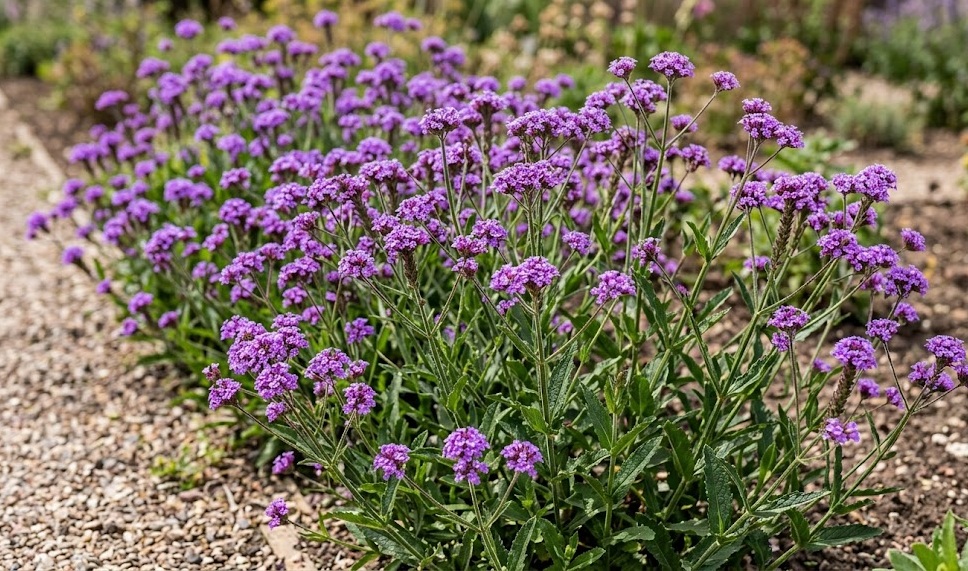
Light intensity also influences the color and density of the purple flower spikes that are so highly prized. You will notice that plants grown in the brightest spots produce much more vivid and numerous blossoms than those in partial shade. The foliage also stays more compact and resilient when exposed to high light levels throughout the day. Choosing a professional-grade location is the key to achieving that signature carpet of intense color.
Understanding how the light changes across your garden throughout the seasons is an essential skill for any serious gardener. You must account for the shifting shadows cast by buildings, trees, and other structures as the sun moves lower in the sky during autumn. A spot that is perfectly sunny in June might be in deep shade by September, affecting the plant’s late-season performance. Professional observation helps you place your plants where they will succeed all year long.
Photoperiod and solar intensity
The duration of daylight, or photoperiod, acts as a biological clock for many plants, including this species. You will find that the most vigorous growth and heaviest flowering occur during the long days of early and mid-summer. This period of high light availability provides the energy needed for the plant to produce its complex floral structures. A professional approach involves maximizing this window of opportunity through proper care and positioning.
More articles on this topic
Morning sun is often considered particularly beneficial because it helps dry the overnight dew from the leaves. You should prioritize east-facing locations that receive early light to help prevent fungal issues and other moisture-related problems. The cooler temperatures of the morning allow the plant to photosynthesize efficiently before the heat of the afternoon. Professional garden design often uses these microclimates to optimize plant health.
Afternoon sun provides the maximum intensity and heat, which this species is well-equipped to handle. You will see that the plant remains vibrant and upright even during the hottest parts of the day if it has been properly acclimated. This high-energy environment is what drives the intense metabolic processes needed for continuous blooming. Understanding the difference between morning and afternoon light helps you fine-tune your garden layout.
Reflected light from light-colored walls or pavements can also contribute to the total energy received by the plant. You can use these features to your advantage by planting in areas that benefit from this extra illumination. However, you must also be aware that reflected light can increase the local temperature and lead to faster drying of the soil. A professional eye considers all sources of light when evaluating a planting site.
Managing light exposure and shade
While the plant loves the sun, extreme intensity during a severe heatwave might require a little temporary management. You could provide some light, dappled shade during the hottest part of the afternoon if you notice the flowers wilting prematurely. This level of professional intervention preserves the beauty of the display during unusual weather events. However, permanent shade should be avoided as it will quickly lead to a decline in the plant’s vigor.
More articles on this topic
Trees and large shrubs in the garden can create shifting patterns of light that you must manage carefully. You might need to prune back overhanging branches to ensure that the verbena receives the sun it needs to flourish. Maintaining clear vertical space above your sun-loving perennials is a fundamental part of professional garden maintenance. A well-managed canopy ensures that the understory plants have access to the resources they require.
If you must grow this plant in a less-than-ideal location, you can try to compensate with other care factors. You might need to be even more diligent with drainage and nutrition to help the plant overcome the limitations of lower light. However, you should be prepared for fewer flowers and a more sprawling, less compact habit in these areas. Professionalism involves knowing the limits of the plant and setting realistic expectations for its performance.
Seasonal changes in light can also be managed through the use of containers that can be moved around the garden. You can shift your pots to follow the sun as the year progresses, ensuring a consistent level of exposure. This flexibility is a great professional tool for those with complex or shaded landscapes. Being mobile with your plants allows you to maximize the available solar energy throughout the entire season.
Photosynthetic efficiency and health
The deep green color of the leaves is a direct result of efficient photosynthesis and proper light absorption. You should monitor the foliage for any signs of yellowing or pallor, which can indicate that the light is either too intense or insufficient. Healthy leaves are a professional indicator that the plant is successfully converting sunlight into the energy it needs to grow. Keeping the foliage clean of dust and debris ensures that this process remains as efficient as possible.
Stunted growth and a lack of flowers are the most common signs that the plant is not receiving enough light energy. You will see the plant focusing its limited resources on simple survival rather than the luxury of producing blossoms. Moving the specimen to a sunnier location is often the only real cure for this problem. A professional gardener is always ready to make adjustments to improve the environmental conditions for their plants.
The relationship between light and water is a delicate balance that you must manage professionally every day. High light levels lead to higher rates of transpiration, meaning the plant will lose moisture more quickly. You must ensure that your watering routine is synchronized with the light intensity to prevent drought stress. A professional approach involves seeing the garden as an integrated system where light, water, and soil all work together.
Finally, the spectacular display of purple flowers is the ultimate reward for providing the perfect light environment. You will find that the effort spent in selecting and maintaining a sunny site pays off in a garden that is full of life and color. Sharing your knowledge of light requirements with others helps them achieve the same professional results in their own spaces. Great gardening is a celebration of the sun and the incredible beauty it helps create.