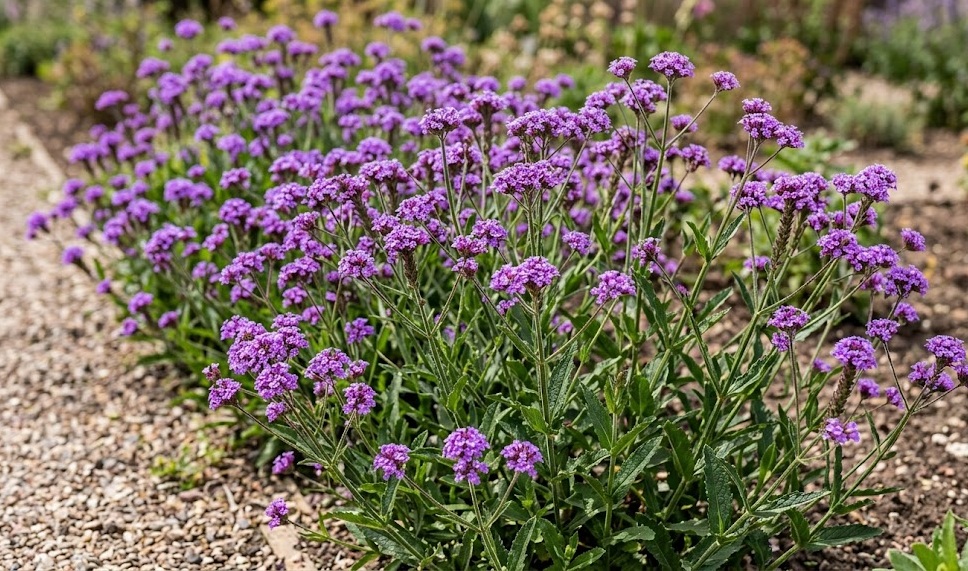

Successfully overwintering purple verbena is a key skill for any gardener who wishes to enjoy this beautiful perennial year after year. While it is often treated as an annual in colder regions, it can survive the winter with the right professional preparation and care. Understanding the plant’s dormancy needs and protecting its root system from extreme cold are the foundations of successful survival. This guide covers the various strategies you can use to ensure your plants return with vigor in the spring.
The first step in winter preparation is understanding the hardiness zone of your specific garden and the limits of the plant. You should monitor the local weather forecasts as autumn progresses to identify when the first hard frost is expected. Protecting the plant before the ground freezes solid is much more effective than trying to save it after damage has occurred. A professional approach involves being proactive and prepared for the seasonal transition well in advance.
Cutting back the foliage after the first light frost helps the plant focus its remaining energy on the root system. You should leave a few inches of stem above the ground to mark the location of the plant and provide a small buffer. Removing the bulk of the spent growth also prevents pests and diseases from hiding in the dead material over winter. This clean-up process is a professional way to tidy the garden while preparing for the dormant phase.
Providing a thick layer of protective mulch is one of the most effective ways to insulate the roots from the cold. You can use straw, shredded leaves, or wood chips to create a thermal blanket over the planting site. This layer helps regulate the soil temperature and prevents the freeze-thaw cycles that can heave plants out of the ground. Proper mulching techniques are a fundamental part of winter protection for all sensitive perennials.
Outdoor protection strategies
In regions with moderate winters, the plant can often survive in the ground with just a little extra help. You should ensure that the soil is well-drained, as wet soil in winter is often more damaging than the cold itself. Excess moisture around the dormant roots can lead to rot and the death of the specimen before spring. Choosing a professional-grade planting site with excellent drainage is the best insurance against winter loss.
More articles on this topic
Applying a frost blanket or a specialized garden fabric can provide several degrees of extra warmth during the coldest nights. You should secure the fabric firmly to the ground to prevent the wind from blowing it away and exposing the plants. Removing the cover during sunny days allows the soil to warm up and prevents the buildup of excess moisture. Managing these covers requires consistent attention but can make the difference between survival and loss.
Grouping plants together can create a slightly warmer microclimate that helps them withstand the winter wind. You can move potted specimens into sheltered corners or against the south-facing wall of a building. The thermal mass of the structure provides a small amount of heat that radiates back to the plants during the night. A professional gardener uses the layout of the landscape to provide natural protection for their most valued plants.
Watering the plants deeply before the ground freezes ensures that the tissues are well-hydrated during the dormant period. You might not think about watering in winter, but desiccation from cold winds is a common cause of plant death. Dry roots are much more susceptible to freezing damage than those in moist, well-insulated soil. Professional care continues right up until the ground is no longer workable.
Container storage and indoor options
For those in very cold climates, bringing the plants indoors is the most reliable way to ensure their survival. You should dig up the plants carefully in late autumn and place them in containers with fresh potting soil. Trimming the foliage back significantly will reduce the plant’s water needs and make it easier to manage indoors. This professional method allows you to save plants that would otherwise be lost to the extreme cold.
More articles on this topic
A cool, dark basement or an unheated garage is often the ideal place to store dormant plants over the winter. You want to keep the temperature above freezing but low enough that the plant does not try to start growing prematurely. Checking the moisture level of the soil once a month is usually sufficient to keep the roots alive without encouraging rot. Professional storage involves finding the perfect balance between protection and rest.
Light requirements are minimal during the dormant phase, so you do not need a greenhouse or a sunny window for storage. You should focus instead on maintaining a consistent temperature and preventing the plants from drying out completely. If the stems start to show signs of new, pale growth, the area is likely too warm and the plant should be moved. Monitoring the status of your stored plants is a key part of the winter routine.
In the late winter or early spring, you can gradually move the plants back into a brighter and warmer location to wake them up. You should start providing a small amount of water and perhaps a very light fertilizer to encourage new growth. This transition period prepares the plants for their eventual return to the garden once the soil has warmed up. Professional care ensures a smooth and successful revival of the dormant specimens.
Managing the transition to spring
As the days get longer and the soil begins to thaw, you can start removing the winter mulch in stages. You should be careful not to remove it all at once if there is still a risk of a sudden late frost. Gradually exposing the crown of the plant allows it to receive more light and warmth as the season progresses. This professional patience prevents the tender new growth from being damaged by erratic spring weather.
Inspecting the plants for any signs of winter damage or rot is the first task once the snow has cleared. You should prune away any dead or mushy stems to make room for the new growth emerging from the base. If a plant has been heaved out of the ground by frost, gently press it back into the soil and add a bit more mulch. Observation and quick action help the garden recover quickly from the stresses of winter.
Starting a regular watering routine is important as the plant begins to grow and its demand for moisture increases. You should aim to keep the soil consistently moist but not saturated during the early weeks of spring. This supports the development of a healthy and vigorous root system that will sustain the plant all summer. Professional results are built on the foundation of a strong start in the spring months.
Dividing the plants in the spring is an excellent way to rejuvenate older clumps and expand your garden. You can take the opportunity to enrich the soil with compost and other organic amendments as you replant. This practice not only improves the health of the individuals but also ensures a spectacular display for the coming year. A professional garden is a cycle of protection, growth, and continuous renewal.
Long term winter resilience
Selecting hardy varieties that are better suited to your local climate is the most professional way to ensure long-term success. You should research which cultivars have the best reputation for winter survival in your specific region. Investing in the right genetics from the beginning reduces the amount of work needed for winter protection. A professional gardener works with nature by choosing plants that are naturally adapted to their environment.
Building a resilient landscape involves creating windbreaks and using the natural topography to protect your garden. You can plant evergreen hedges or install decorative fences to reduce the impact of cold winter winds. These structures create a more stable environment for all your perennials and improve the overall beauty of the property. Professional design always considers the challenges of all four seasons.
Soil health plays a surprising role in how well a plant can withstand the stresses of the winter months. You will find that plants grown in well-balanced, organic soil have stronger cell structures and more energy reserves. Maintaining high standards of nutrition and soil care throughout the summer pays off in the winter. Professionalism in gardening is an all-year-round commitment to excellence.
Finally, the experience of successfully overwintering your plants brings a deep sense of satisfaction and connection to the garden. You will learn more about the unique conditions of your land with each passing season. Sharing your winter protection tips with neighbors and fellow gardeners helps everyone build a more beautiful and resilient community. Professional care is a journey of discovery that rewards you with beauty and endurance.