
Understanding the specific hydration and nutritional needs of purple verbena is essential for maintaining its health and promoting a spectacular floral display. While this plant is known for its drought tolerance once established, it still requires a professional approach to resource management. Providing the right amount of water and nutrients at the correct times prevents stress and ensures vigorous growth. This article explores the best practices for managing these two vital aspects of plant care.
The timing of your watering routine can significantly impact the efficiency of the plant’s metabolic processes. You should aim to water early in the morning before the sun reaches its peak intensity. This allows the foliage to dry quickly, which reduces the risk of fungal infections and other moisture-related problems. Consistency is key, especially during the transition from young seedling to established garden inhabitant.
Observing the soil moisture levels manually is the most reliable way to determine when the plant needs more water. You should check the top few inches of soil and only apply water if it feels dry to the touch. The goal is to avoid keeping the roots in a constantly saturated state, which can lead to decline. A professional eye for soil conditions ensures that the plant receives exactly what it needs without waste.
Fertilization should be seen as a supplement to naturally healthy soil rather than a primary source of sustenance. You will find that the plant responds best to a balanced approach that supports both roots and flowers. Avoiding excessive nitrogen is particularly important to prevent the growth of weak, lanky stems that lack flowers. Understanding the nutritional balance of your garden helps you achieve a professional and long-lasting result.
Hydration cycles and techniques
Developing a deep-watering technique encourages the roots to grow further into the soil for stability and moisture. You should apply water slowly at the base of the plant to ensure it penetrates deeply rather than running off the surface. This practice builds resilience against short-term droughts and high temperatures. Shallow, frequent watering often results in a weak root system that is more vulnerable to environmental changes.
More articles on this topic
The use of drip irrigation or soaker hoses is a professional way to deliver water directly to where it is most needed. These systems minimize water loss through evaporation and keep the foliage dry during the process. You can set these systems on a timer to ensure that the garden receives consistent hydration even when you are busy. Modern irrigation technology is an excellent tool for managing large or complex planting areas.
Environmental factors like wind and humidity play a significant role in how quickly the plant loses moisture. You should be prepared to increase the frequency of watering during windy days or periods of extreme dry heat. Conversely, during cool or overcast weather, the plant’s demand for water will naturally decrease. Monitoring the local microclimate allows you to make precise adjustments to your care routine.
Mulching the area around the plants is a highly effective way to conserve soil moisture and regulate temperature. You should maintain a consistent layer of organic mulch to slow down the evaporation process from the soil surface. This not only saves water but also provides a more stable environment for the root system. A professional landscape always incorporates mulching as a fundamental part of the hydration strategy.
Nutritional requirements and timing
The best time to apply fertilizer is in the early spring as the plant is beginning its active growth phase. You should choose a product that provides a balanced ratio of nitrogen, phosphorus, and potassium. This initial boost helps the plant develop strong stems and healthy leaves that will eventually support the flowers. Professional gardeners often use a slow-release formula to provide a steady supply of nutrients over several months.
More articles on this topic
Middle-of-the-season feeding can help sustain the flowering period if you notice the plant’s vigor starting to wane. You might use a liquid fertilizer for a more immediate effect during the peak summer weeks. Be careful not to apply fertilizer when the plant is under severe heat or drought stress. It is better to ensure the plant is well-hydrated before adding any concentrated nutritional supplements.
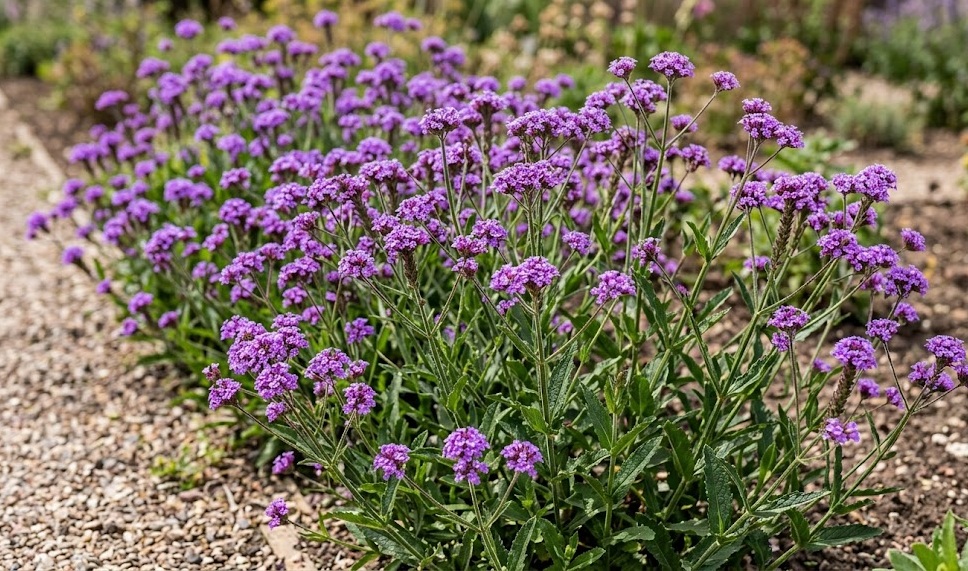
Phosphorus is the key element for promoting the vibrant purple blooms that make this species so popular. You should look for fertilizers that have a slightly higher middle number to support flower development. A professional focus on phosphorus ensures that the plant remains a focal point of color in your garden. Well-timed applications of the right nutrients can make a noticeable difference in the quality of the blossoms.
Late season fertilization should be avoided to prevent the growth of soft tissue that could be damaged by frost. You want the plant to naturally slow down and harden its structures as winter approaches. Providing nutrients too late in the year can confuse the plant’s biological clock and lead to winter injury. Professional care involves knowing when to stop as much as it involves knowing when to start.
Organic vs synthetic amendments
Many professional horticulturists prefer organic fertilizers for their long-term benefits to soil structure and microbial life. You can use composted manure, fish emulsion, or seaweed extracts to provide a wide range of nutrients. These products break down slowly and are less likely to leach away into the groundwater. Organic methods support a more sustainable and healthy garden ecosystem over many years.
Synthetic fertilizers offer a more concentrated and precise way to deliver specific nutrients to your plants. You can find specialized formulas that are designed for flowering perennials and offer quick results. However, you must be careful not to over-apply these products, as they can lead to salt buildup in the soil. Using synthetic options requires a disciplined approach and a clear understanding of the plant’s immediate needs.
Combining both organic and synthetic methods can provide the benefits of both worlds for a professional garden. You might use compost for the base soil health and targeted synthetic feeds for peak performance. This integrated approach ensures that the soil remains fertile while the plants get a boost during critical times. Balancing different types of amendments is a skill that develops with experience and observation.
Soil testing is a professional tool that removes the guesswork from your fertilization program. You should have your soil analyzed periodically to identify any specific deficiencies or pH imbalances. This information allows you to tailor your amendments to exactly what your garden needs. A scientific approach to nutrition leads to more consistent results and healthier, more resilient plants.
Signs of nutritional imbalance
Identifying the symptoms of over-fertilization is just as important as knowing when the plant is hungry. You might see browned leaf edges or a white crust on the soil surface if too much salt has accumulated. If the stems are growing very long and soft without many flowers, you have likely provided too much nitrogen. Quick correction of these issues is necessary to restore the plant’s natural balance and health.
Nutrient deficiencies often show up as discoloration or stunted growth in the newer leaves of the plant. A yellowing of the leaves while the veins remain green can indicate an iron or magnesium deficiency. You should address these issues with targeted supplements rather than a general all-purpose fertilizer. Monitoring the visual cues of the plant is a fundamental part of professional garden observation.
Poor flowering can also be a sign that the plant is not receiving enough phosphorus or is being shaded by neighbors. You should evaluate the overall environment before assuming that more fertilizer is the only solution. Sometimes, simply adjusting the light levels or the watering routine can resolve the issue without adding more nutrients. A holistic view of the plant’s health is essential for accurate diagnosis and treatment.
Stunted root systems can result from poor soil structure or an imbalance in the calcium and magnesium levels. You will notice that the plant seems less stable and more prone to wilting even when water is present. Improving the soil physical properties is often more effective than simply adding more chemical fertilizers. Professional care focuses on the underground environment as the foundation for everything seen above the surface.
Sustainable resource management
Using rainwater collection systems is an environmentally friendly and professional way to hydrate your garden. Rainwater is often better for plants because it lacks the chlorine and minerals found in many municipal supplies. You can install barrels or larger tanks to capture water from your roof for use during dry periods. Sustainable practices are increasingly important in modern professional gardening and landscape design.
Targeted application of fertilizers reduces the risk of runoff and protects the local watershed. You should apply nutrients directly to the root zone rather than broadcasting them over a wide area. This ensures that the verbena receives the maximum benefit while minimizing waste and environmental impact. Responsible resource management is a key component of a professional and ethical approach to gardening.
Recycling garden waste into compost provides a free and high-quality source of nutrition for your beds. You can turn spent plants and kitchen scraps into a rich amendment that improves soil health. This circular approach to garden management is highly effective and reduces the need for external inputs. A professional gardener values the resources already present within the garden ecosystem.
Observing the natural resilience of the plant allows you to minimize interventions as the garden matures. You will find that an established and well-mulched bed requires much less water and fertilizer than a new one. Trusting the plant’s ability to adapt to its environment is part of a mature and professional perspective. Ultimately, the goal is to create a beautiful space that thrives with a balance of care and natural independence.