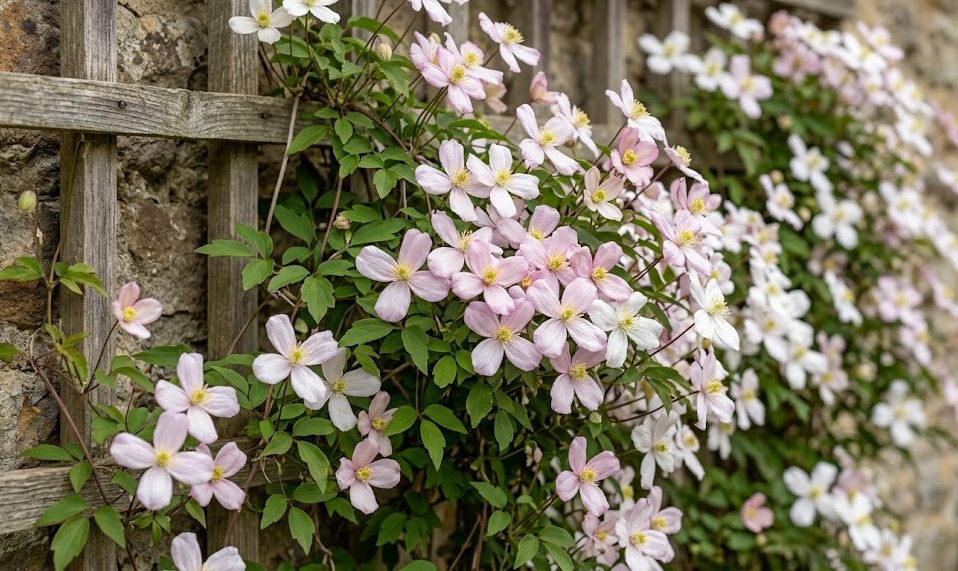

Understanding the specific light requirements of mountain clematis is fundamental to achieving both the legendary growth rate and the massive flower production this species is known for. This plant is a master of adaptation, but it has very clear preferences that dictate how well it will perform in any given garden setting. In its natural woodland habitat, it is a plant of the edges, reaching for the bright sky while keeping its base in the dappled shade of larger trees. Replicating this balance of light and shadow is the key to a healthy and long-lived climber.
The foliage of mountain clematis thrives in bright, indirect light or full sun, which provides the energy needed for its rapid expansion. Without enough light, the plant may become “leggy,” with long gaps between the leaves and a significantly reduced number of flower buds. Ideally, the top part of the vine should receive at least six hours of direct sunlight each day to produce the dense wall of blossoms that gardeners crave. However, in very hot climates, some afternoon shade can be beneficial to prevent the delicate petals from fading too quickly.
While the top of the plant loves the sun, the base of the mountain clematis has a very different requirement that is often summarized as “cool feet.” The root zone and the lower thirty to sixty centimeters of the stem should ideally be shaded to prevent the soil from drying out and the roots from overheating. This unique dual-requirement is what makes the plant so well-suited for growing through other shrubs or along the base of a sunny wall. Strategic planting of low-growing perennials or the use of decorative stones can provide the necessary shade for the base without blocking the light for the rest of the vine.
Observation is a professional’s best tool for determining if the light levels in a particular spot are appropriate for the plant. If the leaves are a vibrant, deep green and the stems are robust, the plant is likely receiving the perfect amount of light. If the leaves start to look pale or yellowish, it could be a sign of light stress, either too much intense midday sun or not enough overall light. By paying attention to these visual cues, you can make informed decisions about whether to provide more shade or perhaps thin out overhanging branches from nearby trees.
Navigating shade and orientation
Mountain clematis is one of the more shade-tolerant members of the genus, making it a valuable choice for north-facing walls or less sunny corners of the garden. In these cooler, more shaded positions, the plant will still grow vigorously, although the flowering may be slightly less intense and the blooms may open a week or two later. Many gardeners actually prefer this, as the flowers often last longer in the shade because they aren’t being scorched by the intense sun. It also provides a way to bring color and life to areas where other sun-loving climbers would struggle to survive.
More articles on this topic
The orientation of the wall or fence upon which the clematis is growing will significantly influence its growth patterns and flowering time. An east-facing position provides the plant with gentle morning sun and protection from the hottest part of the day, which is an excellent compromise for most climates. A west-facing wall can be quite challenging, as it absorbs and radiates heat in the late afternoon, potentially stressing the plant during a hot summer. If you have a south-facing wall, you must be extra diligent about maintaining the “cool feet” and ensuring the root zone stays moist.
When growing mountain clematis in a woodland or naturalized setting, the dappled shade provided by a high canopy is often the perfect environment. The filtered light mimics the plant’s natural evolutionary home and results in healthy, balanced growth without the risk of heat stress. You should, however, ensure that the plant is not in such deep shade that it is constantly damp, as this can lead to increased problems with slugs and fungal diseases. Finding that “sweet spot” of bright, filtered light will yield a plant that looks natural, healthy, and incredibly beautiful.
In urban environments, the reflection of light from neighboring buildings or glass surfaces can sometimes create “hot spots” that exceed the plant’s tolerance. It is worth spending some time in the garden at different times of the day to see how the light moves and where it might be concentrated. If you notice a particular section of the vine is always wilting even when the soil is moist, it may be receiving too much reflected heat. Simple adjustments, like adding a small trellis extension to move the vine away from a hot surface, can make a world of difference.
Maximizing flowering through light management
The intensity and duration of light are the primary triggers for the production of the flower buds that provide the spectacular spring show. A plant that is moved from a shaded nursery to a very sunny garden may take a season or two to adjust its metabolic processes to the higher light levels. Once established, the mountain clematis will use the summer sun to build up the energy reserves it needs to create thousands of blossoms for the following year. This is why a sunny summer is often followed by an particularly spectacular flowering season the next spring.
More articles on this topic
You can actually “steer” the growth of the plant to take advantage of the available light by training the stems strategically. If one part of the trellis is in deep shade and another is in full sun, the plant will naturally gravitate toward the light. By spreading the stems out and ensuring they are not bunched together, you allow more leaves to be exposed to the sun, which increases overall photosynthesis. This professional training technique not only improves the health of the plant but also ensures that the flowers are distributed evenly across the entire structure.
Seasonal changes in the angle of the sun should also be taken into account when planning your garden layout. A spot that is in full sun during the height of summer might be in deep shadow during the spring when the clematis is trying to bloom. Since the mountain clematis blooms early in the season, it is vital that it receives adequate light during the late winter and early spring weeks. Deciduous trees can be excellent companions because they allow light through their bare branches in the spring while providing shade later in the summer.
Finally, remember that the color of the flowers can be influenced by the amount of light they receive during their development. In very bright sun, the pink-flowered varieties of mountain clematis may fade to a much lighter shade or even appear almost white. If you want to maintain the deep pink hue of a specific cultivar, placing it in a spot with partial shade or morning-only sun is often the best strategy. Understanding these subtle interactions between light and plant biology allows you to truly master the art of growing this magnificent climber.