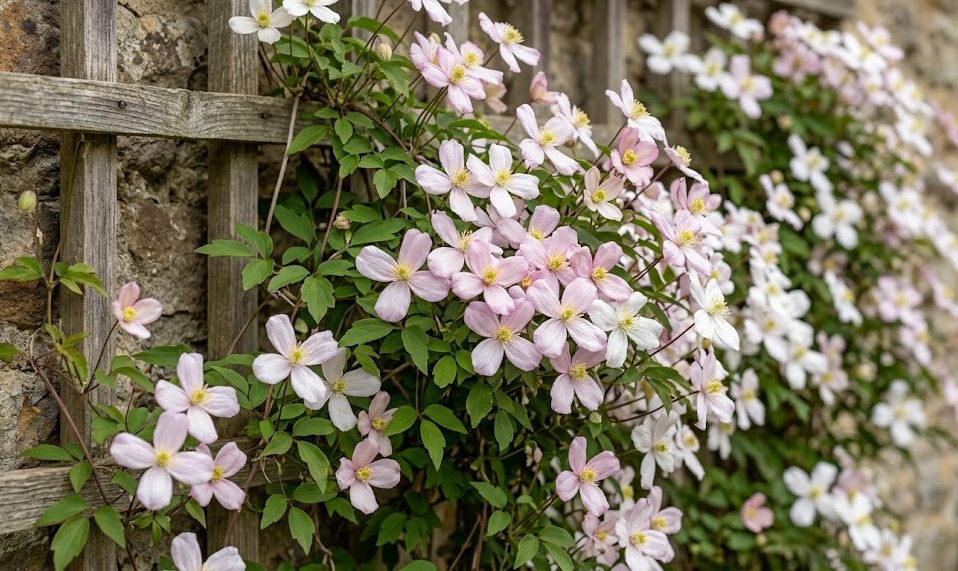

Proper hydration and nutrient management are the twin pillars of maintaining a vigorous and floriferous mountain clematis throughout its long life. This species is famous for its rapid growth, which means it processes water and minerals at a much higher rate than many other garden plants. Without a consistent supply of these essentials, the plant may fail to reach its full potential or become susceptible to environmental stress. Mastering the art of watering and the science of fertilization will transform a standard climber into a magnificent garden centerpiece.
The water requirements of mountain clematis are particularly high during its peak growing and flowering phase in the spring. During this time, the plant is producing thousands of leaves and blossoms, all of which require a constant stream of moisture from the roots. If the soil is allowed to dry out completely during this period, the flowers may wilt prematurely or fail to open entirely. Providing a deep soak at least once a week is usually sufficient for established plants, though younger ones may need more frequent attention.
When applying water, it is important to focus on the base of the plant rather than the foliage to minimize the risk of fungal diseases. Using a soaker hose or a watering can with the rose removed allows you to deliver water directly to the root zone where it is needed most. This targeted approach also conserves water by reducing evaporation and preventing runoff into areas where it isn’t required. Morning is generally considered the best time for irrigation, as it allows any accidental splashes on the leaves to dry quickly in the sun.
Soil type plays a massive role in how you should approach the watering schedule for your mountain clematis. Gardens with heavy clay soil will retain moisture longer but may become waterlogged, which is detrimental to root health. Conversely, sandy soils drain rapidly and will require more frequent, smaller applications of water to keep the plant hydrated. Observing the plant’s response to your watering routine—such as the turgidity of the leaves—is the best way to fine-tune your approach for your specific garden conditions.
Seasonal watering strategies
As the heat of summer intensifies, the watering strategy must adapt to compensate for higher evaporation rates and the plant’s continued growth. Even though the main flowering period has passed, the vine is still building energy and preparing its buds for the following year. During a drought, the mountain clematis may enter a semi-dormant state if it doesn’t receive enough water, which can reduce its vigor in the long run. Providing a consistent moisture level helps the plant maintain its lush green screen and overall health throughout the hottest months.
More articles on this topic
In the autumn, as the temperatures drop and the plant begins to prepare for dormancy, you can gradually reduce the frequency of watering. However, it is vital to ensure that the soil does not go into the winter bone-dry, as frozen dry soil can actually damage the roots. If the autumn has been particularly dry, a final deep watering before the first hard frost is a professional secret for successful wintering. This moisture acts as a buffer against the desiccant effects of cold winter winds on the dormant stems.
Container-grown mountain clematis require a much more intensive watering regime than those planted in the open ground. Because the root volume is restricted, the soil in a pot can dry out in a matter of hours during a hot summer day. You might find it necessary to water container plants every single day, and in some cases, both morning and evening. Installing an automated drip irrigation system can be a lifesaver for potted climbers, ensuring they never experience the stress of dehydration.
Monitoring rainfall is a key part of being a professional gardener and helps avoid the common mistake of overwatering. A simple rain gauge placed near the plant can tell you exactly how much natural moisture the garden has received each week. If Mother Nature has provided an inch of rain, you can likely skip your manual watering session for that period. Overwatering is just as dangerous as underwatering, as it can lead to root rot and the collapse of the entire vine.
Understanding nutrient requirements
To support its legendary growth rate, mountain clematis needs a steady supply of macronutrients, specifically nitrogen, phosphorus, and potassium. Nitrogen is the engine for leafy growth, ensuring that the vine can cover large areas with healthy, green foliage in a short amount of time. Phosphorus is essential for root development and, more importantly, for the production of the spectacular flower display that defines this species. Potassium helps regulate the plant’s internal processes and strengthens its resistance to diseases and temperature fluctuations.
More articles on this topic
In addition to the main nutrients, various micronutrients like magnesium and iron play supporting roles in the plant’s overall metabolic health. A deficiency in magnesium often manifests as yellowing between the veins of older leaves, a condition known as interveinal chlorosis. Applying a small amount of Epsom salts dissolved in water can often correct this specific issue quite rapidly. Ensuring a balanced diet for your plant prevents these minor issues from becoming major setbacks during the growing season.
The timing of fertilizer application is just as important as the type of nutrients you choose to provide. The first feeding should occur in early spring, just as the new buds begin to swell and show signs of life. This “jump-start” feeding gives the plant the immediate resources it needs for the massive energy expenditure of spring blooming. A second, lighter application can be made in mid-summer after the flowers have faded to support the development of next year’s buds.
Avoid fertilizing too late into the autumn, as this can stimulate soft, new growth that will not have time to harden off before the frost. This tender growth is highly susceptible to winter kill and can act as an entry point for diseases into the main structure of the plant. A professional approach involves tapering off the nutrient supply as the growing season winds down, allowing the plant to naturally transition into dormancy. By following this schedule, you align your care with the plant’s natural biological clock.
Organic vs mineral fertilizers
Choosing between organic and mineral fertilizers is a decision that affects both the plant and the long-term health of the garden soil. Organic options, such as well-rotted manure, compost, or bone meal, release their nutrients slowly as they are broken down by soil microbes. This slow-release mechanism provides a steady stream of food and improves the overall soil structure and microbial diversity over time. Many expert gardeners prefer organic methods because they create a more resilient and self-sustaining ecosystem for the roots.
Mineral or synthetic fertilizers provide nutrients in a form that is immediately available to the plant, which can be useful for correcting specific deficiencies. These products are often highly concentrated and must be applied strictly according to the manufacturer’s instructions to avoid “burning” the sensitive roots. While they offer a quick boost in growth or flowering, they do little to improve the long-term quality of the soil. Some professionals use a hybrid approach, using organic matter as a base and supplementing with mineral feeds during peak periods.
Specialized clematis fertilizers are available on the market and are formulated with the specific ratios that these plants prefer. These often contain a higher proportion of potassium to encourage heavy flowering and strong stem development. If a specialized product is not available, a high-quality rose fertilizer is often an excellent and easily accessible substitute. The key is to look for a balanced N-P-K ratio that leans slightly toward the phosphorus and potassium side for maximum bloom power.
Liquid feeds are another option, particularly for plants that need a quick pick-me-up or for those growing in containers. Because liquid fertilizers are applied during watering, they reach the roots instantly and can produce visible results within a few days. However, the effects of liquid feeding are short-lived, meaning you will need to repeat the application more frequently than with granular products. For a large, ground-planted mountain clematis, a combination of annual granular feeding and occasional liquid supplementation is often the best strategy.
Monitoring and adjusting the routine
Every mountain clematis is unique, and its specific needs may change based on its age, its location, and the weather patterns of the year. Being an observant gardener means looking for subtle signs that the plant might need a bit more water or a different nutrient balance. For example, if the new growth appears stunted or pale, it may be time to increase the nitrogen levels in your fertilization routine. Conversely, if the plant is all leaves and no flowers, you might need to reduce the nitrogen and increase the phosphorus.
Soil testing is a professional tool that removes the guesswork from your fertilization program and ensures you aren’t over-applying certain minerals. A simple kit from a garden center can reveal the pH and the levels of major nutrients in your soil. This information allows you to tailor your amendments precisely to what is missing, saving you money and protecting the environment from excess nutrient runoff. Testing every two or three years is usually sufficient for most home gardens and provides a clear picture of soil health.
The presence of mulch should also be taken into account when calculating your watering and feeding needs. While mulch is beneficial for moisture retention, it can sometimes act as a barrier that prevents light rain or granular fertilizer from reaching the soil. You may need to pull back the mulch slightly when applying solid fertilizers to ensure they make direct contact with the earth. Always re-spread the mulch afterward to maintain the protection and temperature regulation that it provides for the roots.
Finally, keep a simple garden journal to track when you water and fertilize your mountain clematis throughout the year. This record allows you to see patterns over time and helps you remember what worked well in previous seasons. You can note the dates of the first blooms and compare them to your fertilization schedule to see the direct impact of your care. Over time, this data-driven approach will make you a much more confident and successful grower of this magnificent climber.