
Pruning and cutting back spiraea is an essential maintenance task that keeps these shrubs looking their best and performing at their highest potential. Regular pruning not only helps to maintain a pleasing shape and size but also stimulates the production of fresh, healthy growth and more flowers. Because these plants are so resilient, they are very forgiving of pruning mistakes, making them a great choice for both novice and experienced gardeners. A professional approach to pruning will ensure that your landscape remains tidy, vibrant, and full of life throughout the year.
The timing of your pruning is the most critical factor to consider, as it depends entirely on whether your specific variety blooms on old wood or new wood. Pruning at the wrong time of year won’t kill the plant, but it can accidentally remove the flower buds, leaving you with a green but flowerless shrub for a season. Understanding the blooming cycle of your plant is the first step in developing a professional pruning schedule that works with nature rather than against it. Most gardeners find that a few minutes of targeted cutting each year is all it takes to keep these plants in top condition.
Using the right tools and techniques will make the job much easier and will result in cleaner cuts that heal more quickly. You should always use sharp, high-quality bypass pruners for most tasks, and perhaps a pair of loppers for any thicker, older stems at the base of the plant. Dull tools can crush the stems instead of cutting them, which creates a jagged wound that is more susceptible to pests and diseases. Maintaining your equipment is a sign of a professional gardener who values the health and longevity of their plants.
In addition to seasonal maintenance, pruning can also be used as a tool for rejuvenating older shrubs that have become woody or sparse. By removing some of the oldest wood, you encourage the plant to send up new, vigorous shoots from the base, effectively “resetting” the shrub’s growth. This practice can add many years to the life of a plant and keep it looking as fresh as the day it was first planted. Professional pruning is a blend of art and science that allows you to guide the natural development of your garden.
Pruning objectives and tools
Before you make your first cut, it is important to have a clear understanding of what you are trying to achieve with your pruning session. Are you trying to reduce the size of the plant, improve its overall shape, or simply remove dead and damaged wood? Having a clear objective will help you make more precise decisions and prevent you from over-pruning the shrub. A professional always takes a moment to step back and look at the whole plant from several angles before they begin working.
More articles on this topic
High-quality tools are an investment that will pay for themselves in both the quality of your work and the health of your plants. Bypass pruners are the preferred choice because they act like a pair of scissors, creating a clean and smooth cut that heals rapidly. For larger branches that are too thick for hand pruners, a pair of sharp loppers will provide the extra leverage needed for a clean break. Always ensure your tools are clean and free of rust to prevent the accidental spread of any issues between different plants in your garden.
Technique is just as important as the tools you use, and making the right kind of cut will ensure the plant recovers quickly. You should always cut back to a healthy bud or a lateral branch, making the cut at a slight angle away from the bud. This prevents water from sitting on the cut surface, which can lead to rot or fungal problems during wet weather. Avoid leaving long “stubs” of wood, as these will simply die back and can become an entry point for various garden pests.
Sanitation is a vital part of the professional pruning process that is often overlooked by casual gardeners. If you are pruning a plant that shows any signs of disease, you must sterilize your tools with alcohol or a mild bleach solution before moving on to the next plant. This simple step prevents you from inadvertently spreading pathogens throughout your entire landscape. Keeping a small bottle of disinfectant in your garden kit is a professional habit that will save you a lot of trouble in the long run.
Technique for spring vs summer bloomers
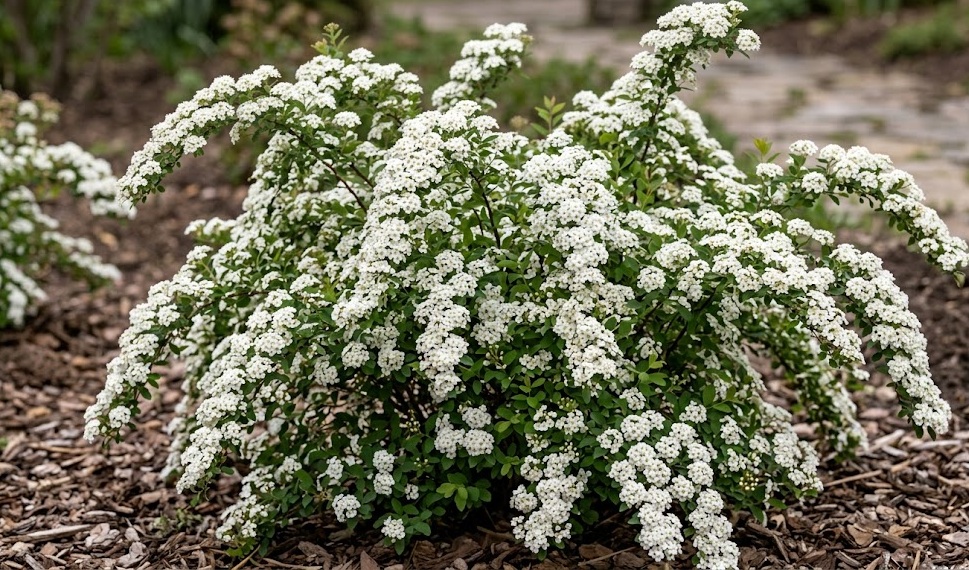
The most important rule in professional spiraea pruning is to know when your specific variety produces its flowers. Spring-blooming varieties, such as the classic “Bridal Wreath,” produce their buds on the wood that grew during the previous summer. Therefore, you should only prune these plants immediately after they have finished flowering in the late spring or early summer. If you prune them in the winter or early spring, you will be cutting off all the potential blossoms for that year.
More articles on this topic
Summer-blooming varieties, on the other hand, produce their flowers on the new growth that emerges in the current season. These plants should be pruned in the late winter or very early spring before the new growth begins to appear. This heavy pruning encourages a flush of fresh stems that will carry an abundance of flowers later in the summer. Many professional gardeners cut these varieties back quite hard, sometimes to within a few inches of the ground, to keep them compact and prolific.
Regardless of the type, the “one-third rule” is a professional guideline that helps maintain the health and vigor of multi-stemmed shrubs. This involve removing about one-third of the oldest, woodiest stems all the way to the ground every year. This constant renewal ensures that the plant is always composed of young, productive wood that produces the best foliage and flowers. It also improves air circulation and light penetration into the center of the shrub, which is essential for long-term health.
For a more formal look, you can also use hedging shears to lightly trim the outer surface of the shrub into a specific shape. This is often done with the smaller, colorful-leaved varieties to keep them looking neat and tidy in a garden bed. However, keep in mind that repeated shearing can lead to a very dense outer “shell” of foliage with a hollow, woody interior. A professional approach often combines this aesthetic shaping with some internal thinning to keep the entire plant healthy and vibrant.
Rejuvenation and maintenance cuts
Every few years, you may find that an older shrub has lost its shape or is not blooming as well as it used to. Rejuvenation pruning is a more drastic technique used to bring these tired plants back to life and restore their natural beauty. You can either cut the entire plant down to about six inches above the ground in early spring, or use a more gradual approach over three years. This stimulates the dormant buds at the base of the plant to grow into a brand-new framework of stems.
Maintenance pruning is the regular, ongoing work of keeping the plant healthy and safe within its environment. This involves the removal of the “three Ds”: dead, damaged, and diseased wood, which should be done as soon as it is noticed regardless of the season. You should also look for “suckers” or very thin, weak growth coming from the base that doesn’t contribute to the overall shape. Removing these keeps the plant’s energy focused on its strongest and most attractive branches.
After a major pruning session, you should provide the plant with a little extra care to help it recover from the stress. A light application of balanced fertilizer and a deep watering will give the shrub the resources it needs to produce new growth. Make sure the mulch layer is still in place to protect the roots and maintain consistent soil moisture during this recovery period. Observing how the plant responds to your cuts will help you become a more intuitive and professional gardener over time.
Pruning is one of the most effective ways to interact with your garden and guide its development toward your vision. It requires a bit of knowledge and a bit of courage to make those first cuts, but the results are always worth the effort. A well-pruned shrub is a testament to the skill and dedication of the person who cares for it. By following these professional guidelines, you ensure that your spiraea remains a highlight of your garden for many years to come.