
The pomegranate is a plant of the sun, and its ability to thrive is directly linked to the quality and quantity of light it receives each day. You must understand that while these trees are adaptable, they have evolved in regions with intense solar radiation and very few cloudy days. To achieve the best fruit quality and the most vibrant floral displays, you should prioritize the brightest spots in your garden for your pomegranate trees. Light is the fundamental fuel that powers the complex chemical processes responsible for the plant’s health and the flavor of its fruit.
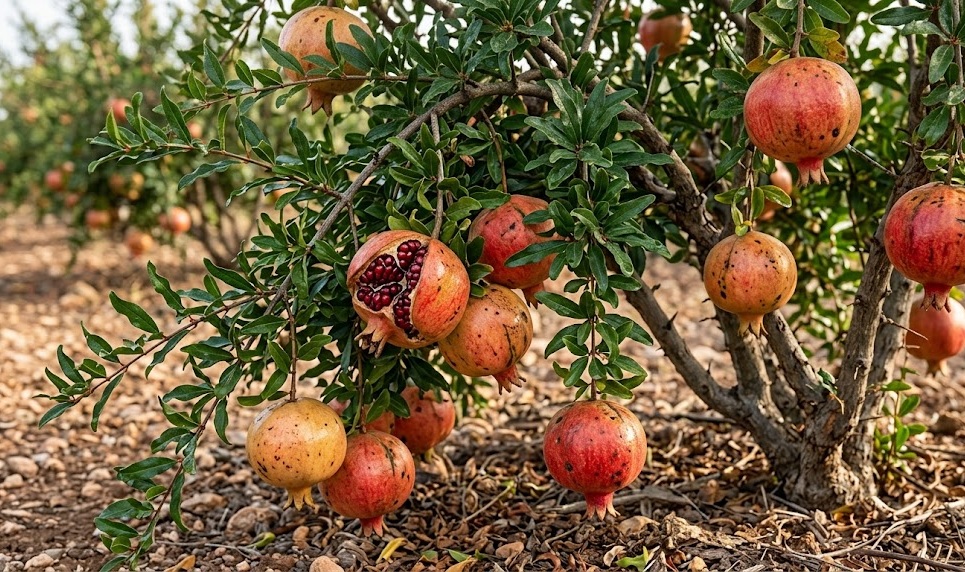
The intensity of the light is just as important as the duration, especially during the peak of the growing season when the fruit is maturing. Direct sunlight encourages the development of the deep red pigments in the skin and the high sugar levels within the arils that make the fruit so desirable. You will find that trees grown in even partial shade often produce smaller, less colorful fruit with a more acidic and less complex flavor profile. Providing maximum solar exposure is a non-negotiable requirement for anyone aiming for a professional-grade pomegranate harvest.
As the sun moves across the sky throughout the seasons, the light patterns in your garden will change, potentially affecting the tree’s performance. You should observe how shadows fall from nearby buildings or larger trees, particularly during the late summer and early autumn when the fruit is finishing. If the tree is shaded for more than a few hours a day, you may need to reconsider its placement or perform some strategic pruning on surrounding vegetation. A proactive approach to light management ensures that your pomegranate never suffers from a lack of energy.
Light also plays a critical role in the architectural development of the tree and the strength of its structural limbs. A tree that receives light from all sides will grow more evenly and develop a strong, balanced canopy that can support the weight of a heavy crop. Conversely, a tree that is shaded on one side will often lean toward the light, creating an unbalanced structure that is more prone to damage during storms. Managing the light environment is a key part of shaping a healthy and productive tree that will last for many decades in your landscape.
Optimal sun exposure and orientation
For a pomegranate to reach its full potential, you should aim for a minimum of eight to ten hours of direct, unfiltered sunlight every day. This level of exposure ensures that the tree has more than enough energy for both vegetative growth and the demanding process of fruit production. In cooler climates, you might even consider using reflective surfaces, like light-colored walls, to bounce extra light and heat back onto the tree. Maximizing the available solar energy is the single best way to compensate for a shorter growing season in northern or coastal regions.
More articles on this topic
The orientation of your planting site can significantly influence the amount of heat and light the tree receives, especially in the early morning and late afternoon. A south-facing slope or a spot on the southern side of a building is generally the most ideal location for a pomegranate in the northern hemisphere. This orientation provides the maximum amount of “growing degree days,” which are essential for ripening the fruit to its full sweetness before the first frost. You should also consider how the angle of the sun changes in the autumn, ensuring the fruit still receives enough light as the days shorten.
If you are planting a row of trees, you should align them in a north-south direction to prevent the trees from shading each other as the sun moves overhead. This professional layout ensures that every part of each tree’s canopy gets its share of direct light at some point during the day. You will notice that trees planted with this level of foresight exhibit more uniform growth and a more consistent harvest across the entire planting. Proper orientation is a hallmark of sophisticated agricultural planning that pays dividends every year.
Shadows cast by evergreen trees or permanent structures should be mapped out before you decide on the final location for your pomegranate. While a spot might look sunny in the middle of summer, it could be in deep shade for much of the spring and autumn when the sun is lower in the sky. You should aim to place the tree where it will be clear of these long shadows during the most critical parts of the growing season. A careful assessment of the site’s light history prevents you from making a costly mistake in tree placement.
Photosynthesis and energy allocation
At its most basic level, a pomegranate tree is a biological solar panel that converts light energy into chemical energy through the process of photosynthesis. Every leaf is a specialized factory designed to capture photons and use them to synthesize the sugars that fuel the tree’s growth and reproduction. You should ensure that the foliage remains healthy and free of pests, as any damage to the leaves directly reduces the tree’s ability to process light. A vibrant, deep green canopy is a visual indicator that your tree is operating at its maximum photosynthetic efficiency.
More articles on this topic
The tree must constantly decide how to allocate the energy it captures from the sun between different needs like root expansion, leaf growth, and fruit development. When light is abundant, the tree can afford to invest heavily in all these areas, leading to a robust structure and a bountiful crop. However, if light is limited, the tree will often prioritize basic survival and vegetative growth over the high energy cost of producing fruit. This is why pomegranates in shady spots often look healthy and green but rarely produce any significant amount of fruit for the grower.
Light also triggers specific hormonal responses within the plant that dictate the timing of flowering and the onset of dormancy in the autumn. The changing day length serves as a reliable calendar for the tree, allowing it to prepare for the coming winter or the arrival of spring. You will find that pomegranates are very sensitive to these light cues, and their internal rhythms are finely tuned to the natural solar cycle. Respecting this natural connection to the sun is essential for maintaining a healthy and well-adjusted tree in your garden.
Interior shading within the canopy is a common problem in older or unpruned trees, where the outer leaves block the light from reaching the inner branches. This leads to a “hollow” tree where fruit only grows on the very tips of the branches, making them more likely to break under the weight. You can prevent this by using selective pruning techniques to create “light channels” that allow the sun to penetrate deep into the center of the tree. Ensuring that every leaf has access to light maximizes the overall productivity and health of the entire organism.
Light management in different climates
In very hot, desert-like environments, the intensity of the sun can sometimes be too much for young pomegranates or those with thin foliage. You might notice “sunscald” on the fruit or the bark, where the tissue is literally burned by the extreme ultraviolet radiation and heat. In these specific cases, providing a small amount of filtered afternoon shade or using a light-colored trunk wrap can protect the tree without sacrificing overall growth. Understanding the balance between too much and too little light is a nuanced skill that depends heavily on your local weather patterns.
Coastal areas often present a different challenge, where frequent fog or cloud cover can significantly reduce the total amount of light reaching the trees. If you live in such a region, you should be even more diligent about choosing the absolute sunniest spot on your property and avoiding any secondary shading. You might also select varieties that have been specifically bred to ripen with fewer total hours of intense sun. Adapvting your variety selection to your light environment is a professional strategy that ensures success regardless of your geographic location.
Reflective mulches, such as white plastic or light-colored stones, can be used to increase the amount of light that reaches the lower parts of the canopy. This technique is sometimes used in commercial orchards to improve fruit color and sugar content on the lower branches that might otherwise be in shadow. While it requires a bit more maintenance, the increase in fruit quality can be significant enough to justify the extra effort for a serious grower. Experimenting with light-enhancing techniques allows you to push the boundaries of what is possible in your specific microclimate.
The color of the light also shifts throughout the day, with more blue light in the morning and more red light in the late afternoon. Pomegranates use these different wavelengths for various physiological processes, from stem elongation to the final ripening of the fruit. By providing an open and unobstructed environment, you ensure that the tree receives the full spectrum of natural light it needs for balanced development. A commitment to light quality is a commitment to the overall excellence of your pomegranate trees and the fruits they provide.