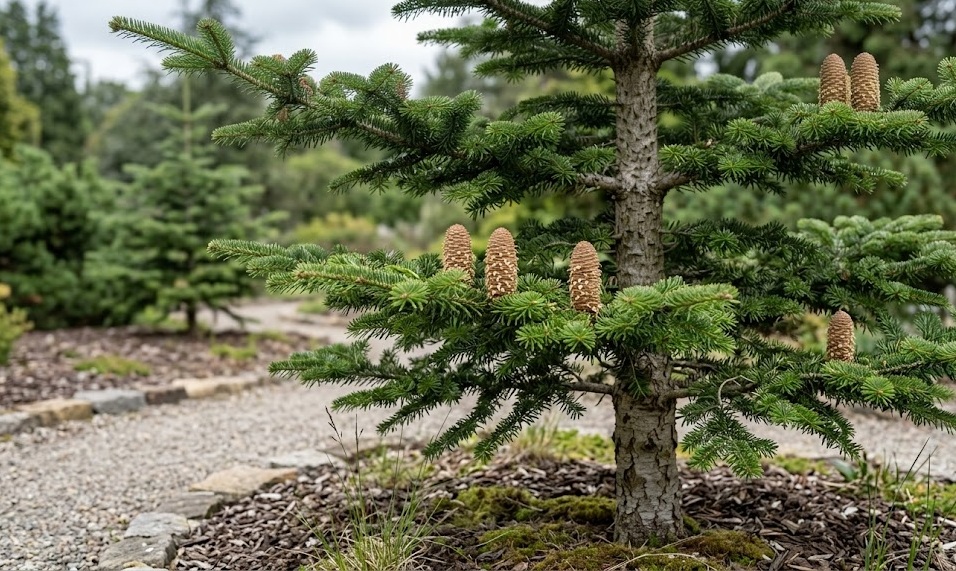

Successfully overwintering the Greek fir requires a proactive strategy that addresses the specific physiological challenges evergreens face during the coldest months of the year. While this species is naturally adapted to cold mountain climates, the combination of frozen soil, dry winds, and fluctuating temperatures in a garden setting can lead to significant stress. You must focus on maintaining hydration, protecting structural integrity, and minimizing the risk of “winter burn” to ensure the tree emerges in spring with its health intact. By following professional standards for winter preparation, you can safeguard your investment and enjoy the beauty of this conifer year-round.
Pre-winter hydration and mulching
The foundation for a successful winter begins long before the first frost settles on the ground. You must ensure that the Greek fir enters the dormant season with its internal water reserves fully replenished, as it will continue to lose moisture through its needles all winter long. If the autumn has been particularly dry, you should provide several deep soakings in October and November to thoroughly saturate the root zone. This “hydration buffer” is essential because once the ground freezes solid, the tree can no longer take up water to replace what is lost to the wind.
Applying a fresh, thick layer of organic mulch is one of the most effective ways to protect the root system from the extremes of winter weather. You should aim for a layer about three to four inches deep, extending out to the drip line of the branches but kept a few inches away from the actual trunk. This mulch acts as an insulator, keeping the soil temperature more stable and preventing the “freeze-thaw” cycles that can heave young trees out of the ground. It also helps to keep the ground from freezing as deeply, allowing the roots to access liquid water for a longer period into the winter.
Choosing the right mulch material can also provide long-term benefits to the soil as it slowly breaks down over the coming months. Shredded bark, wood chips, or even a thick layer of pine needles are excellent choices because they stay in place during winter storms and allow for good air exchange. Avoid using heavy, matting materials like grass clippings or un-shredded leaves, which can block oxygen and create a soggy environment that encourages rot. A well-mulched tree is not only better protected from the cold but will also be more resilient when the summer heat returns.
You should also take the time to remove any late-season weeds from around the base of the tree before applying your winter mulch. These weeds can harbor pests or diseases over the winter and will compete with the tree for moisture as soon as the ground begins to thaw in the spring. Cleaning up the area around the tree provides a neat appearance and reduces the overall biological pressure on the specimen during its period of rest. This simple act of garden hygiene is a hallmark of professional landscape maintenance.
More articles on this topic
Protection against wind and sun scald
Winter desiccation, or “winter burn,” is the primary cause of needle browning in Greek firs during the cold months. This happens when bright winter sun and dry winds pull moisture out of the needles while the roots are stuck in frozen soil and cannot replace it. You might consider building a temporary windbreak using burlap and wooden stakes for younger or more exposed trees. This screen should be placed on the windward side to deflect the harshest gusts without completely enclosing the tree, which could lead to overheating on sunny days.
Sun scald is another winter issue that can damage the bark of young Greek firs, especially on the south or southwest side of the trunk. This occurs when the warm afternoon sun “wakes up” the cells in the bark, which are then immediately killed when the temperature drops rapidly after sunset. You can prevent this by using white tree wraps or plastic guards that reflect the sunlight and keep the trunk at a more consistent temperature. These protectors should be removed in the early spring to prevent moisture and pests from accumulating against the bark as the weather warms.
For high-value specimens, the use of anti-desiccant sprays can provide an extra layer of protection against the drying effects of the winter air. These sprays create a thin, waxy film over the needles that reduces the rate of transpiration without interfering with the tree’s natural processes. You should apply these products on a calm, dry day in late autumn when the temperature is still above freezing but the tree has mostly stopped growing. Keep in mind that these sprays eventually wear off, so a second application may be needed during a mid-winter thaw for maximum effectiveness.
Monitoring the tree throughout the winter will help you identify if your protective measures are working or if they need adjustment. If you notice the needles on the windward side beginning to turn a dull bronze color, it may be a sign that your windbreak needs to be larger or more robust. While some minor browning is normal for many evergreens in winter, excessive damage can weaken the tree and stunt its growth in the following year. Being proactive with these physical barriers is the best way to ensure your tree remains a vibrant green focal point.
More articles on this topic
Managing heavy snow and ice loads
The Greek fir has a naturally strong, conical shape that is designed to shed snow, but extreme winter storms can still pose a threat to its structural integrity. You should avoid the urge to shake or beat the branches to remove heavy snow, as cold wood is very brittle and can easily snap under the pressure. Instead, use a soft broom or your hands to gently lift the branches from underneath, allowing the snow to slide off naturally. If the branches are encased in ice, it is best to leave them alone entirely and let the ice melt on its own to avoid tearing the bark.
Proper pruning throughout the year is your best long-term defense against snow and ice damage in the winter. By ensuring that the tree has a single, strong leader and well-spaced lateral branches, you reduce the chances of limbs crossing and trapping heavy loads of snow. If you do notice any broken or split branches after a storm, you should wait for a day when the temperature is above freezing to make clean, professional cuts. Removing damaged wood promptly prevents the entry of pests and diseases once the spring thaw begins.
For younger trees that are still somewhat flexible, you can use soft twine to lightly “spiral” the branches upward toward the trunk before the first heavy snows. This technique provides extra support and keeps the limbs from splaying outward under the weight of wet snow, which can permanently deform the tree’s shape. Be careful not to tie the twine too tightly, as you don’t want to restrict air circulation or damage the tender needles. This temporary “corset” should be removed as soon as the threat of heavy snow has passed in the spring.
Ice storms are particularly dangerous because the sheer weight of the ice can cause even large, healthy limbs to fail without warning. If an ice storm is predicted, you should ensure that any nearby structures or power lines are not in the “fall zone” of the tree’s branches. In the aftermath of such a storm, it is often best to hire a professional arborist to assess the damage and perform any necessary high-altitude pruning. Your safety should always come first when dealing with the potential for falling limbs in a winter landscape.
Transitioning into the spring season
As the days begin to lengthen and the ground starts to thaw, the Greek fir will slowly emerge from its dormant state and begin its new cycle of growth. You should avoid the temptation to remove winter protection too early, as late-season frosts and winds can be just as damaging as mid-winter extremes. A good rule of thumb is to wait until the ground has completely thawed and the risk of a deep freeze has largely passed. Once the burlap screens and trunk wraps are removed, you should inspect the tree carefully for any signs of winter damage that may need attention.
The early spring is the ideal time to provide the tree with its first deep watering of the year, especially if the winter was particularly dry or the ground was frozen for a long time. This help “jump-start” the root system and provides the moisture needed for the development of the new buds. You should also check the mulch layer and replenish it if it has become thin or dispersed over the winter months. Maintaining that protective barrier is just as important during the variable weather of spring as it is during the depths of winter.
Observation during the first few weeks of spring will reveal the true success of your overwintering efforts as the buds begin to swell and green up. You should look for uniform growth across the entire canopy, which indicates that the tree maintained a good hydration and nutrient balance throughout the cold months. If some sections of the tree are slower to respond, they may have suffered minor winter injury and will need a bit of extra care and patience to recover. This is also the time to apply a light, balanced fertilizer if your soil tests have indicated a need for supplemental nutrition.
Finally, you should take a moment to reflect on your winter care routine and make notes for the following year. Every winter is different, and what worked well one year might need adjustment the next based on the specific weather patterns you observed. Developing this kind of long-term “garden memory” is what makes you an expert in the care of your specific Greek fir. By continuously learning from your tree and the environment, you ensure its health and beauty for many years of winters yet to come.