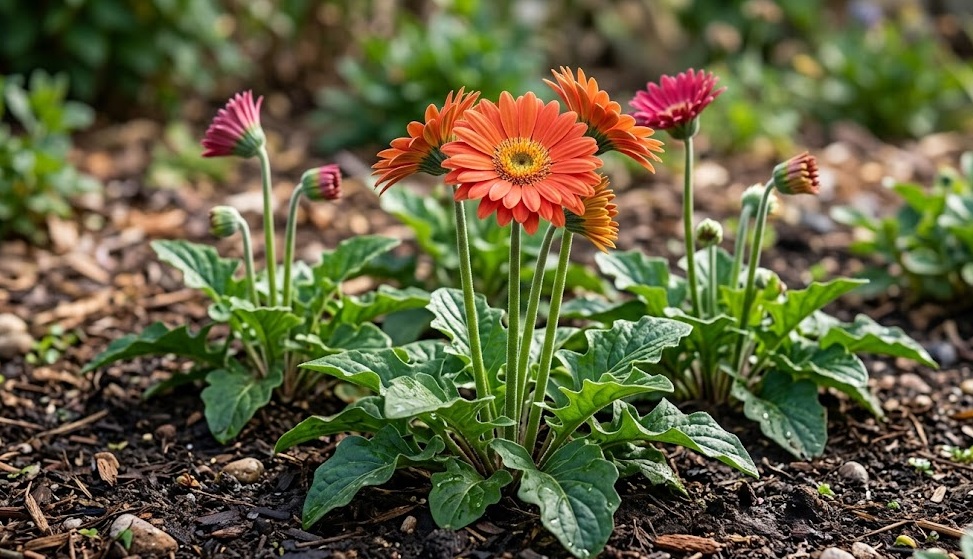

Mastering the art of irrigation is perhaps the most challenging aspect of maintaining these beautiful plants in peak condition. They have a very specific “Goldilocks” requirement when it comes to moisture: the soil must be damp, but never saturated. Overwatering is the most frequent cause of failure, as it quickly leads to the suffocation of the roots and the onset of crown rot. Conversely, allowing the soil to dry out completely will cause the flowers to wilt and the leaves to become brittle.
The best way to determine if a plant needs water is to use your finger to check the moisture level an inch below the surface. If the soil feels dry at that depth, it is time to provide a thorough soaking until water runs out of the drainage holes. If the soil still feels moist, it is better to wait another day before checking again. This manual method is much more accurate than following a strict calendar schedule, as environmental conditions change daily.
Watering should always be done at the base of the plant to keep the foliage and the crown as dry as possible. Water trapped in the center of the leaf rosette is a major cause of fungal infections that can kill the plant from the inside out. Using a watering can with a long, narrow spout allows for precise delivery of water directly to the soil where it is needed. Early morning is the ideal time for this task, as any accidental splashes on the leaves will have all day to evaporate.
The quality of the water used can also affect the health of the plant over a long period. In areas with very hard tap water, the buildup of minerals can eventually change the Ph of the soil and interfere with nutrient uptake. Using rainwater or filtered water is a great way to avoid these issues and keep the plant in its preferred acidic environment. If you must use tap water, letting it sit out for 24 hours can help some of the chlorine to dissipate.
Primary nutrient requirements
To produce those signature large blooms, these plants require a steady supply of essential macronutrients throughout the growing season. Nitrogen is responsible for the lush, green growth of the leaves and the overall size of the plant’s canopy. However, too much nitrogen can lead to an overabundance of foliage with very few flowers being produced. A balanced approach is necessary to ensure the plant has enough energy for both growth and reproduction.
More articles on this topic
Phosphorus is the key nutrient for root development and the initiation of flower buds within the crown. A fertilizer with a higher middle number is often used in the early spring to give the plant a boost as it prepares to bloom. Without sufficient phosphorus, the stems may be weak and unable to support the weight of the heavy flower heads. Ensuring this nutrient is available in the root zone is vital for a successful floral display.
Potassium plays a critical role in the plant’s overall resilience and its ability to regulate water movement within its tissues. It strengthens the cell walls, making the plant more resistant to diseases and environmental stresses like drought or heat. High levels of potassium are especially important during the peak flowering period to maintain the vibrance and longevity of the petals. It also aids in the synthesis of proteins and starches that the plant needs for long-term health.
Using a water-soluble fertilizer allows for the most precise control over the nutrient levels the plant receives. These formulas are quickly absorbed by the roots and provide an immediate response that you can see in the plant’s vigor. It is generally better to use a weaker solution more frequently rather than a very strong dose all at once. This “weakly, weekly” approach prevents the salt buildup that can damage sensitive root tips in containers.
Micronutrients and supplements
Beyond the main NPK components, these plants have a high demand for several micronutrients that are often missing from basic fertilizers. Iron is perhaps the most important of these, as it is essential for the production of chlorophyll in the leaves. A deficiency in iron leads to interveinal chlorosis, where the leaves turn yellow while the veins stay a dark green. This is often a sign that the soil Ph has become too high, making the iron unavailable to the plant.
More articles on this topic
Magnesium is another vital element that acts as the central atom in the chlorophyll molecule, powering the photosynthesis process. Plants that are deficient in magnesium often show yellowing on the older, lower leaves first as the plant moves resources to new growth. Adding a small amount of Epsom salts to the watering routine once a month can provide a quick boost of magnesium. This simple supplement can significantly improve the deep green color of the foliage.
Calcium is necessary for the structural integrity of the cell walls and the development of healthy root tips. In garden beds, calcium is usually abundant, but it can be depleted quickly in potting mixes that are used for multiple seasons. A lack of calcium can lead to distorted new growth and a higher susceptibility to soil-borne pathogens. Including a source of calcium in your fertilization program ensures that the plant remains physically strong and upright.
Trace elements like boron, manganese, and zinc are required in very small amounts, but their absence can cause a variety of growth issues. Most high-quality professional fertilizers include a complete suite of these trace minerals to ensure total plant health. If you are using a basic fertilizer, you might need to supplement with a seaweed extract or a specific micronutrient blend. These “extra” nutrients are what often separate a surviving plant from a truly thriving one.
Fertilizer application schedules
The timing of nutrient delivery is just as important as the type of fertilizer used for these heavy-feeding plants. During the active growth period of spring and summer, the plant can benefit from a feeding every two weeks. This consistent supply of nutrients supports the continuous production of new leaves and the development of multiple flower stalks. As the weather cools in the autumn, the frequency should be reduced to once a month to allow the plant to slow down.
In the winter, fertilization should be stopped completely while the plant is in its dormant or semi-dormant phase. Forcing growth during the short, dark days of winter results in weak, spindly stems that are prone to pests and disease. The plant’s metabolic rate is much lower during this time, and excess fertilizer will simply sit in the soil and potentially burn the roots. Resuming the feeding schedule in late February or March signals the plant to begin its new growth cycle.
Always ensure that the soil is moist before applying any type of liquid fertilizer to the root zone. Applying nutrients to bone-dry soil can cause the concentrated salts to pull moisture out of the roots, leading to chemical burns. It is a good practice to water the plant normally one day and then apply the fertilizer solution the following morning. This ensures that the roots are fully hydrated and ready to absorb the nutrients without any negative side effects.
For plants grown in the ground, a slow-release granular fertilizer applied once in the spring can provide a good base level of nutrition. This can be supplemented with liquid feeds during the peak of the flowering season if the plant appears to need an extra boost. Granular fertilizers are less labor-intensive but offer less control than liquid options, making them a good choice for busy gardeners. Whichever method you choose, consistency is the key to maintaining the high energy levels these plants require.
Recognizing nutrient imbalances
Learning to read the signs that the plant is sending through its leaves is a vital skill for any serious horticulturalist. Yellowing leaves are the most common symptom, but the pattern of the yellowing tells you exactly what is missing. If the entire leaf turns pale yellow, it is often a sign of nitrogen deficiency or a root problem preventing uptake. If only the areas between the veins are yellow, you are likely looking at a shortage of iron or magnesium.
Purplish tints on the undersides of the leaves or on the stems can indicate a lack of phosphorus, especially during cool weather. This is common in the early spring when the soil is still cold, which slows down the movement of phosphorus into the plant. Once the soil warms up, the plant usually recovers on its own, but a quick-acting liquid feed can help. Stunted growth and small, poorly formed flowers are also classic signs that the plant is not getting the nutrition it needs.
Brown, crispy edges on the leaves, known as tip burn, are often a sign of over-fertilization rather than a deficiency. This happens when the salts from the fertilizer build up in the soil and reach toxic levels for the plant. If you suspect this is the case, flushing the soil with a large amount of clear water can help wash away the excess salts. This is a common problem in containers where there is no natural rain to periodically leach the substrate.
Distorted or “crinkled” new growth is frequently a sign of calcium deficiency or a problem with boron levels. These elements are not mobile within the plant, meaning the plant cannot move them from old leaves to new ones. This makes a constant supply in the soil essential for the healthy development of every new leaf and flower. By paying close attention to these visual cues, you can adjust your care routine and prevent minor issues from becoming major disasters.

The “Goldilocks” moisture requirement mentioned in the article is the perfect way to describe the watering needs of Gerberas. I’ve found that watering them early in the morning is the best way to ensure the foliage has time to dry out before the sun goes down, which helps prevent many fungal issues. I also use a soil moisture sensor to help me decide when it’s actually time to water, rather than just following a set schedule. For fertilizer, I’ve had great results with a low-nitrogen, high-phosphorus blend during the peak blooming months to encourage more flowers. It’s also important to flush the soil with plain water every few weeks to prevent any salt buildup from the fertilizer. If you’re growing them in a Mediterranean climate like mine, a light layer of mulch can also help maintain that consistent moisture they love.
Sarah, that morning watering routine is a lifesaver for Gerberas, especially in humid regions where powdery mildew is a constant threat. I’ve also noticed that they are quite sensitive to the chlorine in tap water, so I usually let my watering can sit out for 24 hours before using it. It’s a small extra step that seems to result in healthier-looking foliage and more vibrant blooms over the long term. I agree with you about the salt buildup; it’s one of the most common reasons why Gerberas start to look “tired” mid-season. Giving the pots a good thorough soak with plain water until it runs out the bottom is a simple and effective fix. It’s all about these little details that keep the plants in peak condition throughout the year.