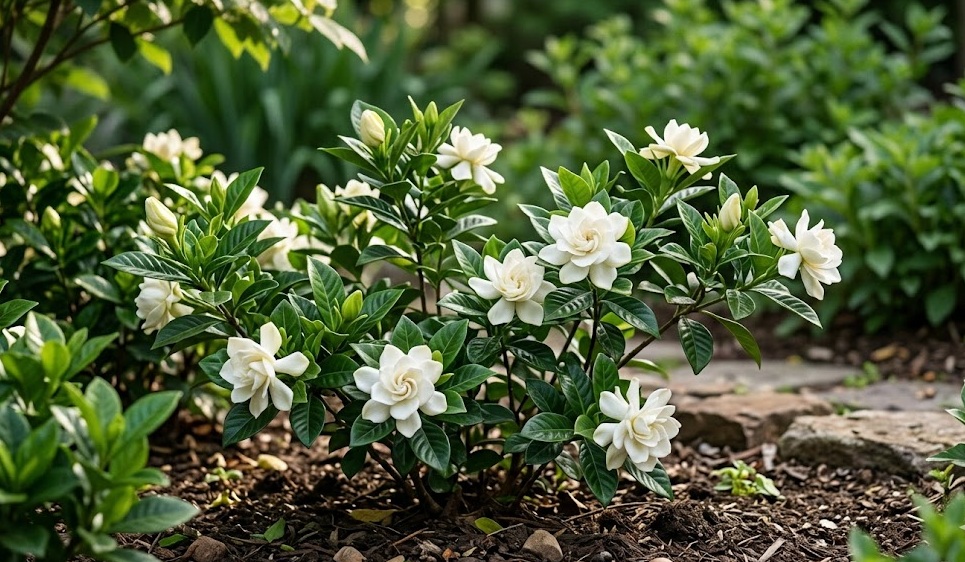

The vitality and flowering potential of a gardenia are directly tied to the precision with which you manage its water and nutrient intake. These plants have evolved in regions with consistent rainfall and nutrient-rich, acidic soils, meaning they lack the mechanisms to cope with prolonged drought or mineral imbalances. Providing the right amount of water at the right time is an art form that requires you to be in tune with the plant’s daily needs and the environmental conditions. Similarly, fertilization must be a carefully measured process that supports growth without causing the chemical burns or salt buildup that can ruin a healthy specimen.
Water quality and its effect on pH
The type of water you use for your gardenias can be just as important as the quantity you provide throughout the week. Many municipal water sources are treated with minerals that can gradually raise the pH of the soil, making it too alkaline for the plant to thrive. If your tap water is “hard” or high in lime, you may notice that the plant’s leaves begin to turn yellow even if you are watering regularly. Rainwater is the ideal choice for gardenias because it is naturally soft and slightly acidic, mirroring the conditions of their native habitat.
If you do not have access to a consistent supply of rainwater, you can treat your tap water to make it more suitable for these acid-loving plants. Adding a small amount of vinegar or a specialized water acidifier can help neutralize the alkalinity and keep the soil pH in the desired range. You should also consider letting tap water sit out overnight before using it to allow any chlorine or other volatile chemicals to dissipate. This simple step can reduce the chemical stress on the sensitive root hairs that are responsible for most of the plant’s water absorption.
Consistency in moisture levels is the goal, but you must avoid the trap of keeping the soil constantly saturated or “soggy.” The roots need oxygen just as much as they need water, and a waterlogged environment will quickly lead to root rot and the death of the plant. You should aim for soil that feels like a wrung-out sponge—moist to the touch but not dripping with excess liquid. Checking the soil moisture by inserting your finger into the top two inches is the most reliable way to determine if it is truly time to water.
During the peak of summer, you may find that the plant’s water needs change rapidly based on the temperature and humidity levels in the air. On very hot or windy days, the leaves may lose moisture faster than the roots can supply it, leading to temporary wilting even if the soil is moist. In these cases, providing a gentle misting or temporary shade can help the plant recover without overwatering the soil. Understanding this dynamic relationship between the roots and the leaves will help you maintain a healthy balance throughout the growing season.
More articles on this topic
Developing a watering schedule
Establishing a regular routine for watering is helpful, but you must remain flexible enough to adjust based on the plant’s immediate feedback. A rigid “once a week” schedule often fails because it doesn’t account for changes in weather, sunlight, or the plant’s stage of growth. You should observe the plant daily and look for subtle signs of thirst, such as a slight loss of luster in the leaves or a drooping of the softest new growth. Watering in the early morning is always preferred, as it gives the foliage time to dry and ensures the plant is hydrated before the heat of the day.
When you do water, it is important to apply it deeply and thoroughly to ensure that the entire root ball is reached by the moisture. Avoid “sip watering,” where you only give a small amount of water to the surface, as this encourages the roots to stay near the top of the pot where they are more vulnerable. Instead, water until you see it running out of the drainage holes at the bottom, which also helps to flush out any accumulated salts from fertilizers. This deep-soaking method encourages a stronger and more resilient root system that can better withstand periods of environmental stress.
The seasonal needs of the gardenia must also be integrated into your long-term watering strategy to ensure year-round health. In the spring and summer, when the plant is actively growing and producing flowers, it will naturally require more frequent and consistent watering. As growth slows in the autumn and the plant enters a rest period in the winter, you should reduce the frequency significantly to match its lower metabolic rate. Overwatering during the winter is a common mistake that often leads to root issues that only become apparent when the plant fails to thrive in the spring.
Container-grown gardenias require even more vigilance than those planted in the ground because their root systems are more exposed and have less soil to buffer changes. The soil in a pot can dry out very quickly, especially if it is made of a porous material like unglazed terracotta or if it is placed in a windy location. You may need to water container plants every day during a heatwave, whereas a garden-planted specimen might be fine for several days. Always treat each plant as an individual and let its specific conditions dictate the amount of water it receives.
More articles on this topic
Essential nutrients for vibrant growth
Gardenias are heavy feeders that require a specific balance of macronutrients and micronutrients to produce their lush foliage and large flowers. Nitrogen is the primary driver of leafy growth and is essential for maintaining the deep green color that is characteristic of a healthy plant. Phosphorus is critical for the development of strong roots and the initiation of the flower buds that will eventually become the plant’s main attraction. Potassium helps with the overall hardiness of the plant, improving its resistance to diseases and its ability to handle temperature fluctuations.
In addition to the main N-P-K components, gardenias have a high requirement for micronutrients, particularly iron, magnesium, and manganese. Iron deficiency is the most common nutritional problem for these plants, manifesting as interveinal chlorosis, where the leaves turn yellow while the veins stay green. This often happens not because iron is missing from the soil, but because the pH is too high for the plant to absorb it effectively. Ensuring that these micronutrients are available in a chelated form can help the plant take them up more easily even in less-than-ideal conditions.
The timing of your fertilization is just as important as the type of nutrients you provide to the plant throughout the year. You should begin feeding your gardenia in the early spring as soon as you see the first signs of new growth appearing on the stems. Continue to provide regular applications every three to four weeks throughout the summer to support the intense energy demands of the flowering season. As the days shorten in the late summer, you should taper off the fertilizer to prevent the plant from producing soft growth that would be vulnerable to the coming winter cold.
Organic fertilizers, such as well-rotted compost, fish emulsion, or seaweed extracts, are excellent choices for providing a slow and steady supply of nutrients. These materials also help to improve the structure of the soil and encourage the growth of beneficial microorganisms that support the plant’s health. Synthetic fertilizers designed specifically for acid-loving plants can also be very effective and are often easier to apply in precise amounts. Regardless of the source, always follow the manufacturer’s instructions carefully, as over-fertilizing can be more damaging than not fertilizing at all.
Recognizing and correcting fertilization issues
One of the most common signs of over-fertilization is the appearance of “burned” or brown edges on the leaves, which occurs when excess salts accumulate in the tissue. This buildup happens because the plant cannot process the high concentration of minerals, leading to dehydration of the leaf margins. If you suspect you have over-applied fertilizer, the best course of action is to flush the soil with large amounts of plain, fresh water to wash away the excess salts. You should then wait several weeks before applying any more nutrients to give the plant time to recover from the chemical shock.
If your gardenia is showing signs of iron chlorosis despite regular feeding, you must first check the soil pH before adding more iron to the mix. Adding more minerals to soil that is too alkaline will not solve the problem and may actually lead to toxic levels of other nutrients. Once the pH is corrected to a range of 5.0 to 6.0, the plant should naturally begin to absorb the iron that is already present in the soil. For a quick green-up, you can apply a foliar spray of chelated iron directly to the leaves, which provides an immediate boost while you work on correcting the soil chemistry.
Slow or stunted growth can sometimes be a sign of nitrogen deficiency, especially if the older leaves are turning a uniform pale yellow or light green. While it is normal for some old leaves to fall as the plant grows, a widespread loss of color usually indicates that the plant is struggling to build new proteins and chlorophyll. Increasing the nitrogen content of your fertilizer for a short period can help stimulate the plant and restore its vibrant appearance. Always monitor the results of any change in fertilization for at least two weeks before making further adjustments.
Salt buildup from synthetic fertilizers can also manifest as a white crust on the surface of the soil or around the rim of the pot. This crust is a physical sign that the soil is becoming saturated with minerals that the plant is unable to use, which can eventually interfere with water absorption. You should periodically scrape off this crust and replace it with fresh potting mix to maintain a clean and healthy environment for the roots. Regularly leaching the soil with plain water is the best preventative measure to keep these salts from reaching harmful levels in the first place.
Long-term nutrient management strategies
As a gardenia matures and its root system fills the available space, its relationship with the soil and nutrients becomes more complex. An older plant in a container may require more frequent, diluted feedings rather than a few heavy applications of fertilizer. This “spoon-feeding” approach ensures that there is always a small amount of nutrients available without risking the spikes in soil chemistry that can stress an established plant. Maintaining a consistent level of nutrition helps the plant maintain its structural integrity and continue to produce high-quality blooms year after year.
Incorporating slow-release fertilizers into the potting mix or soil surface can provide a safety net for those times when your regular schedule might be interrupted. These products are designed to break down gradually over several months, releasing a steady stream of nutrients every time you water the plant. This is particularly useful during the height of the summer when the plant’s metabolic rate is at its highest and its nutrient consumption is most rapid. However, even with slow-release products, you should still monitor the plant’s appearance to ensure it is getting everything it needs.
Soil health is a dynamic process that involves more than just adding chemical elements; it also requires maintaining a living ecosystem within the root zone. Adding organic matter in the form of mulches or compost tea can support the beneficial fungi and bacteria that help break down nutrients for the plant. These microorganisms often form symbiotic relationships with the roots, helping the gardenia survive in challenging conditions and improve its overall resilience. A healthy soil life acts as a buffer, making the plant’s environment more stable and forgiving of minor care mistakes.
Ultimately, the best indicator of a successful watering and fertilizing program is the overall vigor and beauty of your gardenia. A plant that is receiving the perfect balance of resources will have glossy, dark green leaves and will produce an abundance of fragrant flowers during its natural season. By paying close attention to the subtle cues the plant provides, you can fine-tune your approach and become a master of gardenia care. Your dedication to understanding these fundamental needs will be rewarded with a spectacular floral display that is the pride of any garden.
The precision required for watering gardenias cannot be overstated, especially during the peak of the flowering season. I’ve found that using tepid water is much better for the plant than cold water straight from the hose, which can shock the delicate root system. If you see the buds dropping before they open, it is almost always a sign of inconsistent soil moisture. I use a drip irrigation system set on a timer to ensure the soil remains evenly moist without ever becoming soggy. Regarding fertilization, I prefer a water-soluble acidic fertilizer applied at half-strength every two weeks. This prevents the salt buildup that can sometimes occur with heavy applications of granular products.
Jonathan, I totally agree about the water temperature; it’s a small detail that makes a huge difference. I’ve also found that adding a tablespoon of Epsom salts to a gallon of water once a month helps maintain the deep green color of the leaves. It provides a nice magnesium boost that gardenias seem to crave, especially in older specimens. I’m always careful not to over-fertilize in late autumn, as I don’t want to encourage new, tender growth that could be damaged by a sudden cold snap. Have you ever tried using organic fish emulsion as a supplement? I’ve heard mixed things about its effectiveness for acid-loving plants like these.