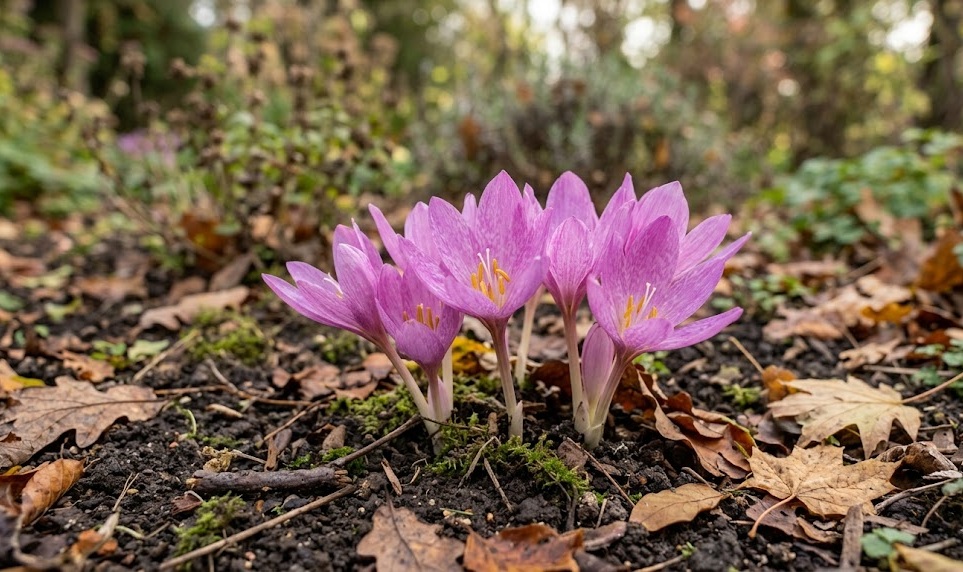

The process of establishing a new colony of anatolian saffron begins with a clear understanding of the timing and technique required for success. Unlike many common garden bulbs that are planted in late autumn, these specialized corms benefit from being handled during their dormant summer period. You must ensure that you are working with high-quality, firm corms that show no signs of soft spots or fungal infection. Starting with healthy material is the most important factor in ensuring that your new planting will thrive and eventually multiply.
When you are ready to begin the planting process, the first step is to prepare the site to the highest professional standards. You should clear the area of all perennial weeds and large stones that might interfere with the growth of the roots. Digging the soil to a depth of at least thirty centimeters allows you to incorporate organic matter and improve the overall structure. This preparation creates a welcoming environment that will support the plant through its initial establishment phase.
The ideal time to plant your corms is during the months of July and August, while they are completely dormant. This timing allows the corm to settle into the soil and begin developing its root system before the flowering trigger occurs in the fall. You should avoid waiting until the flowers have already started to emerge from the corm, as this can cause significant stress to the plant. Getting them in the ground early ensures that they have the best possible start in their new location.
Selecting the right location is not just about the soil, but also about the long-term stability of the site. The anatolian saffron does not like to be moved once it is established, so you should choose a spot where it can remain for many years. You must look for a place that will not be disturbed by future construction or major landscaping changes. A permanent home allows the plant to form large, impressive clumps that will become a highlight of your garden every autumn.
Selecting the perfect site for planting
The environmental conditions of your chosen site will dictate the health and flowering potential of the anatolian saffron for years to come. You should look for a position that offers full sun or very light dappled shade, especially during the spring when the leaves are active. While the flowers appear in autumn, the energy for those flowers is collected by the leaves in the preceding spring months. You must ensure that the site receives at least six hours of direct sunlight during this critical vegetative period.
More articles on this topic
Drainage is the single most important physical characteristic of the site you must evaluate before planting. The anatolian saffron cannot tolerate standing water, which will quickly lead to the rotting of the corms. You should observe the area after a heavy rain to ensure that water does not pool on the surface for more than an hour. If the site is naturally damp, you may need to create a raised bed or install a drainage system to protect your plants.
The presence of nearby trees and shrubs can influence the success of your planting in several ways. Large trees can provide a beneficial windbreak, but their roots may also compete with the saffron for moisture and nutrients. You should plant the corms far enough away from the drip line of large trees to minimize this competition. A professional tip is to look for areas with “deciduous shade,” where the sun reaches the ground in early spring before the trees leaf out.
Finally, consider the soil temperature of the site, as this can affect the timing of the autumn blooms. Sites that are south-facing and sheltered by walls tend to stay warmer and may produce flowers earlier in the season. You can use these microclimates to your advantage to stagger the flowering times across different parts of your garden. Understanding the nuances of your garden’s layout will help you choose the most effective spots for your new saffron colony.
Proper planting techniques for corms
Once you have prepared the site and selected your corms, the physical act of planting must be done with precision. You should dig individual holes or a larger trench that is approximately ten to fifteen centimeters deep. The rule of thumb for most bulbous plants is to plant them at a depth that is three times the height of the corm itself. This depth provides enough protection from frost while still allowing the flower shoots to reach the surface easily.
More articles on this topic
The orientation of the corm in the soil is important, although these plants are surprisingly good at correcting themselves if planted slightly off-center. You should look for the small “scar” where the previous year’s roots were attached and place that side facing downward. The pointed end, where the new growth will emerge, should be aimed toward the sky. If you are unsure, planting the corm on its side is a safe alternative that still allows the plant to grow correctly.
Spacing between the corms should be approximately ten to fifteen centimeters to allow for future expansion of the colony. You should resist the urge to plant them too closely together, as this will lead to overcrowding and a decline in flower quality within a few years. Giving each corm enough space ensures that they have access to their own “territory” for water and nutrients. A professional layout often involves planting in informal groups or drifts rather than stiff, straight lines.
After placing the corms in the holes, you should backfill the area with the prepared soil and firm it down gently with your hands. Avoid using your feet to pack the soil, as this can create too much compaction and potentially crush the delicate corm structures. You should water the area thoroughly immediately after planting to settle the soil and eliminate any large air pockets around the roots. This initial watering helps to “wake up” the corm and encourages the first stage of root development.
Propagation through the division of clumps
As your anatolian saffron colony matures, you will find that the original corms have produced many smaller offsets. Division is the most common and effective way to propagate these plants and expand your collection or share with others. You should plan to divide your clumps every four to five years to maintain the vigor and health of the mother plants. Overcrowded clumps often stop flowering well because the corms are competing too fiercely for limited resources.
The best time for division is during the summer dormancy, usually in July or August when the foliage has completely died back. You should lift the entire clump carefully using a garden fork, being sure to dig wide enough to avoid damaging the corm edges. Once the clump is out of the ground, shake off the excess soil so you can see the individual corms clearly. You will notice that the corms are often joined together in a complex arrangement that needs to be gently separated.
Use your hands to carefully pull the corms apart, ensuring that each piece has its own basal plate and growing point. You should discard any corms that feel soft, show signs of rot, or appear diseased in any way. The larger corms will likely flower the following autumn, while the very small offsets may take a year or two of growth to reach flowering size. This grading of corm sizes allows you to plan your new plantings according to when you expect to see results.
Replant the divided corms as quickly as possible to prevent them from drying out excessively in the air. You should follow the same planting depth and spacing guidelines as you would for new corms purchased from a nursery. Labeling the newly planted areas is a professional touch that helps you keep track of your propagation efforts and different varieties. By dividing your plants regularly, you can turn a single initial planting into a vast carpet of autumn color over a decade.
Growing anatolian saffron from seed
While division is faster, growing anatolian saffron from seed is a rewarding process for the patient and dedicated gardener. This method allows you to produce a large number of plants at a very low cost, although it takes several years to see the first flowers. You should collect the seeds in late spring or early summer when the seed pods have turned brown and are just beginning to split. The seeds are small and dark, and they should be sown while they are still fresh for the best germination results.
Prepare a seed tray or a dedicated nursery bed with a very free-draining compost mix that contains plenty of sand or perlite. You should sow the seeds thinly on the surface and cover them with a light layer of fine grit rather than heavy soil. This grit allows light to reach the seeds while also protecting them from being washed away by rain. Keep the seed containers in a cold frame or a sheltered spot outdoors where they can experience the natural temperature fluctuations of the seasons.
Germination usually occurs in the autumn or the following spring, appearing as tiny, grass-like leaves that are very delicate. You should be extremely careful not to disturb these young seedlings during their first year of growth. They require consistent moisture but must never be allowed to become waterlogged, as their tiny corms are very susceptible to rot. Feed them with a very dilute liquid fertilizer during the spring to encourage the development of the young corm.
It typically takes four to six years for a seedling to grow large enough to produce its first autumn flower. You should pot the young corms into larger containers or move them to their permanent positions after their second or third year of growth. This slow process requires dedication, but it is the only way to potentially discover new variations in color or form. For the professional enthusiast, raising plants from seed is the ultimate way to truly understand the biology of the anatolian saffron.
I have had great results by lifting and dividing my Anatolian saffron every three or four years. This prevents overcrowding and ensures that each corm has enough space and nutrients to produce a strong flower. The best time to do this is in mid-summer once the foliage has completely died back and turned yellow. When replanting, make sure the depth is about three times the height of the corm itself. I like to add a handful of bone meal to the bottom of the planting hole to encourage strong root development. It is amazing how quickly a small group can expand into a beautiful carpet of gold if given the right conditions.