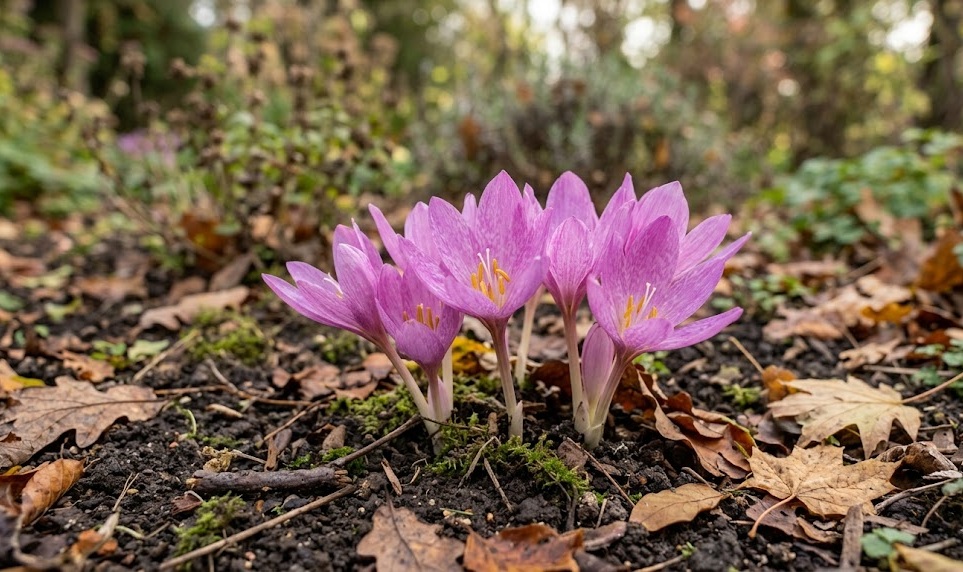

The anatolian saffron is a remarkable plant that brings a burst of life to the garden during the transition from late summer to autumn. Understanding its specific biological requirements is the first step toward ensuring a successful and vibrant display in your landscape. You must consider that these plants originate from mountainous regions where the climate varies significantly between seasons. Providing a stable environment that mimics these natural conditions will encourage the corms to thrive and multiply for many years.
The growth cycle of this species is somewhat unique compared to traditional spring bulbs because it flowers without any leaves present. You will notice the delicate pink or lilac blooms emerging directly from the soil when most other plants are beginning to fade. This characteristic makes them a focal point in any autumn garden design, provided you place them where they can be seen clearly. Proper spacing and location selection are vital components of general care that cannot be overlooked by serious gardeners.
Maintaining the health of the plant throughout the year requires a bit of patience during its dormant periods. After the flowers disappear, the plant enters a rest phase until the following spring when the foliage finally emerges. This foliage is essential for photosynthesizing and storing energy back into the corm for the next flowering season. You should never remove the green leaves until they have completely turned yellow and withered naturally on their own.
A professional approach to care involves monitoring the site for any changes in drainage or competing vegetation. Weeds can quickly overwhelm the small area where the corms are buried, stealing precious nutrients and water. Keeping the soil surface clean and lightly mulched can prevent many common issues associated with neglect. Regular observation during the active growing phases will help you identify any potential problems before they affect the overall health of the colony.
Optimal soil conditions for long term health
The soil quality is perhaps the most critical factor when it comes to the long-term survival of the anatolian saffron. These plants prefer a medium that is rich in organic matter but still offers exceptional drainage to prevent rot. You should aim for a loamy texture that allows roots to penetrate deeply without encountering heavy clay layers. If your garden soil is too heavy, incorporating grit or well-rotted compost can significantly improve the structure for these delicate corms.
More articles on this topic
A slightly acidic to neutral pH level is generally considered ideal for this species to absorb minerals effectively. You can test your soil periodically to ensure it remains within the optimal range for bulbous plants. If the soil becomes too alkaline, you might notice a decline in the vigor of the blooms over several seasons. Adding leaf mold is an excellent way to maintain the organic content while subtly influencing the pH in a favorable direction.
Compaction is a silent enemy of the anatolian saffron and should be avoided at all costs in the planting area. When the soil is stepped on frequently, the air pockets are crushed, which leads to poor aeration and restricted root growth. You should designate specific paths around your flower beds to ensure the ground remains light and friable. This practice ensures that oxygen can reach the corms, which is vital for their metabolic processes during the growing season.
The depth of the soil also plays a role in how well the plant manages temperature fluctuations throughout the year. A deep, consistent soil profile provides a buffer against the intense heat of summer and the freezing temperatures of winter. You should ensure there is at least ten to fifteen centimeters of quality topsoil above the corms. This depth provides enough room for the roots to establish a firm anchor and seek out moisture during drier spells.
Seasonal maintenance and garden integration
Integrating the anatolian saffron into a larger garden scheme requires an understanding of its seasonal “disappearing act.” Because the plant is dormant for much of the year, it is helpful to plant it among low-growing groundcovers. These companion plants can fill the void when the saffron foliage has died back and the flowers have not yet emerged. You must choose companions that do not have aggressive root systems that might choke out the corms.
More articles on this topic
Late spring is the time when the large, tulip-like leaves appear and require your full attention for a few weeks. During this period, the plant is working hard to rebuild its energy reserves for the spectacular autumn show. You should avoid the temptation to tidy up the garden by cutting these leaves back prematurely. Allow the foliage to capture as much sunlight as possible so the corm grows large enough to produce multiple flower stalks.
As summer approaches, the leaves will naturally begin to yellow, signaling the start of the summer dormancy period. This is the time when the plant requires very little interference and should be left relatively dry. You can mark the location of the corms with small stakes to avoid accidentally digging them up during summer weeding. Knowing exactly where they are buried will also help you plan for additional plantings without disturbing the established colony.
Autumn is the season of reward when the flowers suddenly push through the soil surface without warning. You should clear away any fallen leaves or debris that might obstruct the delicate petals as they emerge. This ensures that the blooms are fully visible and can be appreciated for their architectural beauty and soft colors. Once the flowering period ends, the plant begins its winter rest, completing its fascinating and somewhat inverted annual cycle.
Managing the growth cycle effectively
Successful cultivation depends on your ability to work with the plant’s natural rhythm rather than against it. The anatolian saffron does not follow the standard rules of many other ornamental plants you might be familiar with. You need to recognize that the flowering phase is separate from the vegetative phase, which influences all care decisions. This separation means that the most intensive care is often needed when the plant looks the least impressive.
During the vegetative stage in spring, the plant is highly active and requires consistent access to light and nutrients. You should ensure that taller perennials do not shade out the saffron leaves during this critical window of time. If the leaves are shaded, the corm will not receive enough energy, resulting in fewer or smaller flowers in the autumn. Professional gardeners often prune back nearby shrubs to give the saffron foliage the sunlight it needs to succeed.
The transition into summer dormancy is a biological trigger that protects the plant from extreme heat and drought. You should respect this period by reducing any intensive garden activities in the immediate vicinity of the corm site. Disturbing the soil during this time can damage the dormant corms or interfere with the development of the flower buds inside. It is a period of quiet internal transformation that eventually leads to the autumn eruption of color.
When the flowers finally appear in the fall, their lifespan is relatively short but visually high in impact. You can extend the beauty of the display by ensuring the plants are protected from heavy winds or battering rains. Some gardeners use light structures or strategically placed rocks to provide a bit of shelter for the tall, thin flower tubes. This attention to detail ensures that the delicate lilac petals remain in pristine condition for as long as possible.
Enhancing flower production through care
To achieve a truly spectacular blanket of flowers, you must focus on the health of the individual corm over several years. A large, healthy corm is capable of producing more than half a dozen flowers in a single season. You can encourage this growth by providing a balanced environment where competition for resources is minimized. Regular thinning of the colony every few years can also prevent overcrowding, which often leads to smaller and weaker blooms.
The quality of the environment during the dormant summer months actually dictates the quality of the autumn flowers. If the ground remains too wet and cold during the summer, the flower buds may not develop properly within the corm. You should aim for a site that receives plenty of summer warmth, as this “baking” process is natural for Mediterranean species. This warmth helps the plant complete its internal chemical changes that are necessary for the flowering trigger.
Observation is your best tool for improving the performance of your anatolian saffron year after year. Take note of which areas of the garden produce the most vibrant flowers and which ones seem to be struggling. You might find that moving a few corms to a slightly sunnier or better-drained spot makes a world of difference. Small adjustments in your care routine based on these observations will lead to a much more impressive garden display.
While the plant is quite hardy, providing a little extra care during periods of extreme weather can yield better results. For example, if an unseasonably early frost is predicted while the flowers are in bloom, a light covering can preserve them. You should always act with the plant’s long-term health in mind rather than just the immediate visual appeal. Consistent, professional care is the hallmark of a gardener who truly understands the needs of this specialized autumn bulb.
Aesthetic considerations and placement
The placement of the anatolian saffron within the garden layout is just as important as the physical care it receives. Because the flowers are relatively low to the ground and lack foliage, they can easily get lost in a large, busy border. You should consider planting them in drifts of ten or twenty corms to create a significant visual impact. This grouping mimics the way they often grow in the wild, creating a more natural and professional appearance.
Using contrasting textures and colors in the surrounding area can make the lilac blooms of the saffron pop. You might plant them near dark-leaved heucheras or silvery artemisia to provide a sophisticated background for the flowers. The goal is to create a scene where the saffron is the undisputed star of the late-season garden. You should avoid planting them near large-leaved plants that might flop over and hide the delicate autumn blooms.
Rock gardens are an ideal setting for these plants because they provide the excellent drainage and stony soil the species loves. The rugged appearance of the stones provides a beautiful contrast to the soft, ephemeral nature of the saffron petals. You can tuck the corms into crevices or small pockets of soil between large boulders for a very authentic look. This environment also helps to keep the flowers clean by preventing soil from splashing onto the petals during rain.
Finally, consider the viewing angle when deciding where to plant your collection of anatolian saffron. Because they bloom when many people are spending less time in the garden, place them near windows or entryways. You will appreciate the sight of the bright flowers every time you leave or enter your home during the cooling autumn days. This thoughtful placement ensures that your hard work in caring for the plants is fully appreciated throughout the season.
Long term sustainability of the colony
The goal for any expert gardener should be the creation of a self-sustaining colony that returns every year with more vigor. The anatolian saffron is naturally inclined to multiply by producing small offsets, or “cormlets,” around the base of the parent corm. You can support this process by ensuring the soil remains fertile and undisturbed for long periods of time. A stable environment allows the colony to expand naturally and fill the available space with a dense carpet of flowers.
Avoid the use of heavy chemical treatments in the area where your saffron is planted, as these can disrupt the soil biology. Healthy soil is full of beneficial fungi and microorganisms that help the corm roots absorb nutrients more efficiently. You should rely on organic methods of pest control and soil enrichment to keep the ecosystem in balance. A professional, ecological approach will always yield better long-term results for bulbous plants like the saffron.
Record keeping is a valuable practice for managing a growing collection of rare or specialized plants. You should keep a garden journal to note when the leaves emerge, when the flowers bloom, and any care tasks you performed. This information becomes an invaluable resource as the years go by, helping you refine your techniques for your specific microclimate. You will be able to see patterns and predict the needs of your plants with much greater accuracy.
Ultimately, the care of the anatolian saffron is about respecting the unique life cycle of a plant that bridges the seasons. By providing the right soil, light, and protection, you are ensuring that this beautiful species remains a part of your garden for decades. You should take pride in cultivating a plant that requires a bit of specialized knowledge and professional attention. The reward is a stunning autumn display that signals the quiet beauty of the changing year.
The Anatolian saffron, or Crocus ancyrensis, is a delightful harbinger of the changing seasons. One critical aspect of their care is ensuring the soil is very well-drained, especially during their dormant summer period. If the corms sit in wet soil during the summer, they are highly prone to fungal rot. I have found that planting them in a rock garden or on a slight slope works wonders for their longevity. They also benefit from a top-dressing of grit or sharp sand to keep the neck of the plant dry. While they are hardy, a sudden late frost can damage the emerging flowers, so keep some horticultural fleece handy just in case.