
Mastering the balance of hydration and nutrition is essential for cultivating anise hyssop that is both visually stunning and physically resilient. While this species is celebrated for its ability to withstand dry periods once established, its performance can be significantly enhanced through strategic interventions. Professional growers understand that the needs of the plant shift as it moves through different stages of its life cycle and seasonal changes. Providing the right resources at the right time ensures a lush canopy of foliage and a profusion of aromatic flowers.
Understanding hydration needs during establishment
The first few months after planting are the most critical time for managing the water requirements of anise hyssop. During this period, the root system is actively expanding into the surrounding soil and needs consistent moisture to support new growth. You should check the soil moisture levels daily, especially during hot or windy weather that can quickly dry out the surface. Aim to keep the soil damp but never saturated, as excess water can lead to the death of young, sensitive roots.
Deep watering is far more effective than frequent shallow applications because it encourages the roots to grow further down into the soil profile. By saturating the root zone and then allowing the top layer to dry slightly, you build a more drought-tolerant plant for the future. You can use a soaker hose or drip irrigation system to deliver water directly to the base of the plant, minimizing waste and leaf wetness. This method also reduces the likelihood of soil-borne diseases splashing onto the foliage during the watering process.
Environmental factors like soil type and wind exposure will dictate how often you need to provide supplemental hydration. Sandy soils drain quickly and will require more frequent attention than loam or amended clay. In contrast, plants located in sheltered areas may retain moisture longer than those exposed to drying breezes. Observing the plant for signs of slight wilting in the late afternoon can help you calibrate your watering schedule to match the specific needs of your garden.
As the plant matures and its root system becomes more extensive, you can gradually reduce the frequency of watering. Mature anise hyssop is remarkably efficient at extracting moisture from deeper soil layers, allowing it to survive periods of moderate drought. However, providing a deep soak during prolonged dry spells in the heat of summer will keep the foliage looking fresh and prolong the blooming period. Finding the equilibrium between over-care and neglect is the mark of a truly skilled gardener.
More articles on this topic
Nutritional requirements and organic amendments
Anise hyssop is not a heavy feeder and can thrive in soils with moderate fertility without the need for intensive chemical inputs. In fact, excessive nitrogen can lead to rapid, weak growth that makes the plant more susceptible to pests and storm damage. A slow-release approach to nutrition is usually best, focusing on building long-term soil health rather than providing quick bursts of energy. Incorporating a layer of high-quality compost around the base of the plant each spring is often all the fertilization needed.
The role of organic matter in the soil extends beyond providing simple nutrients like nitrogen, phosphorus, and potassium. It improves the soil’s ability to hold water while also creating a better structure for root penetration and aeration. As compost breaks down, it feeds the beneficial soil microbes that help the plant absorb minerals more efficiently. This holistic approach creates a self-sustaining system that requires less intervention from the gardener over time.
If you choose to use commercial fertilizers, look for a balanced, organic product with a low N-P-K ratio. Applying these products in early spring just as the new growth begins provides the necessary support for the upcoming season of rapid development. Avoid fertilizing late in the summer, as this can stimulate new growth that won’t have time to harden off before the first frost. Consistency and moderation are the keys to maintaining a healthy nutritional balance for your perennial herb.
Monitoring the color and size of the leaves can provide valuable feedback about the plant’s nutritional status. Pale or yellowing leaves may indicate a deficiency that requires a light application of a balanced organic liquid feed. Conversely, extremely dark green foliage and a lack of flowers might suggest that the soil is too rich in nitrogen. Adjusting your practices based on these visual cues ensures that the plant remains in its optimal state for growth and fragrance.
More articles on this topic
Impact of drainage on watering strategies
Proper drainage is perhaps the most important factor in the long-term survival and health of anise hyssop. Even with careful watering, plants in heavy, non-porous soil are at high risk for root rot and other moisture-related ailments. You must ensure that excess water can move away from the root zone quickly after a heavy rain or irrigation event. If you notice water pooling around the plants for more than an hour, it is a clear sign that the drainage needs improvement.
Incorporating grit, coarse sand, or expanded shale into the planting hole can help create the necessary macropores for water movement. This is especially important in urban gardens where soil compaction is a frequent issue for many perennial species. Raised beds are another excellent solution for providing the sharp drainage that anise hyssop and other prairie plants crave. By elevating the root zone, you protect the plant from the saturated conditions that often occur in low spots of the landscape.
During the winter months, the plant’s tolerance for wet soil decreases significantly as it enters a state of dormancy. Saturated ground during cold weather is the leading cause of winter kill for this species in many temperate climates. Selecting a planting site on a slight slope or in a well-amended border can provide the protection needed during the dormant season. Understanding the physical properties of your soil allows you to tailor your watering habits to prevent unnecessary stress.
Mulching can also play a role in managing drainage and moisture levels throughout the year. A thin layer of inorganic mulch like pea gravel can protect the crown from excess moisture while still allowing water to reach the roots. In contrast, thick layers of heavy organic mulch can sometimes trap too much moisture against the stems during wet periods. Choosing the right mulch and applying it at the correct depth is a subtle but effective way to influence the plant’s microenvironment.
Seasonal adjustments to hydration and feeding
As the seasons transition, so do the metabolic demands and resource requirements of your anise hyssop plants. In the cool, moist days of early spring, nature often provides enough hydration for the emerging shoots to develop without help. However, as the temperatures rise and the days lengthen in June, the plant’s demand for water increases exponentially. This is the time to transition into a more regular monitoring routine to support the development of the flower spikes.
The peak of summer heat often coincides with the most intensive flowering period, requiring the plant to work at its maximum capacity. During these weeks, supplemental watering becomes a vital task to maintain the turgidity of the stems and the vibrancy of the blooms. If the plant experiences severe water stress at this stage, it may drop its lower leaves or shorten its flowering cycle. Providing a consistent supply of moisture ensures that the garden remains a lush oasis for both people and pollinators.
As autumn approaches and the daylight hours decrease, the plant naturally begins to slow its growth and prepare for dormancy. You should gradually reduce the frequency of watering to signal this change and allow the tissues to begin the hardening process. Feeding should be completely stopped by mid-to-late August to prevent the stimulation of tender new growth. This seasonal tapering of resources is a natural part of the plant’s lifecycle and helps it survive the coming winter.
Understanding these natural rhythms allows you to work with the plant rather than against it throughout the year. Experienced gardeners develop a “sixth sense” for when their plants need attention by simply observing the environment and the plant’s posture. This proactive and intuitive approach leads to a more harmonious gardening experience and better results for the anise hyssop. Each year provides a new opportunity to refine these skills and deepen your understanding of the plant’s needs.
Optimizing resources for maximum flower production
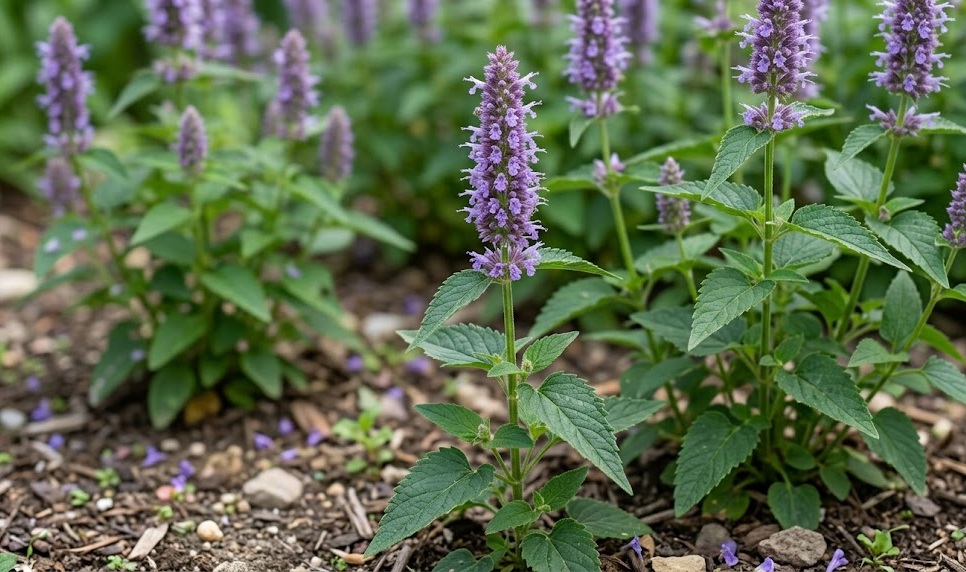
The ultimate reward for careful watering and fertilizing is a spectacular display of purple flowers that lasts for many weeks. Phosphorus and potassium are the two primary nutrients that support robust flowering and strong stem development. While compost usually provides enough of these, a light application of bone meal or wood ash in spring can offer an extra boost. Healthy plants with deep root systems are always the most productive when it comes to floral output.
Consistency in moisture levels prevents the physiological stress that can cause flower buds to abort before they open. When a plant feels “secure” in its resource supply, it can invest more energy into the reproductive phase of its lifecycle. This results in longer flower spikes and a more concentrated production of nectar and essential oils. The difference between a struggling plant and a thriving one is often found in the reliability of its basic care.
Deadheading spent flowers not only improves the appearance of the plant but also influences how it uses its remaining nutrients. By preventing seed formation, you keep the plant’s energy focused on maintaining its current blooms and potentially producing new ones. This intervention is most effective when combined with a light watering to help the plant recover from the minor stress of pruning. It is a simple way to maximize the “return on investment” for the resources you have provided.
Finally, remember that every garden is a unique microclimate with its own specific set of challenges and opportunities. What works in one area might need adjustment in another, so always prioritize your own observations over generic advice. By paying close attention to how your anise hyssop responds to your watering and feeding routines, you will eventually find the perfect balance. This personalized care is what transforms a collection of plants into a truly exceptional and professional-grade garden.