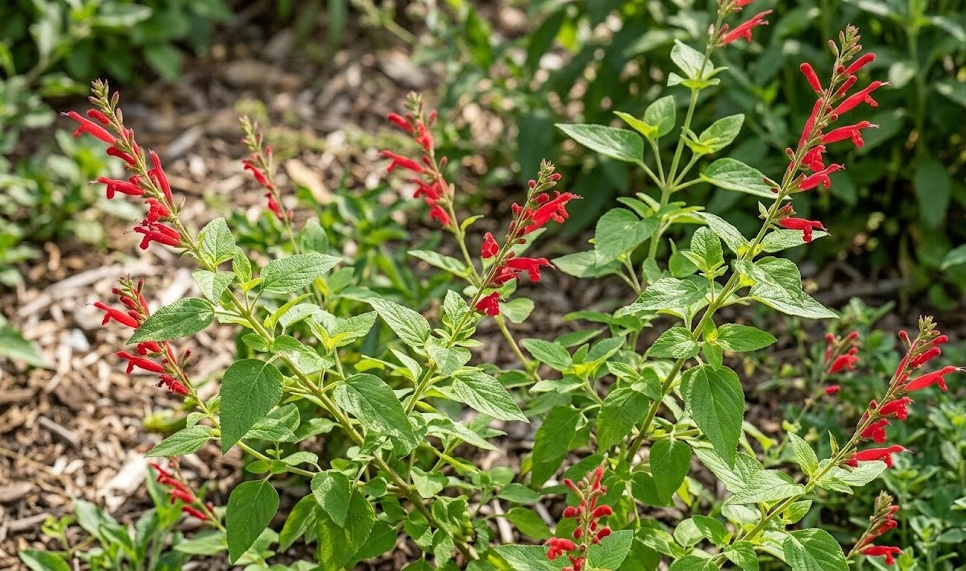

Maintaining the health of pineapple sage involves a proactive approach to identifying and managing various biological threats. While this plant is generally resilient and features natural pest-deterrent properties due to its aromatic oils, it is not entirely immune to problems. Fungal infections and certain sap-sucking insects can quickly compromise the vigor of the plant if left unchecked. By understanding the common signs of distress and the environmental conditions that favor these issues, you can take steps to protect your garden. A healthy plant is the best defense against any pathogen or pest that might come its way.
The environment you create for your sage plays a massive role in whether diseases will take hold or not. High humidity and poor air circulation are the primary drivers for most fungal issues that affect the foliage. In contrast, certain pests are more likely to appear when the plant is already stressed by drought or poor nutrition. This means that many of the “problems” you see are actually symptoms of underlying cultural issues that need to be addressed. Professional garden management is about treating the cause, not just the symptom.
Pests like aphids, whiteflies, and spider mites are some of the most common visitors you might encounter on your sage. These small but destructive insects can multiply rapidly, causing stunted growth and distorted leaves as they feed on the plant’s vital juices. Identifying them early is crucial because a small population is much easier to manage than a full-blown infestation. You should make it a habit to inspect the undersides of the leaves regularly, as this is where most pests like to hide and reproduce.
In this chapter, we will discuss the specific diseases and pests that are most likely to affect pineapple sage and how to handle them professionally. We will look at both organic and traditional methods for control, as well as the preventative measures that can stop problems before they start. Our goal is to provide you with the knowledge to keep your plants looking their best all season long. With a little bit of vigilance and the right techniques, you can ensure your pineapple sage remains a highlight of your garden.
Fungal infections and prevention
Powdery mildew is perhaps the most common fungal disease that affects many Salvia species, including pineapple sage. It appears as a white, flour-like dusting on the surface of the leaves, which can eventually lead to yellowing and premature leaf drop. This fungus thrives in conditions where the days are warm and the nights are cool and humid. While it usually doesn’t kill the plant, it significantly weakens it and ruins the aesthetic appeal of the foliage.
More articles on this topic
To prevent powdery mildew, you should focus on improving the air circulation around and through the plant. This can be achieved by proper spacing at the time of planting and by thinning out some of the internal stems if the plant becomes too dense. You should also avoid overhead watering, which keeps the leaves wet for extended periods and provides a perfect germination site for fungal spores. If an infection does occur, a simple spray made of milk and water or a neem oil solution can often keep it under control.
Root rot is another serious fungal issue that is almost always caused by poor drainage or overwatering. The symptoms include a sudden wilting of the plant that does not improve after watering, accompanied by a darkening and softening of the stems at the soil line. If you dig up a plant with root rot, the roots will appear black and mushy rather than firm and white. Unfortunately, once root rot has taken hold of the main crown, it is very difficult to save the plant, so prevention is absolutely key.
Leaf spot is a different type of fungal infection that manifests as small, dark lesions on the foliage, often surrounded by a yellow halo. These spots can merge over time, causing large areas of the leaf to die and fall off. This disease is most prevalent during rainy seasons when the leaves stay wet for several days in a row. Removing and destroying any infected leaves is an important step in preventing the spread of the spores to healthy parts of the plant or to other nearby sage.
Common insect pests
Aphids are tiny, soft-bodied insects that come in a variety of colors, including green, black, and red. They cluster on the tender new growth at the tips of the stems, sucking out the sap and secreting a sticky substance called honeydew. This honeydew can then attract ants and provide a growing medium for black sooty mold, further damaging the plant’s appearance. A strong blast of water from a garden hose is often enough to dislodge aphids and keep their numbers in check.
More articles on this topic
Whiteflies are another frequent pest, especially for plants grown in greenhouses or in very sheltered garden spots. When you disturb a plant infested with whiteflies, they will rise up in a small, white cloud before settling back down on the undersides of the leaves. Like aphids, they feed on sap and can transmit viral diseases from one plant to another. Yellow sticky traps can be very effective at monitoring their presence and reducing the adult population before they can lay more eggs.
Spider mites are microscopic pests that are most active during hot, dry weather when the plant is under water stress. You might notice fine webbing between the stems or a characteristic stippling on the leaves, where tiny white or yellow dots appear. If left untreated, the leaves will eventually turn bronze or brown and fall off as the mites drain the life from the cells. Increasing the humidity around the plant and keeping it well-watered are natural ways to discourage spider mites from taking up residence.
Mealybugs look like small, white tufts of cotton and are usually found in the junctions where the leaves meet the stems. They are particularly difficult to get rid of because their waxy coating protects them from many contact insecticides. If you only have a few, you can dab them with a cotton swab dipped in rubbing alcohol to kill them instantly. For larger infestations, you may need to use an insecticidal soap or a systemic treatment to fully clear the plant of these stubborn pests.
Natural pest control methods
Encouraging beneficial insects to live in your garden is one of the most effective and sustainable ways to manage pests. Predators like ladybugs, lacewings, and hoverflies feed on aphids, mites, and whiteflies, providing a natural balance to the ecosystem. You can attract these “garden heroes” by planting a variety of flowering herbs and flowers that provide them with pollen and nectar. A diverse garden is much more resilient to pest outbreaks because the natural enemies are already on-site and ready to work.
Neem oil is a fantastic organic tool that works as both an insecticide and a fungicide, making it a versatile choice for sage care. It works by disrupting the hormonal systems of insects, preventing them from feeding or reproducing, and it also coats fungal spores to stop them from spreading. Because it is derived from a natural source, it is generally safe for humans and pets when used according to the label. It is best applied in the early morning or late evening to avoid burning the leaves in the direct sun.
Insecticidal soaps are another great option for controlling soft-bodied pests like aphids and whiteflies. These soaps work by breaking down the outer protective layer of the insect, causing it to dehydrate and die quickly. It is important to use a product specifically designed for plants rather than regular dish soap, which can contain harsh chemicals that damage the foliage. You must ensure that you spray the undersides of the leaves directly, as the soap only works if it comes into contact with the pest.
Using physical barriers or companion planting can also help to steer pests away from your pineapple sage. For example, some gardeners use floating row covers to protect young plants during the peak of the pest season. Planting strong-smelling herbs like garlic or chives nearby can also help to mask the scent of the sage and confuse searching insects. These “low-tech” solutions are often overlooked but can be incredibly effective when used as part of a comprehensive management strategy.
Environmental factors affecting health
Abiotic factors, or non-living environmental stressors, can often be mistaken for diseases or pest damage. For example, leaf scorch can occur when the plant is exposed to intense sunlight after a period of cloudy weather, or if it is not receiving enough water to keep up with evaporation. The edges of the leaves will turn brown and crispy, looking very similar to some fungal infections. Understanding the recent weather patterns and your own care routine will help you distinguish between environmental stress and a biological attack.
Nutrient imbalances can also manifest in ways that look like disease, such as the yellowing of leaves caused by a lack of nitrogen or magnesium. If the soil pH is too high or too low, the plant may be unable to absorb certain minerals even if they are present in the dirt. This can lead to stunted growth and a general lack of vigor that makes the plant more susceptible to actual diseases. Regular soil testing is a professional habit that takes the guesswork out of diagnosing these types of issues.
Pollution and chemical drift from nearby lawn treatments or industrial areas can also damage the sensitive foliage of pineapple sage. Some herbicides can cause the leaves to twist, curl, or develop unusual color patterns that can easily be confused with a viral infection. If you notice a sudden and widespread change in the plant’s appearance that doesn’t fit a typical pest or disease profile, consider looking at the surrounding area for potential chemical sources. Protecting your plants from these external threats is an important part of overall garden health.
Finally, the physical structure of your garden can influence the health of your plants by creating pockets of stagnant air or excessive heat. A plant tucked into a corner with no breeze is much more likely to develop fungal problems than one in an open, airy spot. Similarly, plants next to a white wall may experience higher temperatures due to reflected light, increasing the risk of heat stress and spider mites. Take a holistic look at your garden’s layout to see if there are any environmental changes you can make to support your plants.
Identifying and treating root rot
Root rot is often a “silent killer” because by the time you see the symptoms above ground, the damage below is already extensive. The most telling sign is a plant that remains wilted even after the soil has been watered, indicating that the roots are no longer functioning. You may also notice a foul, swampy smell coming from the soil if the rot is particularly advanced. If you suspect root rot, you must act quickly to have any chance of saving the specimen or preventing the spread to neighboring plants.
The first step in treatment is to stop all watering and carefully remove the plant from the ground or its container. Gently wash away the soil from the roots so you can clearly see the extent of the damage and identify any healthy tissue. Healthy roots should be firm and light in color, while diseased ones will be dark, mushy, and may easily pull away from the plant. Use a sterilized pair of scissors to prune away all of the affected roots, being careful to only leave the healthy ones behind.
After pruning the roots, it is often helpful to also prune back some of the foliage to reduce the stress on the remaining root system. This balance ensures that the smaller root mass can still provide enough water and nutrients to keep the rest of the plant alive. You should then replant the sage in fresh, well-draining soil and consider adding a handful of perlite or sand to improve the aeration. Avoid fertilizing immediately, as the plant needs to focus all its energy on regrowing its roots rather than producing new leaves.
Prevention remains the best strategy, and it starts with choosing the right site and the right pot for your sage. Always ensure there are plenty of drainage holes in your containers and avoid using heavy, clay-rich soil that holds onto water for too long. If your garden has a high water table or poor drainage, consider growing your pineapple sage in raised beds. By managing the soil environment effectively, you can almost entirely eliminate the risk of this devastating disease and enjoy a healthy, vibrant garden.