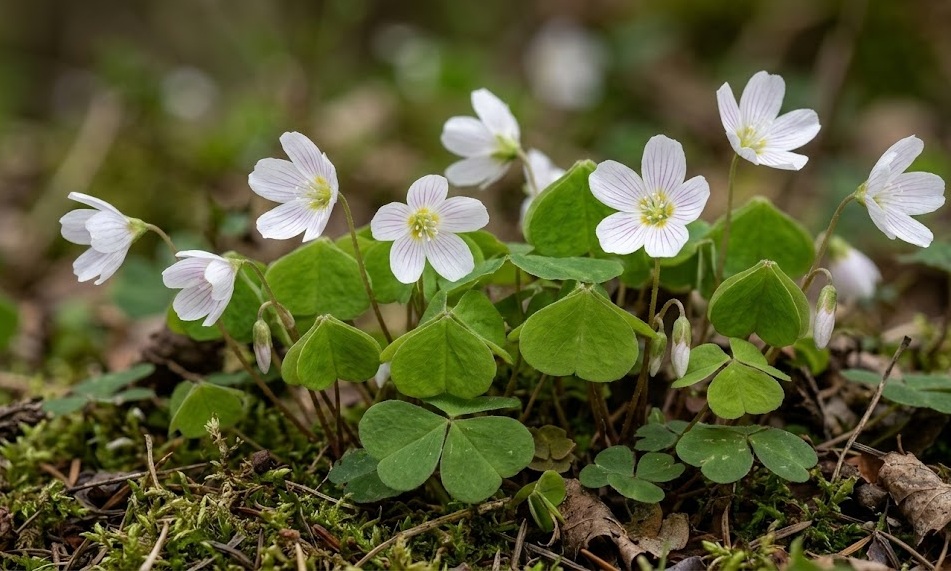

Ensuring the survival of the wood sorrel during the cold winter months is a fundamental part of its long-term care routine. While this species is naturally adapted to temperate climates, extreme conditions can still pose a threat to its shallow rhizomes. A professional gardener prepares for the winter well in advance to protect the investment of time and effort made during the growing season. By understanding the dormancy process, you can ensure that your plants return with vigor once the spring thaw arrives.
The wood sorrel typically enters a state of dormancy as the days shorten and the temperatures begin to drop in late autumn. During this time, the foliage will naturally yellow and die back as the plant pulls its energy down into the underground rhizomes. This is a normal and necessary part of its lifecycle that allows it to survive the harsh conditions of winter. You should resist the urge to fertilize or overwater the plant at this stage, as it needs to rest and prepare for the cold ahead.
Protecting the planting site from extreme frost and temperature fluctuations is the primary goal of overwintering. In its native forest habitat, a thick layer of fallen leaves and snow provides natural insulation for the soil and the dormant plants. In a garden setting, you can replicate this by applying a generous layer of mulch over the entire area where the wood sorrel is growing. This simple step can make a significant difference in the survival rate of the colony, especially in regions with very harsh winters.
For wood sorrel grown in containers, the overwintering process requires a slightly different approach to ensure success. Pots are more exposed to the cold than the ground, and the soil within them can freeze and thaw repeatedly, which is very stressful for the roots. Moving the containers to a sheltered spot or an unheated greenhouse can provide the necessary protection from the worst of the winter weather. Monitoring the moisture levels in the pots remains important even during dormancy to prevent the rhizomes from drying out.
Cold hardiness and dormancy
The wood sorrel is remarkably hardy and can withstand temperatures well below freezing as long as its rhizomes are protected. Its dormancy is triggered by environmental cues such as decreasing light levels and the first touch of frost in the autumn. During this period, the plant’s metabolic processes slow down significantly, and it becomes much more resilient to environmental stress. Understanding this natural cycle is key to providing the right kind of care during the transition into winter.
More articles on this topic
Frost heaving is a common problem in the winter, where the repeated freezing and thawing of the soil can push the shallow rhizomes to the surface. Once exposed to the cold, dry air, these sensitive structures can quickly perish or become damaged by the elements. A thick layer of mulch helps to stabilize the soil temperature and prevent this heaving from occurring in the first place. Checking the planting site after a major freeze-thaw cycle will allow you to gently push any exposed rhizomes back into the safety of the soil.
The length and depth of dormancy can vary depending on the specific variety of wood sorrel and the local winter conditions. Some plants may remain dormant for several months, while others might start to show signs of life during a particularly mild spell in late winter. It is important not to disturb the soil or the dormant plants during this time, as they are very fragile and easily damaged. Let the plant follow its own internal clock and wait for the natural signals of spring to begin its new growth.
Snow cover is actually a very beneficial form of insulation for woodland plants during the coldest part of the winter. A steady layer of snow keeps the soil temperature relatively constant and protects the ground from the drying effects of cold winds. If you live in an area with reliable snow cover, your wood sorrel is likely to overwinter very successfully with minimal extra help. In areas with cold but dry winters, the gardener must be more proactive in providing supplemental insulation for the planting.
Protection for outdoor specimens
The best way to protect outdoor wood sorrel is to apply a layer of organic mulch in the late autumn before the ground freezes. Materials like shredded leaves, pine needles, or straw are excellent choices because they provide good insulation while still allowing for air movement. The mulch should be about five to ten centimeters thick and spread evenly across the entire area where the plants are established. This layer will also help retain some moisture in the soil, which is important for the survival of the dormant rhizomes.
More articles on this topic
In areas that experience particularly harsh winds, you may want to provide additional physical protection for your wood sorrel patch. A simple windbreak made of burlap or a low fence can help reduce the desiccation caused by cold, dry air moving across the site. This is especially important for plantings that are located in open or exposed parts of the garden. Creating a sheltered microclimate will significantly improve the overall health and survival rate of your woodland perennials over the winter.
Avoid cutting back the dead foliage too early in the autumn, as the old leaves can provide a small amount of extra protection for the crown of the plant. It is better to wait until the spring when the new growth is just starting to appear before you tidy up the area. Leaving some natural debris in place also provides a habitat for beneficial insects that may be overwintering in your garden. A slightly “messy” garden in the winter is often a healthier one for the plants and the local ecosystem.
If you have a particularly valuable or rare variety of wood sorrel, you might consider lifting a small portion of the rhizomes to overwinter in a more controlled environment. This acts as an insurance policy in case the main outdoor colony suffers from an unusually severe winter. These lifted sections can be stored in a cool, dark place in a box of slightly damp sand or peat. In the spring, they can be replanted in the garden once the danger of hard frost has passed and the soil has begun to warm.
Indoor overwintering techniques
If you are growing wood sorrel in pots, the most effective way to overwinter them is to move them into a cool, protected space. An unheated garage, a shed with a window, or a cold frame are all excellent options for providing the right winter environment. The goal is to keep the plants cold enough to remain dormant but protect them from the most extreme freezing temperatures. Avoid bringing them into a heated house, as the warmth and dry air will disrupt their dormancy and stress the plant.
Watering during the indoor overwintering period should be done very sparingly and only when the soil feels quite dry to the touch. The dormant plants do not need much moisture, but the soil should not be allowed to become completely bone-dry for extended periods. Check the pots every few weeks and add just enough water to keep the rhizomes hydrated without saturating the soil. Overwatering is the most common cause of failure when overwintering plants in containers, so proceed with caution.
The light levels in your overwintering space do not need to be very high while the plants are fully dormant and have no leaves. However, as the end of winter approaches, a small amount of light can help the plant prepare for the coming spring. If the space is very dark, you may want to move the pots to a slightly brighter spot once the days start to get noticeably longer. This gentle transition helps the plant’s internal clock stay in sync with the natural world outside.
Pests can sometimes become a problem even in an unheated overwintering space, so keep an eye out for any signs of trouble. Slugs or certain insects may find the sheltered environment attractive and could damage the dormant rhizomes or early spring shoots. If you notice any issues, treat them promptly using the organic or biological methods discussed in previous chapters. Maintaining a clean and well-ventilated space will help minimize the risk of pests and diseases during the winter months.
Transitioning back to spring
As the weather begins to warm and the first signs of spring appear, it is time to start transitioning your wood sorrel back into its active growth phase. For outdoor plants, this involves gradually removing the winter mulch as the soil warms up and the first new shoots emerge. Be careful not to disturb the tender young leaves, which can be very sensitive to sudden changes in temperature or light. Leaving a thin layer of mulch in place can still be beneficial for retaining moisture throughout the coming year.
For plants that have been overwintered in containers, the move back to their outdoor location should be done gradually. Start by placing them in a sheltered spot during the day and bringing them back inside at night for a week or two. This process, known as hardening off, allows the plants to acclimate to the increased light levels and variable outdoor temperatures. Once the danger of hard frost has passed, the pots can be returned to their permanent positions in the garden or on the patio.
Spring is also the best time to assess how well your wood sorrel has survived the winter and to make any necessary adjustments. If you notice that some areas have not returned, you can fill in the gaps with divisions from healthier parts of the colony. This is also the ideal time to add a light top-dressing of compost or leaf mold to provide the nutrients needed for the new season. A fresh start in the spring will help the plants grow quickly and produce a beautiful display of foliage and flowers.
Monitoring the moisture levels in the soil is particularly important during the early spring transition period. The combination of increasing temperatures and new growth means that the plant’s demand for water will start to rise quickly. Ensure that the soil stays consistently damp but not waterlogged as the wood sorrel establishes itself for the new year. With the right care during the winter and a smooth transition into spring, your wood sorrel will continue to be a highlight of your woodland garden.