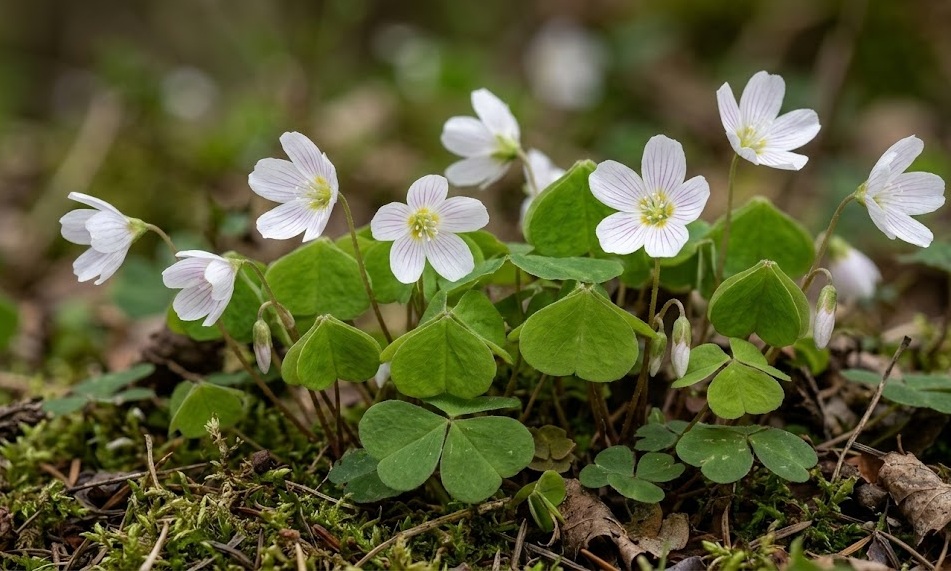

The wood sorrel is generally a robust plant, but it can occasionally fall victim to various biological threats in the garden. Identifying these issues early is the key to preventing a minor problem from turning into a widespread disaster for your colony. A professional approach to plant health involves both proactive prevention and targeted, environmentally responsible treatments. By understanding the common enemies of this woodland species, you can keep your plants in peak condition throughout the year.
Fungal infections are among the most frequent problems encountered when growing this species, especially in damp or humid conditions. These pathogens often thrive in stagnant air and can quickly spread across the delicate foliage of a crowded planting. Maintaining good air circulation and avoiding overhead watering are two of the most effective ways to reduce the risk of infection. If you do notice signs of disease, it is important to act quickly to remove and destroy any affected plant material.
Pests like slugs, snails, and certain small insects can also find the tender leaves of the wood sorrel to be an attractive food source. While a small amount of damage is usually tolerable, a large population of pests can significantly weaken the plants and spoil their appearance. Natural predators like birds, frogs, and predatory insects should be encouraged in the garden to help keep pest numbers in check. Chemical controls should only be used as a last resort and with great care for the surrounding ecosystem.
Environmental stress can often make the plant more susceptible to both diseases and pests by weakening its natural defenses. A plant that is struggling with drought, heat, or improper soil pH will have fewer resources to dedicate to protecting itself from attack. Therefore, providing optimal growing conditions is the first and most important line of defense against any biological threat. Healthy, vigorous plants are much better equipped to survive and recover from the occasional encounter with a pathogen or pest.
Common fungal infections
Rust is a specific type of fungal disease that can occasionally affect the wood sorrel, appearing as small, orange or yellow pustules on the undersides of the leaves. This fungus thrives in moist conditions and can cause the foliage to become distorted and eventually drop prematurely. To manage rust, you should remove any infected leaves as soon as you see them and ensure the plants are not overcrowded. In severe cases, an organic fungicide based on sulfur or copper may be necessary to bring the infection under control.
More articles on this topic
Powdery mildew is another common fungal issue that presents as a white, dusty coating on the surface of the leaves and stems. It is often found in areas with high humidity but poor air circulation, such as dense garden corners or crowded indoor spaces. This disease can hinder photosynthesis and lead to a general decline in the plant’s vigor and aesthetic appeal. Improving the airflow around the plants and reducing the humidity can help prevent the mildew from taking hold and spreading.
Leaf spot diseases, caused by various fungi or bacteria, can result in brown or black spots with distinct borders appearing on the foliage. These spots can eventually merge, causing large sections of the leaf to die and fall off the plant. Removing fallen leaves and debris from around the base of the plants will help eliminate the overwintering sites for these pathogens. If the problem persists, avoid watering the plants from above and consider thinning the colony to improve light penetration and air movement.
Root rot is perhaps the most serious fungal threat, as it attacks the plant’s underground rhizomes and can quickly lead to its death. It is almost always caused by excessively wet or poorly drained soil that provides the perfect environment for soil-borne pathogens. Symptoms include wilting, yellowing, and a general lack of vigor, even when the soil appears to be moist. The best prevention is to ensure your wood sorrel is planted in well-draining soil and to avoid overwatering at all times.
Identifying pest infestations
Slugs and snails are notorious for their love of damp, shady gardens and can cause significant damage to the tender leaves of the wood sorrel. They typically feed at night, leaving behind characteristic silvery slime trails and large, ragged holes in the foliage. You can manage these pests by removing their hiding places, such as large stones or piles of damp wood, from near your planting. Manual removal in the late evening or the use of organic slug pellets can also be effective in reducing their numbers.
More articles on this topic
Aphids are small, sap-sucking insects that can sometimes be found clustering on the new growth or the undersides of the leaves. They can cause the foliage to become curled, yellowed, and sticky with a substance known as honeydew. A strong blast of water from a garden hose is often enough to dislodge these pests and prevent them from causing serious harm. If the infestation is large, an application of insecticidal soap or neem oil can help eliminate the colony without harming beneficial insects.
Spider mites are tiny pests that thrive in dry, warm conditions and can occasionally become a problem for wood sorrel grown in containers or sheltered spots. They are often difficult to see with the naked eye, but their presence is indicated by fine webbing and a stippled or yellowed appearance of the leaves. Increasing the humidity around the plants and regular misting can help deter these mites from establishing themselves. If necessary, a specialized miticide can be used to treat a persistent infestation in a professional and targeted manner.
Vine weevil larvae can be a particularly destructive pest for plants with shallow roots or rhizomes like the wood sorrel. The adult beetles feed on the edges of the leaves, while the creamy-white larvae eat the roots and underground structures during the winter. This can lead to the sudden collapse and death of the plant in the spring when it should be entering its active growth phase. Biological controls, such as beneficial nematodes, are a highly effective and environmentally friendly way to manage this hidden threat.
Natural and biological controls
Encouraging a diverse and healthy ecosystem in your garden is the most sustainable way to manage pests over the long term. Many common garden inhabitants, such as ground beetles, ladybugs, and lacewings, are natural predators of the insects that attack wood sorrel. Providing a variety of habitats, including some wilder areas and a range of different plants, will help attract and maintain these beneficial species. A balanced garden is often capable of regulating its own pest populations without the need for human intervention.
Birds are another valuable ally in the fight against slugs, snails, and various insects that might harm your woodland plants. Providing bird feeders, birdbaths, and nesting sites will encourage them to spend more time in your garden and help keep the pest levels under control. Toads and frogs are also excellent hunters of slugs and can be attracted to your garden by the presence of a small pond or damp rockery. Working with nature rather than against it is a core principle of professional and ecological gardening.
Companion planting can be an effective way to naturally deter certain pests from your wood sorrel patch. Some plants produce scents or chemicals that are unattractive to common garden pests and can provide a protective barrier for their neighbors. For example, planting alliums or certain herbs nearby may help reduce the incidence of aphids and other sucking insects. Researching the relationships between different plant species can help you design a more resilient and self-protecting garden environment.
Biological control products, such as specific strains of bacteria or predatory mites, are increasingly available for use in the home garden. These products target specific pests while leaving other beneficial organisms unharmed, making them a safe and professional choice. It is important to follow the application instructions carefully to ensure the biological agents can establish themselves and do their work effectively. Using these targeted solutions is a modern and responsible approach to managing plant health in any setting.
Chemical treatment protocols
If a disease or pest infestation becomes so severe that the survival of the wood sorrel colony is threatened, chemical treatments may be necessary. Always choose the least toxic option available and ensure it is specifically labeled for use on the target pest or disease. It is professional practice to spot-treat only the affected areas rather than applying chemicals to the entire garden. This reduces the risk of harming non-target organisms and minimizes the environmental impact of the treatment.
When applying any chemical product, it is essential to follow all safety precautions, including wearing protective clothing and avoiding windy days. Follow the mixing and application rates provided by the manufacturer exactly to avoid damaging the plants or the soil. It is often better to apply treatments in the early morning or late evening when beneficial insects like bees are less active. Be aware of the potential for runoff into nearby water sources and take steps to prevent any contamination.
Regular monitoring of the treated plants is necessary to determine if the chemical intervention has been successful. You may need to repeat the application after a certain period of time to catch any newly emerged pests or to break the disease cycle. Keep a record of what products you used, when they were applied, and what the results were for future reference. This information will help you refine your pest and disease management strategy over time and lead to better results.
Transitioning back to organic and preventative methods should be the goal as soon as the immediate threat has been eliminated. Chemical treatments should never be seen as a substitute for good cultural practices like proper watering, fertilizing, and site selection. By addressing the underlying causes of the plant’s susceptibility, you can reduce the need for further chemical interventions in the future. A professional gardener uses all the tools at their disposal but always prioritizes the long-term health of the ecosystem.
Preventative health measures
The most effective way to manage diseases and pests is to prevent them from becoming established in the first place. This starts with selecting healthy, disease-free plants from a reputable source when you are starting your wood sorrel colony. Inspect any new additions to your garden carefully for signs of pests or pathogens before you put them in the ground. Quarantining new plants for a few weeks in a separate area can help ensure you are not introducing any hidden problems to your garden.
Maintaining a clean and tidy garden environment is another key aspect of preventative health care for your plants. Remove any fallen leaves, dead stems, and other debris that can provide a breeding ground for pests and diseases. This is particularly important in the autumn and winter when many pathogens and insects seek out sheltered spots to overwinter. A well-maintained garden is not only more beautiful but also much more resistant to the buildup of biological threats.
Rotating your plantings or giving the soil a rest every few years can help break the lifecycle of soil-borne pests and diseases. If a particular patch of wood sorrel consistently suffers from the same problem, it may be a sign that the pathogen is permanently established in that spot. Moving the plants to a new location with fresh soil can often provide a clean start and allow the colony to regain its vigor. This proactive approach is a hallmark of professional and thoughtful horticultural management.
Finally, stay informed about the common pests and diseases in your local area and be on the lookout for any new or emerging threats. Joining a local gardening club or following professional horticultural publications can provide valuable information and early warnings. By being proactive and observant, you can catch most problems in their early stages when they are much easier to manage. A healthy and thriving garden is the result of consistent attention, expert knowledge, and a genuine passion for the natural world.