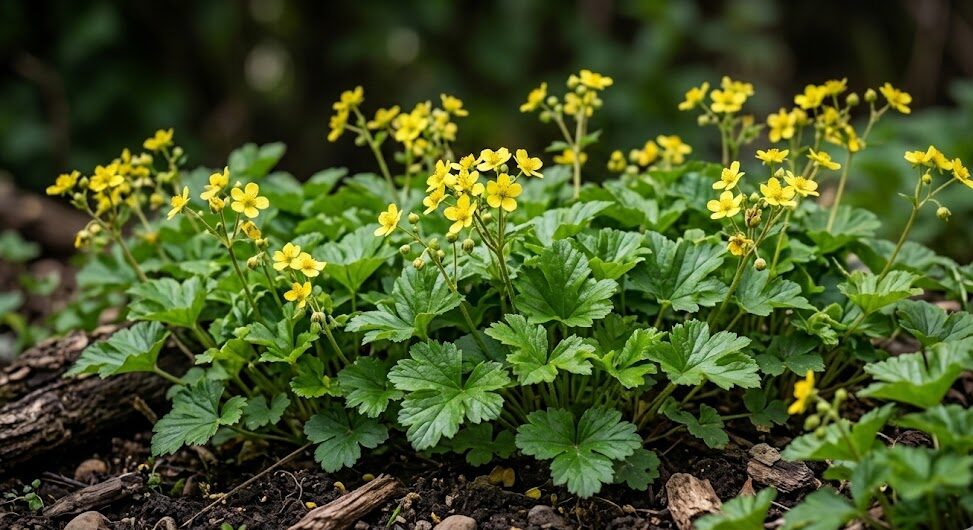

Maintaining a healthy garden environment for this versatile groundcover requires a steady commitment to understanding its natural growth patterns and specific ecological needs. You must look at the overall health of the plant throughout the seasons to ensure it continues to provide the lush green carpet your landscape deserves. This species is remarkably resilient, but like all living organisms, it thrives best when its basic requirements for soil, space, and cleanliness are met consistently. By following a structured care routine, you can ensure that your plants remain vibrant and dense for many years to come.
General maintenance practices
Daily observation is the first step in successful plant management because it allows you to catch minor issues before they become significant problems. You should focus on keeping the area around the plants free from invasive weeds that might compete for nutrients and light. Regularly removing spent foliage and any fallen debris from nearby trees will help maintain a clean look and prevent rot. These simple tasks create a foundation for a healthy garden bed that remains attractive throughout the growing season.
The density of the foliage is a key indicator of the plant’s overall health and vitality in your specific garden location. If you notice thinning patches, it might be an indication that the soil is becoming compacted or that the plant needs a nutrient boost. You can gently aerate the soil around the edges of the clumps to encourage new runners to take root and fill in the gaps. Consistent monitoring of these growth patterns ensures that the groundcover remains effective at suppressing weeds and protecting the soil surface.
Seasonal transitions require specific attention to help the plant adapt to changing temperatures and moisture levels in the environment. During the peak of summer, you may need to provide additional shade or moisture if the leaves show signs of scorching or wilting. In the autumn, focus on clearing away heavy layers of fallen leaves that could smother the evergreen foliage during the winter months. Proper seasonal care ensures that the plant enters and exits dormancy with enough energy to produce a beautiful spring display.
Professional gardeners often emphasize the importance of understanding the plant’s lifecycle to optimize the timing of maintenance activities. You should avoid heavy intervention during the flowering period to allow the plant to focus its energy on bloom production and pollinator attraction. Once the flowering is complete, you can safely perform more intensive cleaning or soil adjustments without stressing the plant. This rhythmic approach to gardening honors the natural cycles of the species while achieving your aesthetic goals.
More articles on this topic
Soil and site optimization
Creating the perfect soil environment is essential for the long-term success of this hardy woodland native in your landscape. You should aim for a soil structure that is rich in organic matter and provides excellent drainage while retaining some moisture. Incorporating well-rotted leaf mold or compost into the planting area will simulate the natural forest floor conditions that the plant loves. Testing the soil pH periodically ensures that the acidity levels remain within the slightly acidic to neutral range for optimal nutrient uptake.
Proper drainage is a non-negotiable factor because stagnant water can quickly lead to root decay and a decline in plant health. You can improve heavy clay soils by adding coarse sand or fine grit to increase the pore space and facilitate better water movement. If your site is naturally prone to wetness, consider planting on a slight slope or creating raised beds to lift the crowns above the saturation zone. A well-drained site prevents many of the common fungal issues that can plague groundcovers in humid or rainy climates.
Compaction is a common problem in established garden beds, especially in areas with high foot traffic or heavy rainfall. You should avoid walking directly on the plant carpet, as this compresses the soil and limits the oxygen available to the roots. If the soil does become hard, a gentle turning of the surface mulch and light aeration can help restore the necessary structure. Healthy soil biology, supported by minimal disturbance, allows the roots to spread easily and establish a strong, resilient network.
Nutrient availability is directly linked to the quality of the soil and the presence of beneficial microorganisms in the root zone. You can support this biological activity by avoiding harsh chemical treatments that might disrupt the delicate balance of the soil ecosystem. Using organic mulches that break down over time provides a slow-release source of food for both the soil and the plants. This holistic approach to soil management ensures that your groundcover has everything it needs to sustain its growth over many seasons.
More articles on this topic
Garden placement strategies
Selecting the right location in your garden is the most important decision you will make when incorporating this groundcover into your design. You should look for areas that receive dappled sunlight or partial shade, mimicking the edges of a woodland where this species naturally occurs. Avoid placing it in spots that receive intense, direct afternoon sun, as this can lead to leaf burn and increased water stress. A thoughtful placement strategy reduces the amount of maintenance required and ensures the plant remains a low-effort addition to your yard.
The plant excels as a filler under large deciduous trees where many other species might struggle due to shade and root competition. You should consider using it to define pathways or to create a soft transition between wooded areas and more formal garden sections. Because it spreads via runners, it is also an excellent choice for stabilizing soil on gentle slopes and preventing erosion during heavy rains. Its ability to thrive in diverse microclimates makes it a versatile tool for any professional landscape designer or home gardener.
Compatibility with neighboring plants is another factor to consider when deciding where to install your new groundcover. You should pair it with other woodland favorites like ferns, hostas, and bleeding hearts to create a multi-layered and visually interesting garden bed. Since it is not overly aggressive, it can coexist with established perennials without completely overwhelming them or stealing their resources. Designing with ecological compatibility in mind creates a more stable and self-sustaining garden community.
Air circulation is often overlooked but is crucial for maintaining healthy foliage and preventing the buildup of humidity-related diseases. You should avoid planting it in deep, stagnant pockets where air cannot move freely through the leaves and stems. Providing a bit of space between the groundcover and solid structures like walls or dense hedges can help maintain a healthier environment. Good airflow allows the foliage to dry quickly after rain, which is a key preventative measure against common garden pathogens.
Seasonal care cycles
Spring is the time for renewal and is when you should focus on cleaning up any winter damage and preparing for the growth spurt. You should carefully trim away any browned or tattered leaves that may have suffered from frost or cold winds during the winter. This is also the ideal time to apply a light layer of fresh compost to provide the energy needed for the upcoming flowering period. Taking these steps early in the season ensures that the plant looks its best when the bright yellow flowers appear.
Summer care is primarily focused on moisture management and protecting the plants from the stresses of heat and drought. You should monitor the soil moisture regularly, especially during prolonged dry spells or heatwaves, to prevent the roots from drying out. If you notice the plants looking a bit tired, a light organic mulch can help cool the soil and reduce evaporation. Maintaining a steady environment during the hottest months will prevent the plant from going into a premature semi-dormancy.
Autumn marks the transition toward the dormant period, and your care should shift toward protection and soil enrichment. You should remove any heavy accumulations of fallen leaves from other trees to prevent the evergreen foliage from rotting underneath. This is also a good time to check for any areas where the runners have strayed outside their intended boundaries and trim them back. Preparing the site in the fall reduces the workload in the spring and helps the plant survive the winter months with ease.
Winter care is minimal but remains important for ensuring the plant survives the coldest temperatures without significant loss. You should avoid disturbing the plants when the ground is frozen, as this can damage the delicate root systems and the crown. If you live in an area with very little snow cover but intense cold, a light layer of evergreen boughs can provide extra protection. Respecting the plant’s need for rest during the winter allows it to return with vigor once the temperatures begin to rise again.
Groundcover management
Managing the spread of a groundcover is a balancing act between encouraging growth and maintaining the desired garden boundaries. You should regularly check the perimeter of the planting area to ensure the runners are staying within their allotted space. If the plant begins to creep into lawns or other garden beds, simply cut the runners and move them back or remove them entirely. Consistent boundary management keeps your garden looking tidy and prevents the plant from becoming a nuisance to its neighbors.
Filling in bare spots is a common task that ensures a uniform and dense carpet of green throughout your landscape. You can encourage the plant to colonize empty areas by pinning down runners with small wire staples to help them take root more quickly. Providing a little extra water and soft soil in these specific spots will also accelerate the establishment of new plantlets. A dense cover is the best defense against weeds, so proactive management of bare patches is highly beneficial for the whole garden.
Interplanting can be a great way to add seasonal interest and diversity to your groundcover area without disrupting the main plants. You should consider planting spring bulbs like crocuses or small daffodils directly into the groundcover mat for a burst of early color. The foliage of the groundcover will help hide the dying leaves of the bulbs later in the season, creating a seamless and natural look. This multi-story approach to gardening maximizes the use of space and increases the overall biodiversity of your yard.
Thinning out older sections of the planting can occasionally be necessary to rejuvenate the bed and encourage fresh, healthy growth. You should look for areas where the crowns have become overly congested or where the plants seem to be losing their vigor. By removing some of the older material and adding a bit of fresh soil, you can stimulate the remaining plants to produce new runners. This periodic rejuvenation ensures that the groundcover remains a long-term asset to your landscape design.
Nutrient cycles and feeding
Understanding how nutrients move through the soil and into your plants is a fundamental part of professional garden care. You should rely primarily on organic matter to provide a steady supply of nutrients rather than using fast-acting synthetic fertilizers. The natural decomposition of mulch and leaf litter provides a complex array of minerals that support healthy growth and strong immune systems. This slow-release approach prevents the leggy, weak growth that often results from excessive nitrogen applications.
Micronutrients are just as important as the primary ones, and they are often found in high-quality compost or seaweed-based soil conditioners. You can apply a diluted liquid organic feed once or twice during the early growing season to give the plants a gentle boost. Focus on products that support root health and overall resilience rather than just rapid leaf production. Healthy roots are the foundation of a plant that can withstand environmental stress and bounce back quickly from challenges.
Soil biology plays a critical role in nutrient availability, as microbes break down organic matter into forms that plants can actually absorb. You should avoid using heavy pesticides or fungicides that might harm the beneficial fungi and bacteria living in the soil. Promoting a healthy soil food web ensures that your plants have a self-sustaining source of nutrition that works with nature rather than against it. A living soil is much more effective at supporting long-term plant health than a sterile one.
Observation of the foliage color and growth rate will tell you everything you need to know about the plant’s nutritional status. You should look for signs of yellowing or stunted growth, which might indicate a need for more organic matter or a slight change in soil pH. If the plants are dark green and spreading steadily, they likely have all the nutrients they need from their current environment. Trusting your eyes and the plant’s feedback will help you avoid over-fertilizing and maintain a balanced garden ecosystem.
Long-term sustainability
Building a sustainable garden means choosing plants that are well-adapted to your local conditions and require minimal external inputs over time. You should view this groundcover as a long-term investment that will eventually take care of itself once it is fully established. By focusing on soil health and proper placement from the beginning, you reduce the need for supplemental water and chemical treatments. A sustainable garden is not only better for the environment but also more rewarding and less stressful for the gardener.
Biodiversity is a key component of a resilient landscape, and including a variety of native and non-invasive species supports local wildlife. You should appreciate the role this plant plays in providing shelter for beneficial insects and spiders that help control pests naturally. The small flowers also provide a food source for pollinators during the mid-spring when other resources might be scarce. Integrating your groundcover into a larger ecological framework enhances the overall health of your entire outdoor space.
Water conservation is an increasingly important part of modern gardening, and this plant is an excellent choice for low-water landscapes. You should aim to reach a point where the groundcover acts as a living mulch, keeping the soil cool and moist even during dry periods. Once the roots are deep and the canopy is closed, the plant’s demand for supplemental irrigation will drop significantly. This efficiency makes it an ideal plant for anyone looking to reduce their environmental footprint while maintaining a beautiful yard.
Passing on gardening knowledge and sharing divisions of your plants with neighbors is a great way to build a community of sustainable gardeners. You should encourage others to try this reliable species in their own shade gardens or difficult-to-manage areas. Sharing successful techniques and plant material helps spread the benefits of low-maintenance, hardy groundcovers throughout your local area. In the end, a successful garden is one that brings joy and beauty while working in harmony with the natural world.

