
Proper pruning and cutting techniques are essential for maintaining the health and aesthetic appeal of your yellow-flowering bulbs. You should approach these tasks with a professional mindset, focusing on the long-term vitality of the plant rather than just short-term tidiness. While bulbs do not require the intensive pruning of shrubs, knowing when and how to remove old growth is vital for a high-quality display. A precise and well-timed approach to maintenance ensures that your garden always looks its best.
The primary goal of cutting back is to remove dead or diseased tissue and to prevent the plant from wasting energy on seed production. You should always use clean, sharp tools to make your cuts, as this minimizes the risk of introducing pathogens into the bulb. Every cut you make is a potential entry point for disease, so a professional level of hygiene is absolutely necessary. Taking care of your equipment is the first step in taking care of your garden and its inhabitants.
You must also understand the difference between removing spent flowers and cutting back the foliage, as they happen at different times and serve different purposes. Deadheading is a task for the late spring and early summer, while foliage removal is a mid-summer job. Mixing up these two tasks can significantly weaken the bulbs and result in a poor show of flowers the following year. A professional gardener follows a strict calendar to ensure that every task is performed at the optimal moment.
Finally, remember that the goal of pruning is to work with the natural life cycle of the plant, not to fight against it. You should always wait for the plant to signal when it is ready to be cut back by turning its leaves yellow and dry. Forcing a plant into dormancy early by cutting green leaves is a common mistake that can lead to smaller bulbs and fewer flowers. Patience and observation are the most important tools in your gardening toolkit when it comes to maintenance.
Removing spent blooms
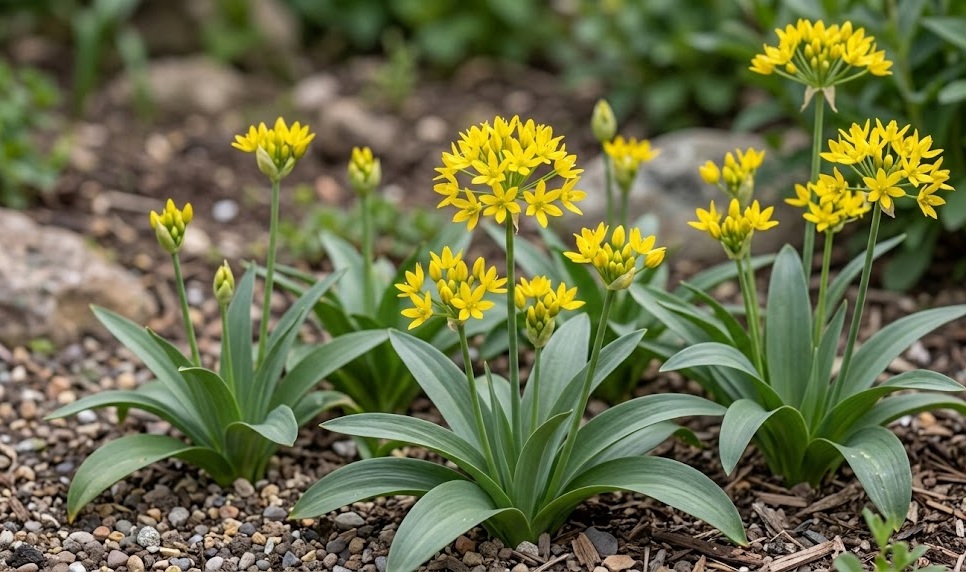
Deadheading is the professional term for removing the flower heads as soon as they have finished their display and started to fade. You should use your pruners to cut the flower stalk off near the base, taking care not to damage the surrounding green leaves. Removing the old flowers prevents the plant from putting its energy into creating seeds, which it does not need for ornamental purposes. By stopping seed production, you encourage the plant to send all that extra energy back down into the bulb for next year.
More articles on this topic
You will notice that the garden looks much neater and more professional immediately after you have completed your deadheading tasks. A border full of brown, drying seed heads can look a bit neglected, even if the rest of the garden is perfectly maintained. Taking a few minutes each day during the flowering season to tidy up the fading blooms will keep your display looking fresh for much longer. Professional maintenance is often about these small, daily acts of care and attention.
If you are interested in collecting seeds for propagation, you can leave a few of the strongest and most beautiful flower heads to mature on the plant. You should only do this for a small percentage of your colony to avoid putting too much strain on the overall health of the bulb drift. Once the seed pods have turned brown and started to crack open, you can harvest them and store them in a cool, dry place. Balancing aesthetic maintenance with your propagation goals is a sign of a truly expert gardener.
Finally, be careful not to remove the entire stem if there are still some unopened buds lower down on the plant. Some varieties produce flowers in a sequence, and you don’t want to accidentally cut off the next wave of yellow blossoms. Taking a close look at each stem before you make a cut is a professional habit that ensures you get the maximum amount of color from your garden. Precision and care in the garden always lead to a more beautiful and rewarding landscape.
Foliage management
The most important rule in bulb maintenance is to never, ever cut the green leaves off before they have turned completely yellow and dry. You should think of the leaves as solar panels that are busy collecting energy and storing it in the bulb for the winter. If you cut the foliage too early, you are essentially “starving” the bulb and reducing its ability to flower in the following spring. Professional gardeners are always willing to tolerate a bit of untidiness in exchange for a healthy and long-lived plant.
More articles on this topic
As the leaves begin to mature and turn yellow, they can sometimes look a bit messy in a formal garden border. You can manage this aesthetic issue by planting other perennials nearby that will grow over and hide the dying bulb foliage. This “interplanting” technique allows the bulbs to complete their natural cycle out of sight while the rest of the garden remains beautiful. A professional design always takes into account the different stages of each plant’s life and how they interact with each other.
Once the foliage has turned completely brown and feels dry to the touch, you can easily remove it by giving it a gentle tug. If the leaves don’t come away easily, they are not quite ready yet, and you should wait another week before trying again. You can also use your pruners to cut the dry leaves off at the soil surface for a cleaner look if you prefer. Removing the old foliage is a great way to tidy up the garden bed and prepare it for the summer dormant phase.
You should always dispose of the old foliage in your compost bin or green waste container to keep the garden clean and healthy. If you noticed any signs of disease on the leaves during the growing season, it is better to throw them away in the trash rather than composting them. Preventing the spread of fungal spores is a professional priority that helps to keep your entire garden free of recurring problems. A tidy garden bed is the perfect place for the bulbs to enjoy their well-earned summer rest.
Tools and technique
Using the right tools for your pruning tasks will make the work much easier and protect the health of your precious plants. You should invest in a high-quality pair of bypass pruners that fit comfortably in your hand and have a sharp, clean blade. Bypass pruners work like scissors and make a clean cut without crushing the delicate stems of the bulbs. Keeping your blades sharp and well-oiled is a hallmark of a professional who respects their tools and their craft.
You should always clean your pruners with a disinfectant or rubbing alcohol after working on any plants that showed signs of disease. This simple step prevents you from accidentally spreading spores or bacteria to the healthy parts of your garden as you move from plant to plant. A professional gardener carries a small spray bottle of cleaner in their tool kit for this very purpose. Hygiene is the best defense against many of the most common and frustrating garden problems.
When you are making a cut, you should aim for a clean, horizontal slice as close to the base of the plant as possible without damaging the bulb. Avoid leaving long “stubs” of stems, as these can rot and provide a pathway for infections to reach the underground parts of the plant. A neat and precise cut heals quickly and allows the plant to focus its energy on its internal development. Expert technique is all about making the smallest possible impact for the greatest possible benefit.
Finally, take the time to inspect your plants thoroughly every time you are out in the garden with your pruners. Use the opportunity of maintenance to look for any hidden pests, nutrient deficiencies, or other signs of stress that might need your attention. Gardening is a constant process of observation and response, and pruning time is one of the best moments for a close-up check. A professional approach to care ensures that your yellow-flowering bulbs stay healthy, happy, and beautiful for many years to come.