
Proper hydration and nutrition are the twin pillars of success for any serious gardener working with these bulbs. You should develop a consistent routine that responds to the changing needs of the plants throughout the calendar year. While they are adapted to dry summers, providing the right amount of water at the right time can double the floral display. A professional approach to feeding and watering ensures that your plants remain vibrant and healthy for many years to come.
Understanding the soil moisture levels is the first step in creating an effective watering strategy for your garden. You should use your fingers to check the soil a few centimeters below the surface before you decide to add more water. If the soil feels damp, it is usually best to wait a day or two to avoid over-saturating the root zone. Consistent monitoring prevents the most common mistake of over-watering, which can lead to catastrophic bulb rot.
Fertilization should be viewed as a way to supplement the natural nutrients already present in your garden soil. You should aim to provide a balanced diet that supports the entire life cycle of the plant from shoot to seed. Using a slow-release product ensures that the nutrients are available over several months rather than all at once. This steady supply of food leads to more stable growth and stronger stems that can support the heavy flower heads.
You must also consider the quality of the water you are using and how it might affect the chemistry of the soil. Rainwater is usually the best choice for garden plants as it is free from the chlorine and minerals found in tap water. If you must use a hose, try to let the water sit for a while or use a filter if your local water is particularly hard. Providing high-quality water and food is a hallmark of an expert gardener who cares about the finer details.
Hydration basics
The most active period for watering is in the early spring when the leaves are rapidly expanding and the flower buds are forming. You should ensure that the soil remains consistently moist but never soggy during this critical phase of development. If the plants experience a drought at this stage, the flower stalks may be stunted or the buds might fail to open. A steady supply of water during the spring growth spurt is essential for a high-quality floral display.
More articles on this topic
You will notice that the plants require much less water as the temperatures rise and the flowering period comes to an end. You should gradually reduce the frequency of your watering as the leaves begin to turn yellow and prepare for dormancy. This transition period is vital for allowing the bulb to harden off and prepare for its summer rest. Mimicking the natural drying of the soil will help the plant enter its dormant state without any unnecessary stress.
During the height of the summer, these bulbs actually prefer to be kept quite dry in their underground homes. You should avoid watering the beds where the bulbs are sleeping unless the soil becomes bone-dry for an extended period. Excessive summer moisture can cause the bulbs to wake up too early or simply rot away in the warm, wet earth. Respecting the plant’s need for a dry summer rest is a key professional technique for Mediterranean species.
In the autumn, you might need to provide a little extra water if the season is particularly dry and the ground is hard. A deep soak in the late fall helps the soil settle around the bulbs and encourages the initial development of new roots. This moisture also helps the ground conduct heat better, providing a slightly more stable environment for the winter. Balanced watering in the autumn sets the stage for a successful emergence in the following spring season.
Seasonal watering routines
Developing a calendar-based approach to watering will help you stay organized and ensure no plant is neglected. You should start your regular checks as soon as the first green tips poke through the soil in the spring. If the spring rains are frequent, you may not need to intervene at all during the first few weeks of growth. However, always be ready to step in with a watering can if a dry spell threatens the delicate new foliage.
More articles on this topic
As the summer progresses and the sun becomes stronger, the timing of your watering becomes much more important for plant health. You should always aim to water in the early morning so that any moisture on the leaves can evaporate quickly. Watering in the evening can leave the foliage wet overnight, which creates a perfect environment for slugs and fungal diseases. A professional gardener knows that the morning is the most efficient and safest time to hydrate the landscape.
When the autumn rains return, you can usually scale back your efforts and let nature take over the irrigation duties. You should monitor the weather forecasts and only supplement if there are long periods without any significant rainfall. It is important to avoid creating a swampy environment just as the bulbs are trying to establish their winter root systems. Nature usually provides exactly what is needed during the transitional months of the year.
Winter watering is rarely necessary in most climates, as the plants are completely dormant and the air is cool. You should only consider watering in the winter if you are experiencing a severe drought and the ground is not frozen. Even then, only a very light application of water is needed to keep the soil from becoming completely desiccated. For the most part, you can put your watering tools away and enjoy the quiet beauty of the winter garden.
Nutrient requirements
Providing the right balance of nitrogen, phosphorus, and potassium is the secret to growing impressive and healthy bulbs. You should look for a fertilizer that has a slightly higher phosphorus content to encourage strong root and flower development. Nitrogen is important for lush green leaves, but too much of it can lead to soft and floppy stems. A professional gardener always reads the labels carefully to ensure the nutrient ratios are correct for flowering bulbs.
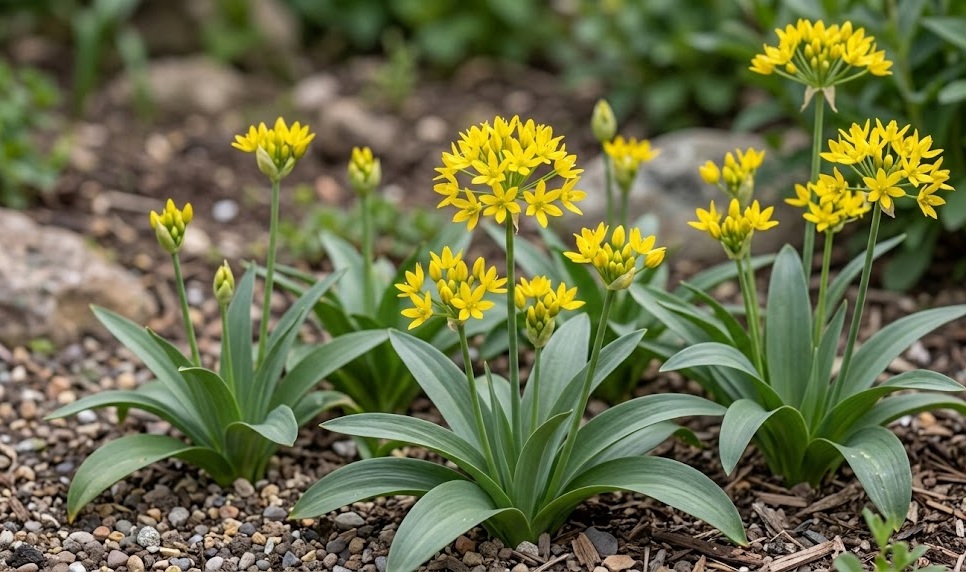
The best time to apply fertilizer is in the early spring just as the first leaves are starting to emerge from the ground. You should scatter the granules evenly around the base of the plants, being careful not to let them touch the foliage. Following the application with a gentle watering will help to wash the nutrients down to the root zone where they are needed. This early boost provides the energy required for the plant to produce its spectacular yellow blossoms.
You can also provide a secondary feeding in the late spring just after the flowers have finished their display. This application of nutrients helps the bulb rebuild its energy stores for the following year’s growth cycle. Using a liquid fertilizer at this stage can be very effective as it is absorbed quickly by the maturing root system. Feeding the plant during its post-bloom phase is a professional secret for ensuring consistent results year after year.
Avoid fertilizing the bulbs during their summer dormancy or in the middle of a very cold winter. The plants are not actively taking up nutrients during these times, and any fertilizer you add will simply wash away. This not only wastes your money but can also lead to nutrient runoff that can harm the local environment. Targeted feeding during the active growing seasons is the most responsible and effective way to manage your garden.
Application methods
There are several ways to deliver nutrients and water to your garden, and each has its own set of professional advantages. You should consider using a soaker hose or a drip irrigation system for a more targeted and efficient approach. These systems deliver water directly to the soil surface, which keeps the foliage dry and reduces water waste from evaporation. Drip irrigation is the gold standard for maintaining consistent moisture levels in a professional landscape.
If you prefer a more hands-on approach, using a high-quality watering can with a fine rose is a great choice for smaller areas. You should move the can slowly and evenly across the bed to ensure that the water soaks in rather than running off. This method allows you to inspect each plant individually and spot any potential problems while you are working. Many expert gardeners enjoy the meditative quality of hand-watering their favorite flower beds.
For liquid fertilizers, using a watering can with a dedicated mixing ratio is the most accurate way to feed your plants. You should always follow the manufacturer’s instructions to avoid over-concentrating the solution and burning the delicate roots. Applying the liquid feed to damp soil will help it spread more evenly and reach the entire root system. This method provides an almost immediate boost to the plants and is perfect for correcting visible nutrient deficiencies.
Finally, consider the benefits of using organic top-dressings like compost or well-rotted manure as a slow-release food source. You can spread a thin layer of these materials over the soil surface in the autumn or early spring. As the organic matter breaks down, it slowly releases a complex range of nutrients and improves the soil structure. This holistic approach to fertilization creates a healthy and self-sustaining garden environment over the long term.
Monitoring soil quality
The effectiveness of your watering and feeding routine is directly linked to the quality and health of your garden soil. You should periodically check the soil texture to ensure it remains loose and well-aerated for the bulb roots. If you notice that water is sitting on the surface for a long time, it might be a sign of soil compaction. Using a hand fork to gently aerate the area around the bulbs can improve water penetration and oxygen levels.
You should also be aware of the salt buildup that can occur if you use synthetic fertilizers frequently without enough flushing. If you see a white crust on the soil surface, it is a sign that you need to use more plain water to wash the salts away. Using organic fertilizers and compost can help to prevent this problem and maintain a healthy chemical balance. A professional gardener always keeps an eye on the long-term health of the soil as well as the plants.
Testing the pH of your soil every few years will help you determine if the acidity levels are shifting over time. Most bulbs prefer a neutral to slightly acidic environment for the best uptake of essential minerals and trace elements. If the soil becomes too alkaline, the plants may struggle to absorb iron, leading to yellowing of the leaves. Simple adjustments with sulfur or lime can bring the soil back into the optimal range for your yellow flowers.
Finally, observing the presence of earthworms and other soil organisms is a great way to gauge the biological health of your garden. Healthy soil is teeming with life that helps to break down organic matter and make nutrients available to the plants. If your soil seems lifeless and hard, it is a sign that you need to add more organic matter and reduce the use of chemicals. A living soil is the best foundation for a truly professional and thriving horticultural display.