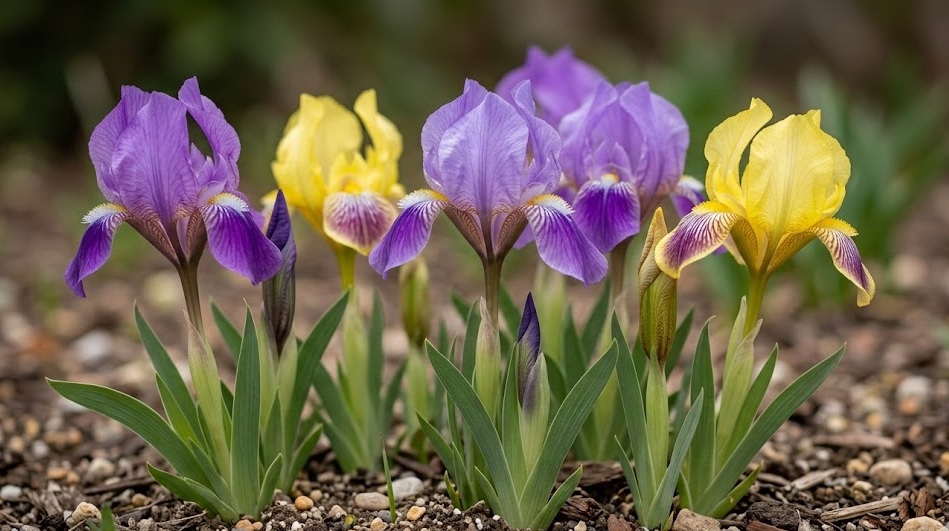

Preparing your garden for the cold months is an essential task that ensures these early-blooming beauties survive the winter in peak condition. You will find that these plants are remarkably hardy and can withstand freezing temperatures if the soil conditions are correctly managed. The goal of wintering is not to keep the plants warm, but to provide a stable and dry environment that protects the dormant rhizomes. A little bit of professional preparation in the autumn will lead to a successful and vibrant emergence when the first signs of spring arrive.
The most important aspect of winter survival for these miniature perennials is excellent soil drainage that prevents water from freezing around the roots. You must ensure that your garden beds do not collect standing water during the winter rains or snowmelt periods. Excess moisture combined with cold temperatures is the primary cause of rhizome rot and winter kill in these specialized species. If you are concerned about drainage, you can slightly mound the soil or add a layer of fine grit around the base of the plants.
Natural dormancy is a vital part of the plant’s life cycle that should be encouraged by withholding fertilizer and reducing water as the days grow shorter. You should notice the foliage gradually turning yellow and then brown as the plant moves its energy reserves into the underground rhizome. This process of hardening off makes the internal tissues more resistant to the cellular damage caused by freezing and thawing. Trusting the natural rhythm of the seasons allows the plant to prepare itself for the challenges of the coming winter months.
Removing the dead foliage once it has completely dried out is a professional standard that improves garden hygiene and reduces pest pressure. You should use a clean pair of garden shears to cut the old leaves down to about two or three centimeters above the soil surface. This removal eliminates the hiding spots where iris borers might lay their eggs for the following year. A clean soil surface also allows the winter sun to reach the ground, which helps keep the top of the rhizome dry and firm.
In regions with extremely cold winters and no snow cover, a light and airy mulch can provide some protection against the most severe temperature fluctuations. You should choose a material that does not trap moisture, such as pine boughs, evergreen branches, or a very thin layer of coarse straw. It is critical that this covering is removed as soon as the first signs of growth appear in the late winter or early spring. For most gardens, however, these plants are perfectly capable of surviving with no extra covering at all if they are planted in a sunny and well-drained spot.
More articles on this topic
Managing the freeze and thaw cycle
The greatest threat during the winter months is often not the deep cold itself, but the repeated cycle of freezing and thawing that can push the rhizomes out of the ground. This phenomenon, known as frost heaving, occurs most frequently in heavy or wet soils that expand and contract significantly with temperature changes. You should check your garden after every major thaw to ensure that your plants have not been displaced or their roots exposed to the air. If you find a plant that has been lifted, you can gently press it back into the soil and add a bit of extra earth around the sides to stabilize it.
Providing a stable micro-climate is one way to minimize the impact of these temperature shifts on your delicate iris collection. You might find that planting near a large rock or a south-facing wall provides enough thermal mass to smooth out the most extreme daily variations. These features absorb heat during the day and release it slowly at night, creating a more consistent environment for the dormant plants. This strategic placement is a hallmark of professional garden design that works with the natural elements rather than against them.
Snow is actually a wonderful natural insulator that protects the ground from the most intense cold and drying winds of winter. You should be happy to see a steady blanket of snow over your garden beds, as it provides a consistent temperature for the plants buried beneath it. Avoid shoveling heavy piles of snow onto your iris beds, however, as the weight and eventual slow melt could lead to drainage issues in the spring. Let the snow fall and melt naturally to provide the best possible winter environment for your collection.
Winter winds can be very dehydrating for any plant tissue that is exposed above the ground, including the dormant fans of the iris. You should ensure that your plants are somewhat protected from the most severe prevailing winds by other landscape features or windbreaks. While the leaves are dead, the rhizome itself still needs to maintain a certain level of internal hydration to survive until spring. A well-sited garden bed takes these invisible environmental factors into account to ensure the long-term health of all its inhabitants.
More articles on this topic
Planning for the early spring emergence
The end of winter is a time of anticipation for the gardener, as the first green tips begin to poke through the cold earth. You should be ready to remove any winter protection as soon as the ground begins to thaw consistently and the risk of extreme deep freezes has passed. Leaving mulch on too long can trap moisture and encourage premature growth that is then susceptible to late frosts. A clean and open bed allows the soil to warm up quickly in the sunshine, triggering a strong and healthy start to the new growing season.
Cleaning up the garden in the late winter is a rewarding task that prepares the stage for the coming floral display. You should remove any wind-blown debris, fallen leaves, or stray weeds that have managed to establish themselves over the cold months. This is also a good time to check your labels and ensure that everything is correctly identified before the flowers begin to open. A tidy garden not only looks better but also allows you to enjoy the emergence of each plant without any distractions.
Monitoring the moisture levels as the snow melts is important for preventing early season rot in the sensitive rhizomes. You should ensure that the runoff from melting snow can flow away from your iris beds and doesn’t create puddles around the plants. If you notice any areas of standing water, you can dig small temporary channels to help drain the excess moisture away. This proactive management ensures that your plants enter the active growth phase in the best possible health.
The first application of a balanced, low-nitrogen fertilizer should happen just as the growth begins in the late winter or very early spring. You want the nutrients to be available in the soil as soon as the roots start to actively take them up again. This early feeding provides the energy needed for the plant to push up its flower stalks and produce those vibrant spring colors. Seeing the first green shoots is a signal that all your wintering efforts have been successful and a new season of beauty is about to begin.
Long-term resilience and winter hardy varieties
Selecting the right varieties for your specific climate is the most effective way to ensure long-term success with wintering. You should look for cultivars that are known for their hardiness and have a proven track record in your local geographical zone. Talking to other local gardeners or visiting public botanical gardens can provide valuable insight into which types of dwarf iris handle your winters best. Investing in robust and resilient stock reduces your workload and increases the overall stability of your landscape design.
The health and vigor of your plants during the summer and autumn directly impact their ability to survive a harsh winter. You should ensure they have received proper nutrition and moisture throughout the year so they can build up strong energy reserves in their rhizomes. A plant that is stressed by pests, diseases, or poor nutrition during the growing season will always be more vulnerable to winter damage. Professional care is a year-round commitment that pays off during the most challenging months of the year.
Observing how different areas of your garden perform during the winter will help you refine your planting strategies over time. You might find that some spots are naturally more protected or have better drainage than others, making them ideal for your most prized specimens. This learning process is part of what makes gardening such an engaging and lifelong hobby for so many people. Every winter is a test that provides new data and helps you become a more skilled and successful steward of your land.
Finally, remember that the dwarf iris is a plant that has evolved to thrive in environments with cold winters and distinct seasons. You should view the winter not as a threat to be feared, but as a necessary period of rest that is essential for the plant’s health. Without this cold dormancy, the irises would not be able to produce their spectacular spring flowers with such intensity and consistency. Embrace the quiet beauty of the winter garden, knowing that your careful preparation has set the stage for another wonderful spring.