
Effective management of orchard grass requires a deep understanding of its natural growth habits and seasonal requirements to ensure a productive yield. This perennial cool-season forage grass is prized for its shade tolerance and early spring growth, making it a staple in many agricultural settings. Proper care involves a balanced approach to soil health, grazing or mowing schedules, and vigilant monitoring for environmental stressors. By following professional guidelines, you can maintain a resilient stand that provides high-quality fodder for several years without significant degradation.
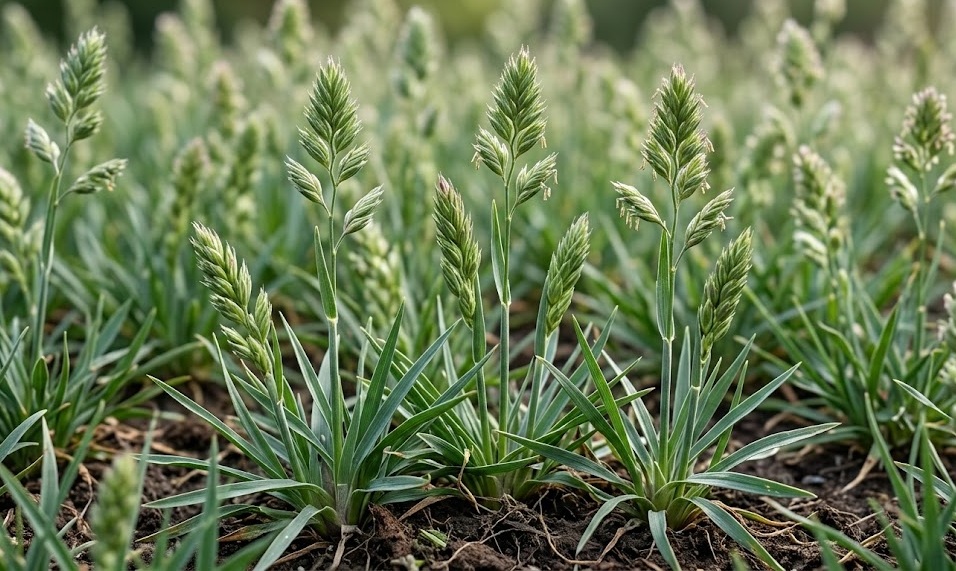
Maintaining the vigor of this grass species starts with consistent observation of the field conditions throughout the growing season. Since it grows in distinct clumps or tussocks, the spacing between plants can sometimes invite unwanted weed competition if the stand is not dense enough. You should aim to keep the grass at a height that promotes rapid regrowth while preventing the base of the plant from becoming too woody. Regular monitoring allows for timely interventions, such as adjusting grazing pressure or mechanical mowing to suit the current weather patterns.
The soil environment plays a crucial role in the long-term success of orchard grass, as it prefers well-drained fertile soils with a slightly acidic to neutral pH level. Compaction is a common enemy for this plant, as restricted root growth can lead to decreased drought resistance and lower nutrient uptake. You should periodically assess the soil structure to ensure that air and water can penetrate deep into the root zone where the plant stores its energy. Avoiding heavy machinery use during wet periods is a practical step to prevent soil structure damage and preserve the plant’s health.
Weed control is another vital aspect of general care that requires a proactive strategy rather than a reactive one. A healthy, thick stand of orchard grass is the best defense against invasive species, as it naturally outcompetes many annual weeds for light and space. If you notice bare patches, it is often necessary to overseed or adjust management practices to encourage the grass to fill in the gaps. Using targeted herbicides or mechanical removal may be necessary in the early stages of establishment to ensure the grass becomes the dominant species in the field.
Establishing a sustainable maintenance routine
A sustainable routine for orchard grass begins with understanding the specific growth stages of the plant from early spring through late autumn. During the peak growth periods in spring, the plant moves quickly toward maturity, which can lead to a decrease in nutritional value if not managed. You should plan your activities around these biological milestones to maximize both the quantity and the quality of the biomass produced. Consistent care throughout the year ensures that the grass remains productive even during the more challenging summer months.
More articles on this topic
The timing of mechanical interventions is critical for maintaining the longevity of the stand and ensuring high-quality forage. Mowing should be done before the plant reaches full bloom to prevent the stems from becoming overly fibrous and less palatable for livestock. You should leave a residual height of at least ten centimeters to protect the growing points located near the base of the plant. This practice ensures that the grass has enough leaf area left to perform photosynthesis and recover quickly for the next harvest cycle.
Integrated management practices often yield the best results when caring for large areas of orchard grass over several seasons. This approach involves combining mechanical control, biological observations, and careful timing of any necessary chemical treatments. You should keep detailed records of your maintenance activities to identify which methods work best for your specific soil type and microclimate. Over time, these records will help you refine your approach and reduce the need for intensive interventions.
The role of biodiversity in the surrounding ecosystem should not be ignored when developing a care plan for your grass. Encouraging beneficial insects and soil microorganisms can improve the overall health of the field and reduce the pressure from common pests. You should consider the impact of your maintenance choices on the local environment to ensure long-term sustainability. A holistic view of the field as a living system will lead to more resilient plants and a more stable production cycle.
Managing soil structure and aeration
Healthy soil is the foundation of any successful agricultural endeavor, and orchard grass is particularly sensitive to the physical state of its environment. You must ensure that the soil remains porous enough to allow for efficient gas exchange and deep water infiltration. Mechanical aeration can be a useful tool if the ground becomes too packed from livestock movement or heavy equipment. Maintaining a loose soil structure supports the vigorous root system that this grass is known for, especially in deeper soil layers.
More articles on this topic
Organic matter serves as a vital component of the soil matrix, providing both structure and a slow-release source of essential elements. You can improve the soil quality by leaving some plant residues on the surface or by applying composted materials during the off-season. This practice helps to foster a healthy population of earthworms and microbes that naturally aerate the soil for you. Improved organic levels also increase the water-holding capacity of the soil, which is a major advantage during dry spells.
The relationship between soil moisture and aeration is a delicate balance that requires careful management throughout the year. Excessively wet soil can lead to anaerobic conditions that harm the roots and encourage the growth of pathogenic fungi. You should implement drainage solutions if you find that water tends to pool in certain areas of your field after heavy rains. Proper drainage ensures that the roots have access to the oxygen they need to survive and thrive during the active growing season.
Long-term soil health management involves regular testing to understand the physical and chemical changes occurring beneath the surface. You should analyze the soil every few years to check for signs of nutrient depletion or changes in the overall structure. This data-to-day approach allows you to make informed decisions about whether to apply lime or other soil conditioners. By taking a proactive stance on soil health, you ensure that the orchard grass has the best possible environment to reach its full potential.
Promoting healthy regrowth after harvest
The period following a harvest or intensive grazing is a critical time for the recovery of orchard grass plants. You must provide the plants with enough time and resources to rebuild their energy reserves before the next cycle begins. This recovery period is essential for maintaining the density of the stand and preventing the encroachment of weeds into weakened areas. Successful growers often find that a rest period of three to four weeks is ideal, depending on the environmental conditions.
The height at which you cut the grass significantly influences how quickly it will start growing back. Cutting too low can damage the crown of the plant, which is where the new shoots originate and where energy is stored. You should always aim to leave enough green material to facilitate immediate photosynthesis, which fuels the initial regrowth phase. This “take half, leave half” philosophy is a common professional standard that ensures the long-term health of the forage system.
Environmental factors such as temperature and moisture availability play a huge role in the speed of regrowth after a cut. During the hot summer months, the grass may enter a semi-dormant state where growth slows down significantly to conserve moisture. You should adjust your expectations and management practices during these periods to avoid overstressing the plants when they are most vulnerable. Providing supplemental irrigation if possible can help maintain productivity, but allowing the plants to rest is often the most practical solution.
Monitoring the density of the regrowth can give you valuable insights into the overall health and vigor of your orchard grass stand. If the new growth appears thin or yellowed, it may be a sign of nutrient deficiency or underlying pest issues. You should take these visual cues seriously and investigate the root cause to prevent a decline in the entire field. A vigorous and lush green return after mowing is the best indicator that your care practices are working effectively.
Optimizing seasonal transitions
Transitioning from the peak growing season into the dormant phases requires a shift in how you manage your orchard grass. As the days shorten and temperatures drop in the autumn, the plant begins to shift its focus toward root development and storage. You should reduce the intensity of grazing or mowing during this time to allow the plant to accumulate the carbohydrates needed for winter survival. This strategic reduction in use ensures that the grass will have the energy to bounce back quickly in the following spring.
The early spring transition is equally important, as this is when the orchard grass typically outpaces most other cool-season grasses. You should be ready to start your maintenance routine as soon as the soil thaws and the first green shoots appear. This early start allows you to stay ahead of the rapid growth curve and prevents the grass from becoming unmanageable. Being prepared with your equipment and labor early in the season sets the tone for a productive year.
Summer transitions often involve managing the “summer slump” where growth slows down due to high heat and potential drought. You can mitigate the effects of this transition by ensuring the plants are as healthy as possible entering the hot months. Mulching or leaving longer grass can help shade the soil surface and keep the root zone cooler than bare ground. Understanding these natural transitions allows you to work with the plant’s biology rather than against it.
Each season brings its own set of challenges, but a consistent professional approach helps to smooth out the extremes. You should always be looking a few weeks ahead to anticipate what the plants will need as the weather changes. This foresight is what separates expert growers from those who are merely reacting to problems as they arise. By managing the transitions carefully, you maintain a more stable and reliable forage resource for your agricultural needs.
Balancing competition and biodiversity
Orchard grass is often grown in mixtures with legumes like clover or alfalfa to create a more balanced and nutritious forage. Managing this competition requires a nuanced approach to ensure that one species does not completely overtake the other. You should monitor the ratio of grass to legumes and adjust your mowing or grazing to favor the species that is falling behind. This balance is key to maximizing the total yield and the protein content of the resulting hay or silage.
The presence of other plant species can also provide beneficial services such as nitrogen fixation or improved soil structure. Legumes, for instance, can provide a natural source of nitrogen that benefits the orchard grass growing nearby. You should choose companion plants that have similar growth patterns and light requirements to minimize direct competition for resources. A well-managed mixed stand is often more resilient to pests and diseases than a monoculture of grass.
Invasive species and aggressive weeds must be kept in check to prevent them from outcompeting the orchard grass. You should learn to identify the most common local weeds in their early stages when they are easiest to control. Regular scouting of the field edges and interior is the most effective way to catch potential problems before they spread. Maintaining a high density of orchard grass is your primary tool for suppressing these unwanted competitors naturally.
Promoting a healthy ecosystem within the field can also involve leaving small areas of natural vegetation or hedgerows nearby. These areas can harbor beneficial insects that pray on common pests, reducing the need for chemical interventions. You should view the orchard grass field as part of a larger landscape that benefits from a certain level of biological diversity. Balancing the needs of production with the health of the local environment leads to a more sustainable agricultural system.
Long term rejuvenation of the stand
Over time, even the best-managed orchard grass stands may begin to show signs of aging or decreased productivity. You should evaluate the performance of the field every five to seven years to determine if rejuvenation is necessary. This might involve intensive overseeding, deep aeration, or a complete renovation of the soil bed if the plants have become too sparse. Recognizing the signs of a declining stand early can save you time and resources in the long run.
Inter-seeding new varieties into an existing stand can help introduce improved genetics and increase the overall vigor of the field. You should select varieties that are known for their disease resistance and high yield potential in your specific climate. This process allows you to upgrade the quality of the forage without the high cost and risk of a full plow-down and replant. Careful timing and seed-to-soil contact are the most important factors for the success of this rejuvenation method.
Adjusting the nutrient profile of the soil can also breathe new life into an older stand of orchard grass. Sometimes a decline in productivity is simply due to the depletion of specific micronutrients that are often overlooked in standard fertilization plans. You should use a comprehensive soil test to identify any hidden deficiencies that might be holding back the growth of the plants. Targeted applications of the missing elements can often result in a significant boost in plant health and yield.
Ultimately, the goal of long-term care is to ensure that the orchard grass remains a profitable and functional part of your operation. You should always be open to learning new techniques and adapting your methods as agricultural science evolves. Staying informed about the latest research and participating in professional communities can provide valuable insights for your own fields. A commitment to continuous improvement is the hallmark of a professional approach to grass management.