
Maintaining the correct height and texture of your lawn through proper mowing and trimming is essential for its long-term health. You should realize that every time you cut the grass, you are performing a small surgical procedure on a living organism. A professional approach to pruning ensures that the plants remain strong, competitive, and aesthetically pleasing throughout the growing season. By mastering the art of the cut, you can create a landscape that is both beautiful to look at and incredibly durable.
Mowing height and frequency
The most important rule of professional lawn care is to never remove more than one-third of the grass blade in a single mowing session. You should understand that cutting the grass too short can shock the plant and severely limit its ability to produce energy through photosynthesis. Keeping the blades at a slightly taller height encourages deeper root growth and helps the lawn shade its own soil. This natural shading reduces moisture evaporation and prevents weed seeds from germinating in the empty spaces.
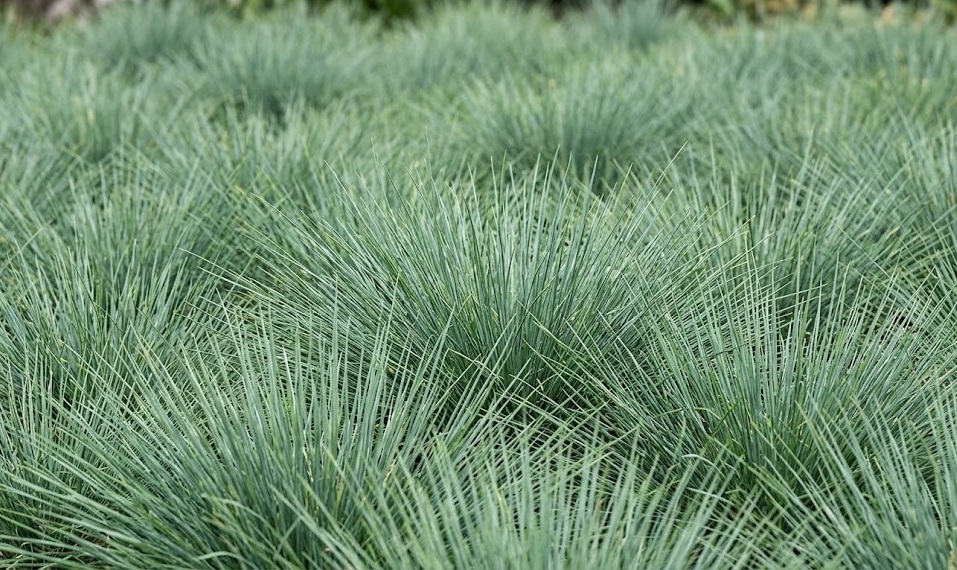
For this specific fescue variety, a target height of two to three inches is often ideal for most garden settings. You might decide to leave it even longer in areas with more shade or during the heat of the summer to provide extra protection. Consistent mowing at the correct height creates a uniform and professional look that is the hallmark of a well-cared-for property. Frequent mowing is better for the health of the grass than infrequent, heavy sessions that leave the lawn looking scalped.
During the peak growing seasons of spring and autumn, you will find that you need to mow more often to maintain the desired height. You should listen to the needs of the plants rather than following a strict weekly schedule that doesn’t account for actual growth rates. If the grass is growing quickly due to favorable weather, be prepared to get the mower out a bit more frequently. Flexibility is a key trait of a professional gardener who wants the best possible results for their landscape.
In the summer heat or when growth slows down, you should naturally reduce the frequency of your mowing sessions. You might find that the lawn only needs a light trim every two weeks to stay looking tidy and well-maintained. Always check the weather forecast before you decide to mow, as it is best to avoid cutting the grass when it is under extreme heat stress. Respecting the natural rhythm of the plant’s growth cycle will ensure a more resilient and healthy green space.
More articles on this topic
Tool maintenance and cutting quality
The quality of the cut depends entirely on the condition of the tools you use to maintain your lawn. You should always ensure that your mower blades are extremely sharp before you begin any trimming work. Dull blades tear the grass instead of cutting it cleanly, which leaves the plants with ragged edges that turn brown and are more susceptible to disease. A professional gardener knows that a sharp blade is the most important part of their equipment kit.
Regular maintenance of your mower, including cleaning the underside of the deck, prevents the buildup of old grass clippings and debris. You should wash away any mud or wet grass after each use to ensure proper airflow and a consistent cutting height. This habit also prevents the accidental spread of weed seeds or fungal spores from one part of the garden to another. Taking care of your machinery is a direct reflection of the care you provide to the living plants in your landscape.
Adjusting the height of your mower deck should be an easy and regular part of your gardening routine. You should check the settings before you start to make sure they match the specific needs of the area you are about to cut. Sometimes, different parts of your garden might require slightly different mowing heights based on their light and moisture levels. A professional approach means being precise and intentional with every single pass you make across the lawn.
If you use manual trimming tools for edges or difficult spots, keep them sharp and well-oiled to ensure they work effectively. You will find that a clean edge along paths and flower beds makes the entire garden look much more polished and intentional. Paying attention to these small details is what separates a truly professional landscape from a simple patch of grass. Your dedication to quality tools and techniques will be visible in every clean line and healthy blade of your fescue.
More articles on this topic
Frequency of trimming and aesthetic goals
Trimming the edges of your lawn is the final touch that gives your garden a professional and high-end appearance. You should aim to do this work every few mows to keep the lines sharp and prevent the grass from encroaching on your paths. Using a specialized edging tool or a simple pair of long-handled shears can make this task much easier and more precise. A well-defined boundary between the green turf and other landscape elements enhances the overall structure of your outdoor space.
You should be careful when trimming around the base of trees or delicate shrubs to avoid damaging their bark or stems. Using a physical barrier or a small mulched area around these features can make mowing and trimming much safer and more efficient. It is often better to leave a tiny bit of longer grass than to risk injuring a valuable tree with a mechanical trimmer. Professionalism in the garden includes a deep respect for all the different plants that share the living environment.
As the season winds down, your final trimming sessions should focus on preparing the lawn for its winter dormancy. You should ensure that all edges are clean and that the grass is at an even height across the entire surface of the garden. This late-season attention to detail ensures that the lawn looks tidy even when it is not actively growing or covered in snow. A professional gardener thinks ahead and understands how their current actions will affect the garden’s future appearance.
Finally, remember that the goal of all your pruning and trimming is to support the natural beauty and health of the grass. You should enjoy the physical process of working in your garden and the immediate visual satisfaction of a freshly cut lawn. The sound of the mower and the smell of cut grass are part of the timeless experience of being a professional steward of the land. Your careful work with the blades will ensure a stunning and healthy green space for everyone to enjoy.