
Preparing your lawn for the cold months is a vital process that ensures it emerges vibrant and healthy in the spring. You should recognize that while this grass is naturally cold-hardy, it still benefits from a few professional preparations before the frost arrives. The goal of overwintering is to protect the crown of the plant and maintain the integrity of the soil structure. By following these steps, you can give your green space the best possible chance of surviving even the harshest winter weather.
Cold tolerance and winter biology
This grass species is exceptionally well-adapted to survive freezing temperatures and dormant periods during the winter. You will notice that the growth slows down significantly as the days get shorter and the soil temperature begins to drop. During this time, the plant shifts its energy from producing green blades to strengthening its root system and storing carbohydrates. Understanding this biological shift helps you realize why late-season care is so important for the plant’s survival.
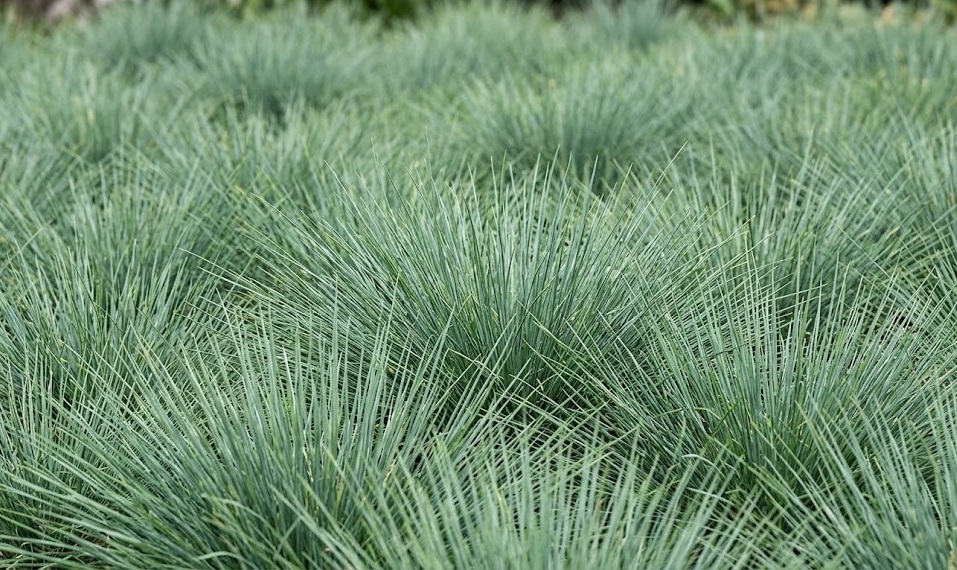
The crown of the grass is the most critical part of the plant that must be protected from extreme cold and physical damage. You should understand that as long as the crown remains healthy and intact, the grass can regrow even if the blades turn brown. The natural architecture of this fescue helps it trap a bit of air near the ground, providing a tiny layer of insulation. Respecting this natural protective system is a key part of your winter management strategy.
Frost heaving is a physical process where the soil expands and contracts as it freezes and thaws, potentially exposing the roots. You might see the ground looking slightly uneven or find that some plants seem to have been pushed upwards. This is more common in heavy clay soils that retain a lot of moisture through the autumn months. Maintaining good drainage throughout the year is your best defense against the negative effects of frost heaving.
Snow cover can actually act as a beneficial insulating blanket that protects the grass from the most extreme air temperatures. You should appreciate a steady layer of snow, as it keeps the ground temperature relatively stable and prevents the plants from drying out in cold winds. However, you must be careful not to let the snow become too compacted by walking or driving on it. A natural, fluffy snow cover is a professional gardener’s friend during the depth of winter.
More articles on this topic
Winter protection and surface care
The most important step in protecting your lawn for the winter is ensuring it is clean and free of heavy debris. You should remove all fallen leaves, branches, and toys from the surface before the first snow falls on your garden. If left on the grass, these items can smother the plants and create a perfect environment for snow mold to develop. A clear and clean surface allows the grass to breathe and receive any available sunlight during the shorter days.
Mowing your lawn to a slightly lower height than usual for the final cut of the season can be beneficial. You should aim for a height that is short enough to prevent the grass from matting down under the weight of the snow. However, be careful not to cut it so short that you expose the delicate crown to the direct bite of the frost. A professional final mow sets the stage for a healthy dormancy and an easier cleanup in the spring.
Avoiding any foot traffic on the lawn when it is frozen is a rule that you should follow strictly to prevent damage. You can easily break the frozen blades of grass, which creates wounds that the plant cannot heal until the spring. These damaged areas often turn brown and are much more susceptible to diseases once the weather warms up. Keeping people and pets on established paths is the best way to protect your resting green space.
If you use salt or other de-icing chemicals on your paths and driveways, you must be very careful not to get them on the grass. You should know that these salts can accumulate in the soil and cause significant damage to the roots of your plants. Consider using sand or birdseed as a more environmentally friendly alternative for traction on slippery surfaces. Protecting the soil chemistry is just as important as protecting the physical plants during the winter months.
More articles on this topic
Soil conditions and moisture in winter
The moisture level of the soil before it freezes for the winter has a major impact on how well the grass survives. You should ensure that the ground is adequately hydrated during the late autumn, especially if it has been a dry season. Desiccation, or drying out, is a major cause of winter kill in many grass species, including the hardier ones. A well-hydrated plant has a much better chance of resisting the drying effects of cold winter winds.
Maintaining healthy soil structure through the winter depends on the work you did during the growing season. You will find that well-aerated soil allows excess moisture to drain away, preventing the roots from sitting in icy water. This drainage is critical because waterlogged soil can lead to root rot even in the colder months of the year. Your dedication to soil health pays off by keeping the underground environment stable and safe for the plants.
You should avoid applying any fertilizer late in the season that might encourage a flush of new, tender growth. You don’t want the plants to be trying to grow new leaves just as the freezing temperatures are arriving in your area. This new growth is very susceptible to frost damage and can drain the plant of the energy it needs for survival. Focus on building a strong root system earlier in the autumn instead of seeking green color in the winter.
Monitoring the weather for unusual warm spells during the winter is also part of a professional gardener’s routine. You should be aware that if the ground thaws and the plants start to wake up too early, they could be damaged by a subsequent freeze. While you cannot control the weather, being aware of these shifts helps you understand what to look for when spring arrives. Resilience in the garden often means being prepared for the unpredictable nature of the seasons.
Spring transition and waking up
As the days begin to lengthen and the soil starts to warm, your lawn will slowly emerge from its winter dormancy. You should resist the urge to start working on the lawn too early while the ground is still soft and muddy. Walking on wet spring soil can cause severe compaction that will plague your garden for the rest of the year. Wait until the surface has dried out enough to support your weight without leaving deep footprints.
A light raking once the snow has cleared is the best way to wake up the grass and remove any winter debris. You should look for any signs of snow mold or matted areas and gently fluff them up with your rake to improve airflow. This simple task helps the sun reach the soil surface and encourages the first new green shoots to appear. It is also the perfect time to assess the overall health of the lawn after the winter challenge.
If you notice any bare spots or areas that didn’t survive the winter, you should plan to address them as soon as the weather permits. You might need to do some light over-seeding to restore the density of the turf before the weeds start to germinate. Using high-quality seeds that match your existing fescue will ensure a uniform and professional appearance. Spring is a season of renewal, and your careful attention will help your lawn bounce back quickly.
Finally, remember that the first few weeks of spring are a time for gentle encouragement rather than heavy intervention. You should avoid heavy fertilization or aggressive maintenance until the grass is actively growing and strong. Let the natural rhythm of the season guide your actions as you transition back into your regular care routine. Your professional approach to overwintering will be rewarded with a lush and healthy green space all through the coming year.