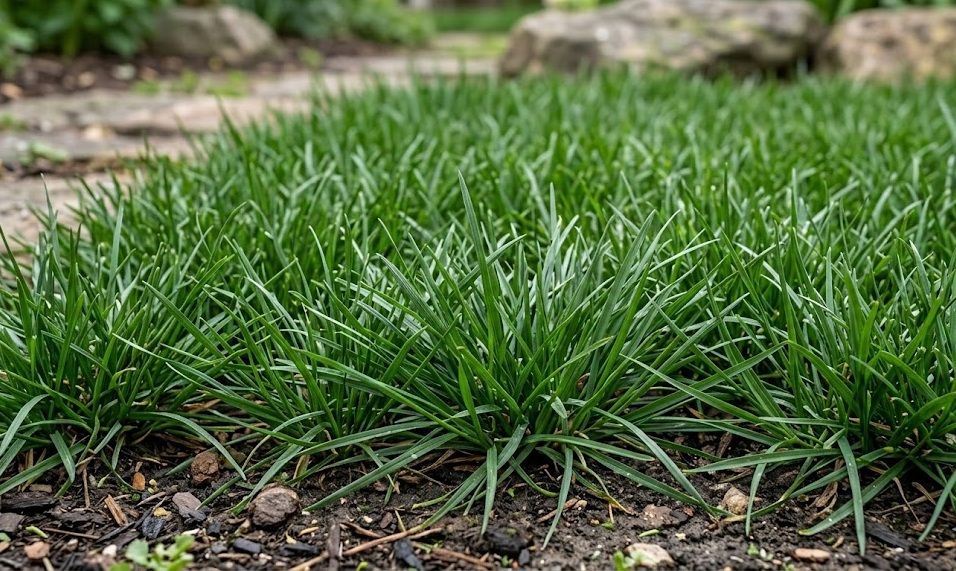

Water and nutrients are the two primary fuels that drive the growth and health of any professional landscape. Tall fescue has a unique physiology that allows it to access water deep in the soil profile, but it still requires a structured approach to irrigation and feeding. Managing these resources effectively prevents the waste of precious water and ensures that your fertilizer applications are helping rather than hurting the environment. A well-nourished and properly hydrated lawn is the foundation of a beautiful garden that can withstand the test of time and climate change.
Principles of efficient irrigation
Understanding how water moves through your specific soil type is the first step in creating an efficient irrigation plan for your green spaces. Sandy soils drain quickly and require more frequent but lighter watering, while clay soils hold moisture longer but are prone to runoff if water is applied too fast. You should aim to apply about one inch of water per week, which is typically enough to saturate the soil to a depth of six to eight inches. This deep watering encourages the roots to grow downward, making the plant much more resilient during dry periods.
The timing of your watering sessions is just as important as the amount of water you provide to the plants. Early morning, typically between four and eight o’clock, is the absolute best time to irrigate because the wind is low and the sun is not yet hot enough to cause excessive evaporation. This schedule also ensures that the grass blades dry quickly as the day warms up, which significantly reduces the risk of fungal infections. Watering in the evening or at night leaves the foliage wet for many hours, which is like an open invitation for diseases to take hold.
Monitoring the moisture levels in your soil can be done with simple tools or more advanced sensors for professional agricultural applications. A common trick is to push a screwdriver into the earth; if it slides in easily, the moisture levels are likely sufficient, but if it meets resistance, it is time to water. You can also watch for visual cues from the grass itself, such as a duller color or the failure of the blades to spring back after being stepped on. These signs indicate that the plant’s internal water pressure has dropped and it needs immediate hydration.
Automatic irrigation systems offer convenience but must be managed actively to avoid overwatering or wasting resources during rainy weather. You should install a rain sensor that will automatically shut the system off when it detects natural precipitation, saving you money and protecting the health of the grass. It is also important to regularly inspect the sprinkler heads to ensure they are providing even coverage and are not spraying water onto sidewalks or driveways. A well-calibrated system is a powerful tool for maintaining a professional-quality lawn with minimal effort.
More articles on this topic
Understanding nutrient requirements
Nitrogen is the primary driver of the deep green color and rapid growth that most people desire in their garden lawns. However, too much nitrogen can lead to excessive top growth at the expense of root development, making the grass weak and prone to collapse. For this species, a moderate amount of nitrogen applied during the active growth phases in spring and autumn is usually sufficient. You should aim for a total of about three pounds of nitrogen per thousand square feet over the course of the entire year.
Phosphorus is essential for the energy transfer processes within the plant and plays a crucial role in the development of a strong root system. While many established soils already have enough phosphorus, it is vital to check your soil test results before adding more to your fertilization routine. In some regions, the use of phosphorus is restricted due to its potential to cause environmental issues in local waterways. If your soil is deficient, applying a targeted amount during the autumn renovation phase will help the grass prepare for the winter months.
Potassium, often called the “health” nutrient, helps the grass regulate its internal processes and resist various forms of environmental stress. It strengthens the cell walls and improves the plant’s ability to withstand extreme heat, cold, and even heavy foot traffic. Providing adequate potassium throughout the year ensures that your lawn remains tough and resilient even when conditions are less than ideal. This nutrient is particularly important for this species, as it supports the deep-rooting habit that makes it so valuable in agricultural and domestic settings.
Micronutrients such as iron, magnesium, and sulfur are needed in only tiny amounts but are still essential for a truly professional appearance. Iron, for example, can provide a quick boost in green color without causing the surge in growth that often follows a nitrogen application. Most high-quality fertilizers include a balanced blend of these trace elements to ensure that no part of the plant’s metabolism is lacking. If you notice yellowing between the veins of the leaves, it could be a sign of a micronutrient deficiency that needs to be addressed.
More articles on this topic
Fertilization schedules and methods
The best time to feed your lawn is when the grass is actively growing and can immediately utilize the nutrients you are providing. For cool-season grasses, this means the primary applications should happen in the early autumn and late spring. An autumn feeding is particularly beneficial because it helps the grass recover from summer stress and build up food reserves for the winter. This late-season boost also leads to an earlier green-up when temperatures begin to rise again in the following spring.
Using a broadcast spreader is the most effective way to ensure that your fertilizer is applied evenly across the entire surface of the lawn. You should walk at a consistent pace and overlap your passes slightly to avoid leaving strips of hungry grass that will soon turn a lighter shade of green. It is a good idea to apply half of the fertilizer in one direction and the other half perpendicular to the first to achieve perfect coverage. Always clean your spreader thoroughly after use to prevent corrosion and ensure it remains accurate for the next application.
Slow-release fertilizers are highly recommended for professional lawn care because they provide a steady stream of nutrients over an extended period. These products are often coated with a special polymer that breaks down slowly, preventing the “surge growth” and nutrient leaching associated with quick-release formulas. This approach is much healthier for the grass and requires fewer applications throughout the season, saving you both time and labor. It also reduces the risk of accidental fertilizer burn, which can occur if too much salt-based nutrient is applied at once.
After applying fertilizer, it is essential to water the area lightly to move the nutrients off the grass blades and down into the soil. This prevents the concentrated chemicals from burning the foliage and ensures that the roots can begin taking up the nourishment immediately. You should avoid applying fertilizer right before a heavy storm, as the intense rain could wash the granules away before they have a chance to dissolve. A gentle irrigation session or a light, steady rain is the ideal way to finish off your fertilization task.
Organic options and soil health
Organic fertilizers offer a sustainable alternative to synthetic products and focus on improving the long-term health of the soil ecosystem. Materials like feather meal, bone meal, and composted manure break down slowly and provide a wide range of nutrients and beneficial microbes. These organic inputs improve the soil’s structure and its ability to hold both water and air, which is the foundation of a healthy lawn. While they may not provide the immediate “wow” factor of chemical products, the results are often more stable and environmentally friendly.
Top-dressing with high-quality compost is a professional technique that can dramatically improve the performance of your grass over time. By spreading a thin layer of compost over the surface, you introduce organic matter that helps break up clay soils or adds water-holding capacity to sandy areas. This process also helps neutralize the soil pH and provides a buffer against environmental toxins and heavy metals. For the best results, you should combine top-dressing with core aeration to get the organic material down into the root zone.
Managing the pH level of your soil is a critical part of your nutrient strategy because it determines how easily the grass can access the fertilizer you apply. If the soil is too acidic, you may need to apply lime to raise the pH; if it is too alkaline, sulfur can be used to bring it down. Most turfgrasses prefer a slightly acidic environment where most nutrients are at their peak availability. Without the correct pH, you can spend a fortune on fertilizer and still have a lawn that looks hungry and stressed.
Promoting a healthy population of soil organisms, such as earthworms and beneficial bacteria, is the ultimate goal of organic nutrient management. These “underground workers” process organic matter and tunnel through the soil, providing natural aeration and nutrient cycling. You can support these organisms by avoiding the overuse of harsh pesticides and by providing plenty of organic food sources through clippings and compost. A soil that is teeming with life is a soil that will support a beautiful and resilient lawn with minimal intervention from you.
Monitoring and adjusting your approach
Regular observation of your lawn’s performance will tell you more than any calendar or general guide ever could. If the grass is growing too fast and requires mowing every few days, you should probably cut back on the nitrogen in your next application. On the other hand, if the color is fading and the grass seems thin, it may be a sign that the plants have exhausted their current supply of nutrients. Being flexible and willing to adjust your plan based on the actual conditions of your garden is the mark of a true expert.
Keeping a simple log of your watering and fertilization activities can help you identify patterns and improve your efficiency over the years. Note down the dates of your applications, the products used, and how the grass responded in the following weeks. This history becomes an invaluable resource as you learn the unique quirks and needs of your specific plot of land. Over time, you will develop an intuition for exactly when to water and how much to feed to get the results you want.
Environmental factors like rainfall and temperature should always dictate your immediate actions, regardless of what your original plan was. If you have a particularly wet spring, you may need to skip a watering session or adjust your fertilization to account for nutrient leaching. During a heatwave, your focus should shift entirely to survival and moisture retention rather than pushing for new growth. A professional manager is always in tune with the weather and ready to adapt their strategy to protect the long-term health of the turf.
Success in watering and fertilizing comes down to finding the right balance for your unique situation and being consistent in your care. There is no “one size fits all” solution, as every garden has different soil, light levels, and usage patterns. By focusing on the health of the roots and the quality of the soil, you create a system that can take care of itself to a large degree. With the right inputs and a bit of attention, your tall fescue lawn will remain a lush and vibrant centerpiece of your landscape.


A professional approach to watering tall fescue involves the “deep and infrequent” principle. Instead of light daily watering, it is better to apply about one inch of water per week in a single session, or perhaps two. This encourages the roots to grow deeper into the soil profile to find moisture, which is what makes fescue so drought-tolerant in the first place. For fertilization, I advocate for a slow-release nitrogen source to prevent a sudden surge in top growth that can weaken the plant. Over-fertilizing in the summer can actually make the grass more susceptible to brown patch disease. I find that a ratio of 3-1-2 (N-P-K) often works well for established fescue lawns in our region.
Dr. Wu, your point about summer fertilization and brown patch is spot on. I’ve seen so many homeowners push nitrogen in June and then wonder why their lawn is dead by August. I usually stop all nitrogen applications by late May and wait until the weather cools in September to start again. Have you found any specific potassium levels that help with heat stress during those peak July weeks? I’ve heard some colleagues swear by a light late-spring application of potash.