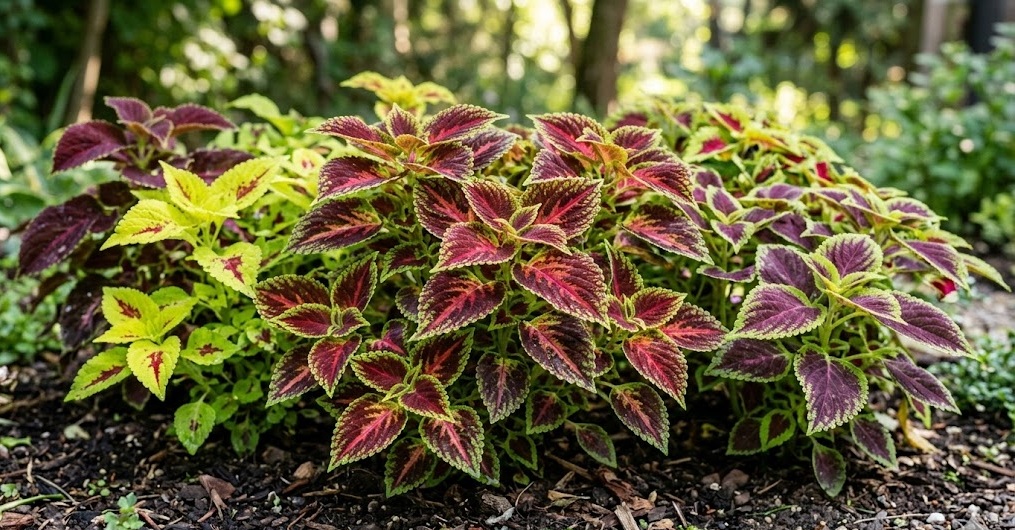

Preserving your favorite varieties through the cold months is a vital skill for any dedicated collector of these tropical gems. Since these plants cannot survive frost, you must develop a strategy to protect them before the temperatures drop too low in the autumn. Whether you choose to bring entire mother plants indoors or start fresh with small cuttings, the process requires careful timing and attention to environmental changes. This article details the professional methods for ensuring your collection survives the winter and returns with full vigor in the spring.
Preparing for the first frost
The timing of your overwintering efforts is the most critical factor in determining your overall success rate. You must keep a very close eye on the local weather forecast as soon as the nights begin to feel crisp and temperatures dip below twelve degrees Celsius. It is a common mistake to wait until the night of the first predicted frost, as the plants may have already suffered cold stress by then. A proactive approach involves starting the transition at least two weeks before the historical frost date for your specific region.
Before moving any plants indoors, you should perform a thorough health inspection and a rigorous cleaning process. This involves removing any dead or yellowing leaves and checking every nook and cranny for pests like mealybugs or spider mites. Bringing pests into your home can lead to an explosion in their population because of the warm, still air and the lack of natural predators. Giving the plants a gentle wash with a mild insecticidal soap can help ensure that you aren’t inviting any unwanted guests into your indoor growing space.
You should also take this opportunity to prune back the plants slightly to make them more manageable for indoor life. Reducing the foliage mass helps the plant cope with the lower light levels it will inevitably face inside your home. It also makes it easier to fit multiple specimens on a windowsill or under a grow light setup. Don’t be afraid to be a bit firm with the shears, as these plants are remarkably resilient and will quickly recover once they settle into their new environment.
If you are planning to overwinter through cuttings rather than whole plants, this is the perfect time to take them. Select healthy, vigorous stems and follow the standard propagation procedures to get them rooted before the deep winter sets in. Cuttings take up much less space and are often easier to keep healthy during the dark months than a large, established mother plant. Many professionals prefer this method because it essentially “reboots” the plant, resulting in a more compact and beautiful specimen for the following spring.
More articles on this topic
Moving plants indoors safely
The transition from the bright, humid outdoors to the relatively dry and dim interior of a house can be very stressful for a plant. You should try to make this change as gradual as possible to avoid a massive drop of leaves, which is the plant’s typical reaction to shock. Start by bringing the plants inside only at night for a few days, then slowly increase their time indoors over the course of a week. This allows the internal physiology of the plant to adjust to the different light intensity and humidity levels.
Finding the right spot inside your home is the next challenge, with light being the most important consideration for maintaining leaf color. A south-facing window usually provides the most consistent light, but even this may not be enough during the short days of December and January. You might notice that the colors fade and the stems become “leggy” as the plant stretches toward the available light. If this happens, supplementing with a full-spectrum LED grow light for ten to twelve hours a day will make a world of difference.
Temperature management is equally important, as you want to avoid placing your plants near drafty windows or hot radiators. While they love warmth, the blast of dry air from a heating vent can quickly dehydrate the leaves and encourage spider mites. Aim for a consistent room temperature between eighteen and twenty-four degrees Celsius, which is comfortable for both humans and tropical plants. Keeping the plants away from direct sources of heat or cold air will help maintain a stable microclimate that supports steady, if slower, growth.
Humidity is often the missing piece of the puzzle when it comes to successful indoor overwintering. Most homes are notoriously dry during the winter, which can lead to brown leaf edges and a general lack of luster in your collection. Placing your pots on a tray filled with pebbles and water or using a small room humidifier can significantly improve the air quality around the plants. Grouping your plants together also helps, as they naturally release moisture into the air through transpiration, creating a small zone of higher humidity.
More articles on this topic
Dormancy and reduced maintenance
Once your plants are settled indoors, you will notice a significant slowdown in their growth rate as they enter a semi-dormant state. This is a natural response to the lower light levels and is not a cause for concern as long as the plant remains firm and healthy. During this time, you must strictly resist the urge to over-water or over-fertilize, as the plant simply cannot use the extra resources. In fact, more plants are lost to “kindness” during the winter than to any other cause.
You should only water when the top few centimeters of the soil feel quite dry to the touch, which might be only once every ten to fourteen days. When you do water, use room-temperature water and ensure that it drains away completely so the roots aren’t sitting in a cold puddle. Overwatering in the winter is the fastest way to trigger root rot, which can kill a plant in a matter of days in the cool, still air. Observing the weight of the pot and the turgidity of the leaves will tell you exactly when the plant truly needs a drink.
Fertilization should be stopped entirely during the darkest months of the year, usually from November through February. Feeding a dormant plant can lead to a buildup of salts in the soil and can also encourage weak, spindly growth that is susceptible to pests. You want the plant to “rest” and maintain its current size rather than pushing for new growth that it cannot properly support. Only resume a light feeding schedule once you see the first signs of vigorous new shoots as the spring days begin to lengthen.
Regularly check your plants for any signs of stress or the emergence of pests throughout the winter months. Because the air is still and the plants are closer together, a single mealybug can quickly become a major problem if not caught early. Use a damp cloth to wipe dust off the leaves occasionally, which helps the plant breathe and allows you to inspect it closely. Keeping the plants clean and the environment stable is the best way to ensure they make it through to the spring in good condition.
Reintroducing plants to the garden
As the days grow longer and the danger of frost begins to pass, it is time to start thinking about moving your collection back outside. This process, known as hardening off, is just as important as the transition into the house was in the autumn. You should never move a plant directly from a dim room into the full sun, as the tender leaves will be scorched within hours. Start by placing them in a sheltered, shady spot for an hour or two each day and gradually increase their exposure over two weeks.
Watch the nighttime temperatures closely and bring the plants back inside if there is any threat of a sudden cold snap. The new growth that developed indoors is particularly sensitive and can be easily damaged by temperatures below ten degrees Celsius. Only when the nights are consistently warm can you leave them outside permanently and begin to transplant them into their final garden beds or large decorative pots. This patience will be rewarded with much healthier plants that hit the ground running as soon as the real heat of summer arrives.
Spring is also the ideal time to perform a “rejuvenation prune” on any plants that became leggy or unattractive during the winter. You can cut the stems back quite significantly to encourage fresh, bushy growth from the base of the plant. These cuttings can also be used to start even more new plants, further expanding your collection for the upcoming season. With a little bit of care and a fresh supply of fertilizer, your overwintered specimens will quickly regain their spectacular size and color.
By successfully overwintering your collection, you are not just saving money but also preserving specific cultivars that might not be available at the garden center every year. It allows you to start the season with much larger, more established plants that will provide an instant impact in your landscape. This cycle of protection and renewal is one of the most rewarding aspects of professional gardening. Your dedication to these tropical beauties through the cold months ensures a spectacular and vibrant display for many summers to come.