
While sweet corn is not traditionally pruned like a fruit tree or a tomato plant, there are specific techniques you can use to manage its growth and energy. Understanding which parts of the plant are essential and which are optional allows you to influence the airflow and the final quality of the ears. A professional approach to “cutting back” involves a light touch and a clear goal, such as improving stability or reducing disease pressure. By following these expert guidelines, you can refine your corn patch for better performance.
Managing tillers or suckers
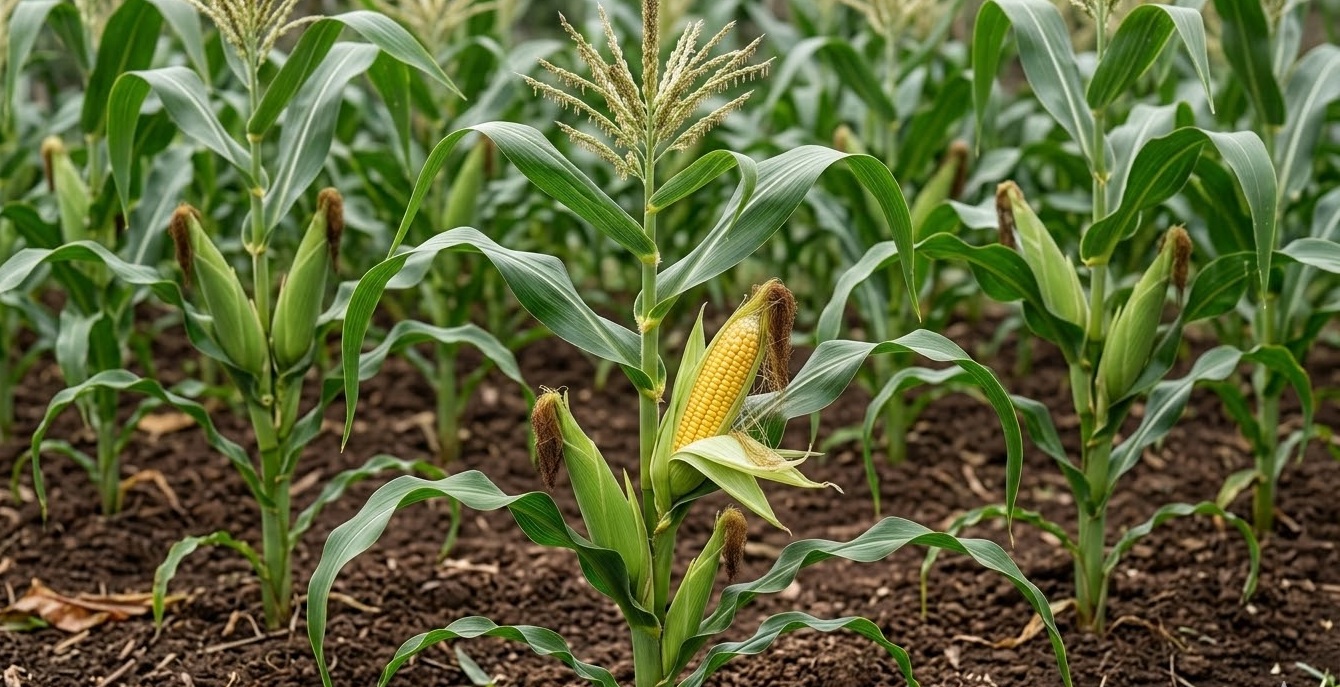
Tillers, commonly known as “suckers,” are the small side-shoots that often appear at the base of a sweet corn stalk. Many amateur gardeners believe these shoots are “stealing” energy from the main ear and should be removed immediately. However, professional agricultural research has shown that these tillers actually have their own root systems and contribute energy to the overall plant. In most cases, removing them can do more harm than good by creating an open wound that invites disease.
The extra leaf surface provided by these suckers actually increases the total photosynthetic capacity of the entire corn plant. This extra energy can lead to better-filled ears and a more robust root system that helps the plant withstand drought. You should only consider removing them if they are making the rows so dense that airflow is completely blocked. In a typical garden setting, it is usually best to leave them alone and let the plant manage its own biomass.
If you do decide to remove suckers for the sake of improved airflow or accessibility, you must do it while they are very small. Using a sharp, clean knife to make a quick cut is much better than trying to pull them off by hand. Pulling can easily tear the outer skin of the main stalk, leading to significant stress and a potential entry point for fungi. Always perform any thinning or pruning on a dry, sunny day to allow the plant to heal the wound as quickly as possible.
Observing how different varieties produce suckers is an interesting part of being a professional corn grower. Some modern hybrids have been bred to produce very few tillers, while older heirloom types may be quite prolific in their side-growth. By keeping notes on these growth habits, you can better plan your spacing and maintenance routine for the following year. Understanding the natural architecture of the plant is the first step in deciding when intervention is actually necessary.
More articles on this topic
Topping for stability and harvest
“Topping” is a technique where you cut off the portion of the stalk above the ear after the pollination process is completely finished. You should never do this before the silks have turned brown, as you would be removing the tassels and the source of pollen. Some growers use this method in late summer to reduce the height of the corn and make it less susceptible to being blown over by autumn storms. It also makes the final harvest slightly easier by bringing the ears into clearer view.
By removing the top of the stalk, you are effectively telling the plant to stop investing in vegetative growth and focus entirely on the ears. While the impact on kernel sweetness is minimal, it can sometimes speed up the final drying process of the husks. This can be an advantage if you are facing an early frost and need to get the crop off the field quickly. However, you must remember that you are also reducing the total leaf area, so this should only be done very late in the season.
The physical process of topping should be done carefully to avoid damaging the developing ears or the remaining leaves below the cut. You should use a sharp bypass pruner and make a clean, angled cut several inches above the topmost ear. This allows rainwater to run off the cut end rather than sitting on top of it and potentially causing rot. A clean cut also heals faster and is less likely to become a target for pests like the corn borer.
In very windy locations, topping can be a literal lifesaver for a tall sweet corn crop that is top-heavy with ripening ears. By lowering the center of gravity, you make the plants much more stable and less likely to lean or lodge. This is a common practice in some commercial settings where large-scale wind damage could be catastrophic. For the home gardener, it is an optional tool that you can use based on your specific local environment and weather patterns.
More articles on this topic
Cleaning lower foliage for airflow
Removing the very bottom leaves of the corn stalk is a subtle form of pruning that can have significant benefits for plant health. These lower leaves are often the first to turn yellow as the plant matures and are frequently in contact with the soil. By clearing them away, you create a “clear zone” at the base of the plant that allows air to circulate much more freely. This simple action can drastically reduce the humidity levels that encourage the growth of soil-borne fungi.
You should wait until the lower leaves have naturally begun to fade or show signs of age before removing them. This ensures that you are not taking away productive leaf area while the plant is still in its most active growth phase. Use your hand or a pair of small snips to remove any leaves that are touching the ground or that look diseased. Keeping the base of the stalks “clean” also makes it much easier to see any pests like slugs or beetles that might be hiding there.
Improved visibility is another practical reason for clearing the lower foliage in a professional sweet corn patch. It allows you to monitor the soil moisture more accurately and to apply fertilizer or mulch with greater precision. You can also see the development of the “brace roots”—those thick, finger-like roots that emerge above the soil to provide extra support. Ensuring these roots have clear space to reach the ground is vital for the overall structural integrity of the plant.
Always dispose of any pruned leaf material by removing it from the garden area, especially if it shows signs of rust or blight. Leaving the debris on the ground at the base of the plants defeats the purpose of the cleaning by providing a habitat for pathogens. You can add healthy green leaves to a hot compost pile where the heat will break down the organic matter and kill any stray spores. This level of hygiene is what separates a professional maintenance routine from a casual one.
Timing and environmental considerations
The timing of any pruning or cutting back is the most critical factor in determining whether the intervention is helpful or harmful. You should never perform these tasks during a period of extreme heat or drought, as the plant is already under significant stress. Pruning creates an immediate need for the plant to heal, which requires extra water and metabolic energy. Waiting for a cooler, overcast day with a favorable weather forecast is the most professional way to proceed.
Hygiene is the second pillar of successful corn maintenance that you must always prioritize. Your tools should be sharp to ensure clean cuts and should be disinfected between different blocks of corn. This prevents the accidental transfer of systemic diseases like bacterial wilt from one area of your garden to another. A professional gardener treats their tools with the same care as a surgeon, knowing that cleanliness is the best form of prevention.
It is also important to consider the specific variety of sweet corn you are growing before you start cutting anything back. Some dwarf varieties or those bred for container gardening are already naturally compact and do not require any height management. On the other hand, some tropical-leaning heirlooms can grow to incredible heights and may truly benefit from some late-season topping. Researching the expected growth habit of your chosen seeds allows you to tailor your maintenance plan perfectly.
In summary, while sweet corn doesn’t “need” pruning in the traditional sense, these specialized techniques give you more control over your garden. Whether you are managing suckers for better light or topping for wind protection, every cut should be made with a specific purpose. By observing the results of your interventions over several seasons, you will develop the “grower’s intuition” that defines a true expert. Consistent care and thoughtful management are the keys to a truly exceptional sweet corn harvest.