
Providing the correct balance of water and nutrients is the most effective way to influence the quality of your sweet corn harvest. These plants are biological factories that convert sunlight, water, and minerals into sweet, succulent kernels at a very rapid pace. Without a consistent supply of these raw materials, the plants will prioritize survival over ear production, leading to disappointing results. A professional irrigation and fertilization schedule ensures that your sweet corn never experiences a day of deficiency.
Critical irrigation periods
While sweet corn needs water throughout its life, there are specific windows where moisture is absolutely non-negotiable. The first of these occurs during the early vegetative stage when the plant is building its massive leaf structure. You must keep the soil consistently damp to support this rapid expansion and to prevent the stalks from becoming stunted. A lack of water at this stage can limit the plant’s future ability to capture sunlight and produce sugars.
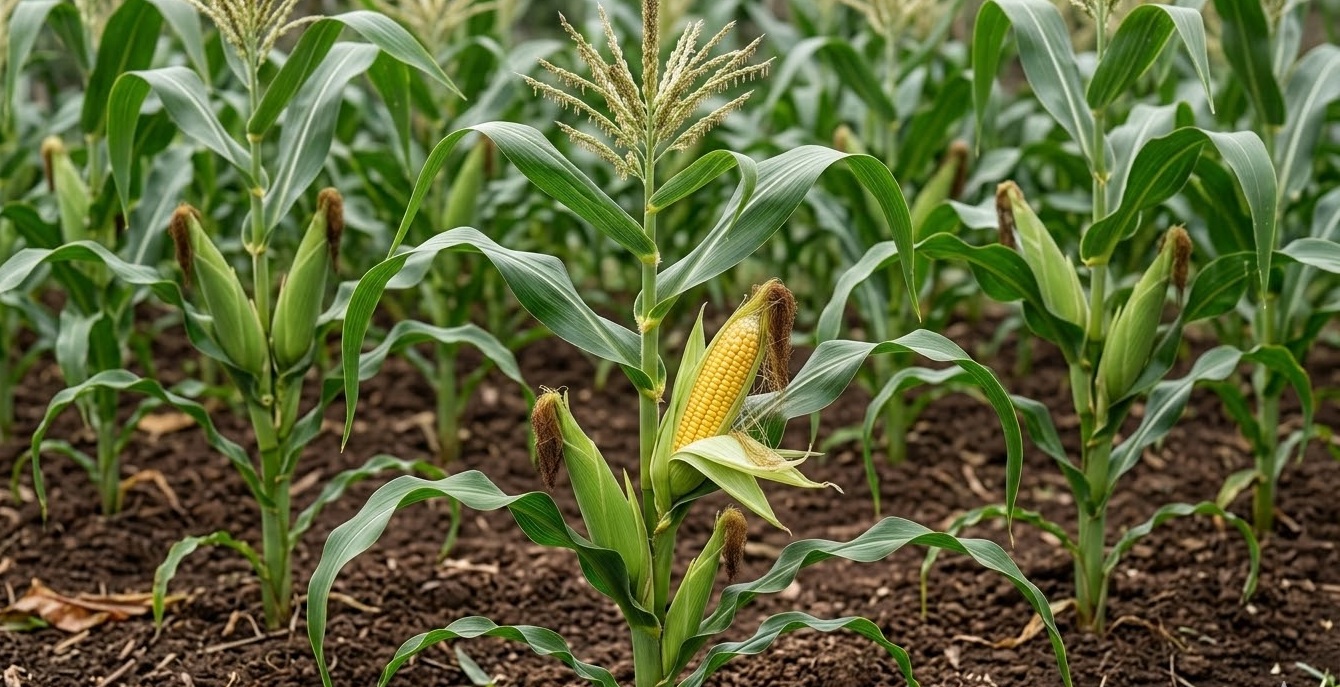
The most vital time for irrigation is undoubtedly the period from tasseling through the completion of silking. This is the reproductive phase where the physical foundations of the ears and kernels are being established. If the plant is thirsty during this time, the silks may emerge late or dry out before they can be pollinated. This results in “blank” spots on the cob where no kernels develop, which is the most common failure for amateur growers.
Kernel filling is the final stage where water remains a critical component of the growing process. Once the corn has been pollinated, the plant begins to pump large amounts of water and dissolved sugars into the kernels. You should maintain high soil moisture levels during this roughly three-week period to ensure the kernels are plump and juicy. If the soil dries out now, the corn will become tough and starchy, losing the characteristic sweetness that defines the crop.
Recognizing the signs of water stress is a skill that every serious gardener should develop. You will see the leaves begin to roll tightly into a “pencil” shape when the plant is trying to conserve moisture. This is a clear distress signal that the plant’s internal pressure is dropping and growth has likely stopped. You should aim to water before these symptoms appear, maintaining a proactive rather than a reactive approach to irrigation.
More articles on this topic
Irrigation methods and efficiency
Drip irrigation is the most recommended method for watering sweet corn because it delivers water precisely where it is needed. By placing the tubing along the base of the rows, you ensure the roots get a direct supply while the leaves remain dry. This targeted approach reduces water waste through evaporation and keeps the humidity around the stalks manageable. It also allows you to water at any time of day without worrying about the sun burning wet leaves.
Overhead sprinkling is an alternative that can work, but it comes with several significant drawbacks. Watering from above can wash pollen off the tassels and silks, potentially interfering with the pollination process if timed poorly. It also creates a damp environment on the foliage that is highly conducive to the spread of fungal diseases like rust. If you must use a sprinkler, do so early in the morning so the plants have plenty of time to dry before nightfall.
Furrow irrigation is an old-school technique that involves running water down small trenches between the rows of corn. This can be very effective in heavy soils where water might otherwise sit on the surface for too long. However, it requires a level planting site and a significant volume of water to be successful. You must also be careful that the moving water does not erode the soil away from the base of the plants and expose the roots.
Regardless of the method you choose, deep watering is always superior to frequent, light applications. You want the moisture to penetrate at least thirty centimeters into the ground to encourage a deep and stable root system. This makes the plants much more resilient to heatwaves and strong winds that might occur later in the season. A well-hydrated plant with deep roots is much more efficient at absorbing the nutrients you provide through fertilization.
More articles on this topic
Nitrogen requirements and timing
Sweet corn has a legendary appetite for nitrogen, which is the primary driver of its impressive vegetative growth. You should plan for a multi-stage fertilization strategy rather than applying all your nitrogen at the beginning of the season. The first application should happen just after planting to give the young seedlings a strong start. This initial boost helps the plant establish a healthy green canopy that will fuel the rest of its development.
The “side-dressing” technique is the most professional way to provide nitrogen during the middle of the growing season. This involves applying fertilizer in a shallow trench or on the surface along the side of the corn rows. You should do this when the corn is about knee-high, which is just before its most explosive growth phase begins. This ensures the nitrogen is available exactly when the plant’s demand for it reaches its peak.
Choosing the right source of nitrogen can depend on your specific gardening philosophy and soil type. Organic options like blood meal, feather meal, or well-aged poultry manure provide a slow-release supply of nutrients. Synthetic fertilizers offer a more immediate response but can be easily leached out of the soil by heavy rains or excessive irrigation. Many successful growers use a combination of both to provide both immediate support and long-term fertility.
Over-fertilizing with nitrogen can also lead to problems, so you must find the correct balance for your garden. Too much nitrogen late in the season can lead to excessive leaf growth at the expense of ear development. It can also make the plants more attractive to certain pests, like aphids, which thrive on succulent, nitrogen-rich growth. Following the recommended application rates for your specific variety is the best way to avoid these common pitfalls.
Potassium and phosphorus balance
Phosphorus is essential for the early stages of sweet corn development, specifically for root growth and energy transfer. Most growers incorporate a high-phosphorus “starter” fertilizer into the soil during the bed preparation phase. This ensures that as soon as the seeds germinate, they have immediate access to the minerals they need for a strong foundation. Without adequate phosphorus, the young plants may appear purple or stunted, and their overall maturity will be delayed.
Potassium plays a vital role later in the season, particularly during the formation of the ears and kernels. It is responsible for regulating the plant’s water balance and for the transport of sugars from the leaves to the cob. A steady supply of potassium helps the corn withstand environmental stress and improves the overall quality of the harvest. You can provide this through wood ashes, greensand, or balanced commercial fertilizers that contain a significant “K” component.
Soil testing is the only way to know for sure if your phosphorus and potassium levels are in the optimal range. Many garden soils actually have an excess of these minerals, meaning additional applications would be a waste of money and potentially harmful to the environment. A professional soil analysis will give you specific recommendations on how to adjust your fertilization plan. This scientific approach takes the guesswork out of nutrient management and leads to more consistent results.
The interaction between different minerals in the soil can also affect how well your sweet corn grows. For example, too much of one nutrient can sometimes block the plant’s ability to absorb another, even if it is present in the soil. Maintaining a balanced soil environment with plenty of organic matter is the best way to ensure all nutrients are available. This holistic view of soil health is what separates expert corn growers from those who simply follow a schedule.
Micronutrients and foliar feeding
While nitrogen, phosphorus, and potassium are the “big three,” several micronutrients are also critical for sweet corn health. Zinc, in particular, is often a limiting factor for corn growth, especially in soils with a high pH or those that are very cold in the spring. A deficiency in zinc can cause yellow stripping on the leaves and can lead to shortened internodes, giving the plant a bunched appearance. Magnesium is another element that corn requires in small amounts for efficient chlorophyll production.
Foliar feeding is a specialized technique where you spray a diluted nutrient solution directly onto the leaves of the plant. This allows the corn to absorb minerals almost immediately, bypassing any issues with soil chemistry or root uptake. It is an excellent way to provide a quick boost of micronutrients during periods of rapid growth or environmental stress. You should always perform foliar feeding in the early morning or evening to avoid leaf burn from the sun.
Using organic sea kelp or fish emulsion sprays can provide a wide array of trace minerals and natural growth hormones. These biological stimulants can help the corn plants recover from insect damage or small periods of drought. While foliar feeding should never replace a solid soil-based fertilization program, it is a valuable tool in the professional gardener’s toolkit. It provides that extra layer of care that can push a good crop into the realm of exceptional.
Keeping track of your fertilization and irrigation activities in a garden journal is a practice highly recommended by experts. You should note the dates of application, the amounts used, and how the plants responded in the following days. This historical data becomes incredibly valuable over time, allowing you to fine-tune your approach for your specific micro-climate. Constant learning and observation are the true secrets to mastering the irrigation and fertilization of sweet corn.