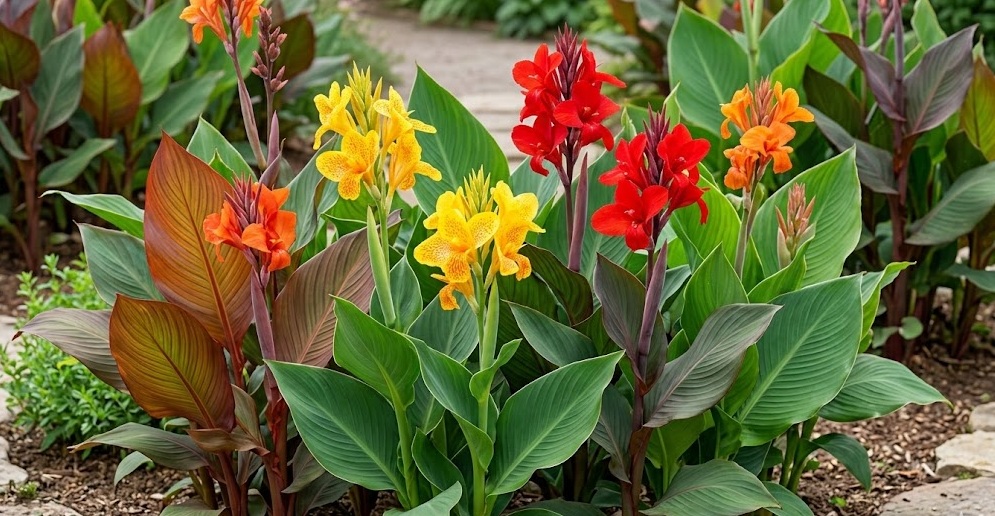

The relationship between these tropical plants and solar energy is a fundamental aspect of their physiology and overall health. You must recognize that their large, often colorful leaves are highly specialized organs designed to capture as much sunlight as possible. Providing the correct light environment is the most important factor in determining the intensity of their flower colors and the height of their stems. This article explores the professional understanding of light management for these impressive garden specimens.
Full sun is the natural preference for these plants, as they have evolved in open, tropical environments with little to no canopy cover. You should aim to provide at least six to eight hours of direct, unobstructed sunlight every single day for the best results. Without this intensity of light, the plants will often become leggy and weak as they stretch toward the nearest light source. Sunlight also provides the necessary thermal energy to drive the rapid metabolic processes required for their fast growth.
In cooler climates, the importance of maximum sun exposure becomes even more critical for the plant’s success and survival. You should place them in the warmest part of your garden, perhaps near a south-facing wall that reflects additional heat and light. This extra energy helps compensate for the shorter growing season and ensures that the plants have enough time to flower. Even in these environments, the plants will perform significantly better if they are not shaded by nearby trees or structures.
While they love the sun, there are specific situations where a little bit of protection might be beneficial for certain varieties. You should be aware that extreme afternoon heat in very hot climates can sometimes cause the edges of the leaves to scorch. In these cases, providing some filtered light during the hottest part of the day can help preserve the aesthetic quality of the foliage. However, this should never come at the expense of the total daily light required for healthy flower production.
Optimizing light for different varieties
The color of the foliage is often a good indicator of a specific variety’s light preferences and tolerances. You should know that varieties with dark purple or bronze leaves generally require more intense sunlight to maintain their deep hues. If these plants are grown in too much shade, their leaves will often revert to a duller, more greenish color. Providing maximum light ensures that the anthocyanin pigments responsible for the dark colors are fully developed and vibrant.
More articles on this topic
Variegated varieties, on the other hand, often have a slightly different relationship with the sun than their solid-colored relatives. You should monitor these plants carefully, as the lighter, non-pigmented areas of the leaves are much more susceptible to sunburn. If you notice white or yellow patches turning brown and crispy, it may be a sign that the light is too intense. Finding the perfect balance for these unique plants is one of the more subtle skills of a professional gardener.
The height of the plant can also be influenced by the quality and direction of the light it receives throughout the day. You should try to provide light from directly overhead if possible to encourage straight and upright growth of the main stems. Plants that receive light mostly from one side will often lean significantly, which can make them more prone to falling over. Using reflective surfaces or careful spacing can help ensure that light reaches all parts of the plant evenly.
If you are growing these plants indoors or in a greenhouse, the type of light source becomes a major consideration for their health. You should use full-spectrum grow lights that mimic the natural range of the sun’s radiation as closely as possible. Standard indoor lighting is usually not intense enough to support the high energy demands of these tropical giants for very long. Professional greenhouse managers often use supplemental lighting to ensure consistent growth rates during the darker months of the year.
Managing light throughout the season
As the season progresses and the angle of the sun changes, the light patterns in your garden will also shift naturally. You should pay attention to how moving shadows from nearby buildings or trees might affect your plants over time. What was a full-sun location in June might become significantly more shaded by late August or September. Being aware of these changes allows you to adjust your maintenance routines or plan better for the following growing season.
More articles on this topic
The intensity of light also affects the plant’s water and nutrient consumption rates, which you should monitor closely. You should expect that plants in full sun will dry out much faster and require more frequent fertilization than those in partial shade. This increased activity is a direct result of the higher photosynthetic rate driven by the abundance of solar energy. A professional approach involves adjusting all your care tasks to match the specific light environment of each individual plant.
During the early stages of growth, providing plenty of light is essential for developing a strong and sturdy foundation. You should ensure that emerging shoots are not shaded by weeds or other garden debris that might hinder their initial progress. As the plants grow taller, they will naturally begin to shade their own lower leaves and the ground around them. This self-shading can help keep the root zone cooler, which is beneficial during the extreme heat of mid-summer.
Finally, understanding the photoperiodic response of your plants can help you anticipate their flowering and dormancy cycles. You should notice that the reduction in daylight hours in late summer triggers the plant to start storing energy in its rhizomes. This natural reaction is a vital part of the plant’s preparation for the winter months ahead in its life cycle. A professional gardener works with these natural rhythms to ensure the long-term health and success of their entire collection.