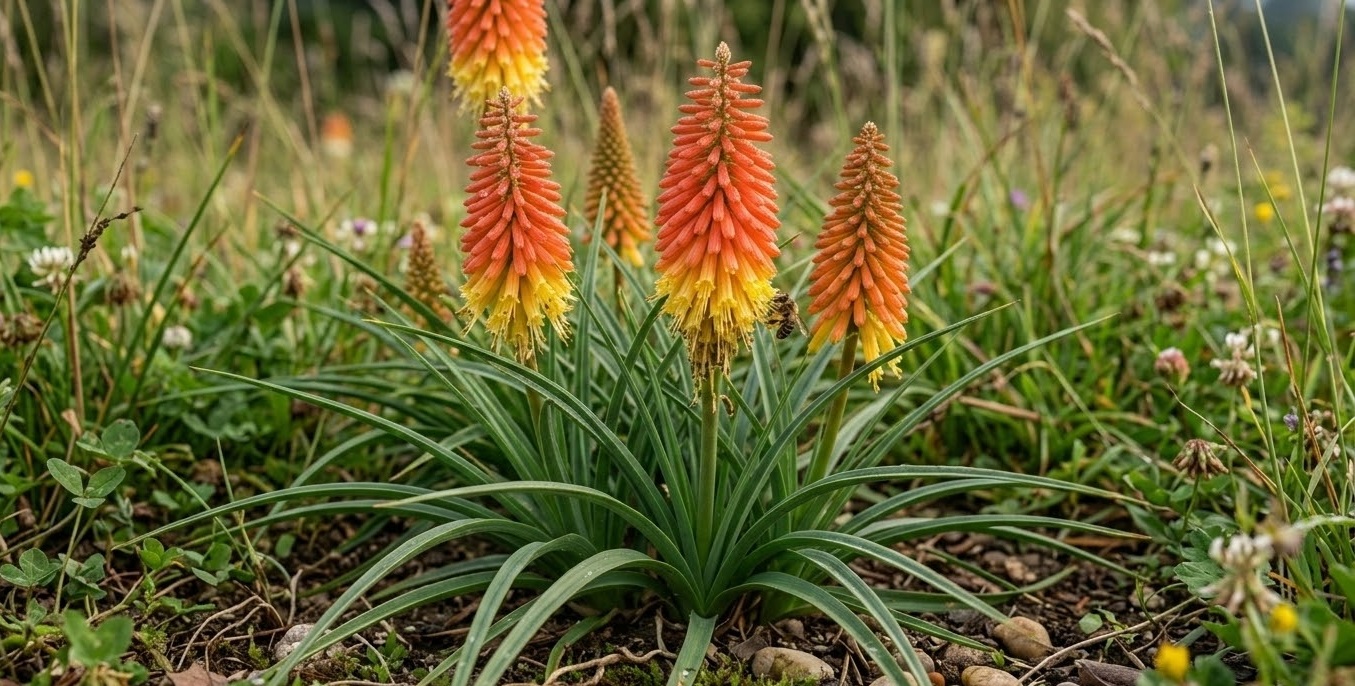

Protecting the red hot poker from biological threats is essential for maintaining its striking appearance and structural integrity. While this perennial is generally considered a low-maintenance and robust plant, it is not entirely immune to the pressures of the ecosystem. As an expert, you should practice proactive monitoring to catch any issues before they become widespread problems. Understanding the specific pests and diseases that target this species will allow you to keep your garden healthy and vibrant throughout the season.
Common insect pests and their management
The most frequent visitors to the red hot poker are aphids, which often congregate on the succulent new growth and the flower buds. These small insects suck the sap from the plant, causing distorted leaves and a general decline in vigor. You can usually spot them by the sticky “honeydew” they leave behind, which can sometimes lead to the growth of sooty mold. A strong blast of water from a garden hose is often enough to dislodge them without the need for harsh chemicals.
Thrips are another pest that can cause significant aesthetic damage, especially to the developing flower spikes. These tiny, slender insects feed by puncturing the plant cells and sucking out the contents, leaving behind silvery streaks or brown patches. Because they are so small and often hide deep within the flower structures, they can be difficult to see until the damage is already done. Maintaining good garden hygiene and removing heavily infested parts can help keep their populations under control.
Slugs and snails are particularly attracted to the base of the red hot poker, where the dense foliage provides a cool, damp hiding place. They can chew large holes in the leaves, especially during wet weather or in the early spring when the growth is tender. You can manage these pests by using organic baits or by creating barriers around the base of the plant. Clearing away excessive mulch or debris from the crown of the plant will also remove their favorite hiding spots and reduce their impact.
In some regions, you may also encounter scale insects or spider mites, particularly if the plant is grown in a very sheltered or dry location. These pests thrive in stagnant air and can cause the foliage to look dusty or mottled over time. Increasing air circulation around the plants and ensuring they are not under water stress can make them less attractive to these opportunistic feeders. Regular inspection of the undersides of leaves is a professional habit that will help you catch these pests early.
More articles on this topic
Fungal and bacterial infections to watch for
Root rot is the most serious disease affecting the red hot poker and is almost always caused by poor drainage or overwatering. Fungal pathogens like Phytophthora thrive in saturated soil and quickly attack the fleshy roots and the crown of the plant. You will first notice the foliage turning yellow or wilting, even if the soil is wet, as the damaged roots can no longer take up water. Preventing this disease through proper site selection and soil preparation is far easier than trying to cure it once it takes hold.
Leaf spot is a common fungal issue that presents as small, dark lesions on the foliage, often appearing during periods of high humidity. While it is rarely fatal, a severe infection can weaken the plant and make it look unsightly in a professional landscape. To minimize the spread of fungal spores, you should avoid overhead watering and ensure there is plenty of space between your plants. Removing and destroying infected leaves at the end of the season can also help reduce the amount of inoculum present for the following year.
Bacterial soft rot can occasionally occur if the crown of the plant is damaged or if it remains too wet during the winter months. This condition is characterized by a foul-smelling, mushy decay at the base of the plant that can spread rapidly through the clump. If you notice these symptoms, you should immediately remove the affected sections and improve the drainage of the area. Using clean, sterilized tools when dividing or pruning the plants is a vital step in preventing the transmission of bacterial pathogens.
Powdery mildew is another fungal disease that might appear as a white, flour-like coating on the leaves during warm, dry days with high nighttime humidity. This usually happens in late summer and can be managed by improving airflow and ensuring the plant has adequate water. While it primarily affects the appearance of the foliage, it can reduce the plant’s overall photosynthetic capacity if left unchecked. Selecting resistant cultivars and maintaining optimal growing conditions are your best professional defenses against this common garden problem.
More articles on this topic
Identifying physiological stress and environmental issues
Not all problems with the red hot poker are caused by living organisms; many are the result of environmental or physiological stress. Leaf tip burn is a frequent issue that can be caused by irregular watering, excessive wind, or even a buildup of salts in the soil. You will see the ends of the leaves turning brown and crispy, which can detract from the plant’s architectural beauty. Providing a consistent watering schedule and protecting the plant from harsh, drying winds can help prevent this unsightly damage.
Sunscald can occur if a plant that has been growing in a sheltered or shaded area is suddenly exposed to intense, direct sunlight. This typically happens after a surrounding plant has been removed or if you have recently moved a container-grown specimen. The affected leaves will develop bleached or papery patches where the sun has damaged the internal tissues. You can avoid this by gradually acclimating plants to new light levels or by providing temporary shade during the hottest part of the day.
Nutrient deficiencies can also manifest as symptoms that look like diseases to the untrained eye. For example, a lack of iron can cause chlorosis, where the leaves turn yellow while the veins remain green. This is often a sign that the soil pH is too high, making the iron unavailable to the plant’s roots. As an expert, you should use these visual cues to diagnose the underlying soil conditions and apply the correct amendments rather than reaching for a generic fungicide or pesticide.
Frost damage is a seasonal stressor that can affect the foliage of the red hot poker in late winter or early spring. If a sudden cold snap occurs after the plant has started its new growth, the tender shoots may turn black and die back. While this is frustrating, a healthy plant will usually recover and produce new leaves as the weather warms up. Tying the leaves together over the crown in winter is a professional technique to protect the most vulnerable part of the plant from these temperature swings.
Organic and integrated pest control methods
In a professional and eco-friendly garden, the first line of defense should always be cultural and biological control rather than chemical intervention. Encouraging natural predators like ladybugs, lacewings, and hoverflies can keep aphid and mite populations in check without any effort on your part. You can attract these beneficial insects by planting a variety of flowers that provide them with nectar and pollen throughout the season. This holistic approach creates a more stable and resilient garden ecosystem that manages itself over time.
Neem oil and insecticidal soaps are excellent organic options for dealing with persistent pest outbreaks that natural predators cannot handle. These products work by physical action or by disrupting the life cycle of the insects, and they have a low impact on non-target species. You should always apply these treatments in the late evening to avoid harming bees and other pollinators that are active during the day. Following the label instructions carefully ensures that you use enough to be effective without causing any phytotoxicity to the plant.
Copper-based fungicides are often used in organic gardening to manage leaf spot and other fungal diseases. These products provide a protective barrier on the leaf surface that prevents spores from germinating and entering the plant tissues. Because they work preventatively, they should be applied before the disease becomes widespread, especially during periods of wet weather. Regular monitoring allows you to time these applications perfectly for maximum benefit and minimal waste.
Hand-picking is a simple but highly effective professional method for managing larger pests like slugs, snails, and certain caterpillars. A quick tour of the garden in the early morning or late evening with a flashlight can reveal many of the hidden culprits. By physically removing them from the area, you immediately reduce the damage and prevent them from laying the next generation of eggs. This direct intervention is often more effective and targeted than broadcasting baits or sprays across the entire garden bed.
Preventive garden hygiene and best practices
The best way to manage pests and diseases is to prevent them from entering your garden in the first place through strict hygiene. Always inspect new plants thoroughly before bringing them home from a nursery to ensure they are free of any hitchhiking insects or signs of illness. Quarantining new arrivals for a few weeks is a professional practice that can save you a lot of trouble in the long run. Healthy, vigorous plants are much better at resisting attacks than those that are already stressed or weakened.
Cleaning and disinfecting your gardening tools between plants is another essential habit that prevents the spread of pathogens. This is particularly important when you are pruning or dividing perennials, as open wounds provide an easy entry point for bacteria and fungi. A simple solution of rubbing alcohol or a mild bleach mixture can be used to wipe down your shears and spades. Taking these extra few minutes for each task is a hallmark of a professional approach to horticulture and plant health care.
Removing dead or diseased plant material from the garden at the end of the season is a vital step in breaking the life cycles of many pests and diseases. Fungal spores and insect eggs often overwinter in the leaf litter, ready to re-emerge as soon as the weather warms up. Instead of composting this potentially contaminated material, you should dispose of it in the trash or by burning it if local regulations allow. A clean garden bed in the spring provides a fresh start for your red hot pokers and other perennials.
Finally, maintaining the overall health of your garden through proper spacing, watering, and fertilization is the most effective preventive measure of all. A plant that is growing in its ideal conditions will naturally produce its own chemical defenses against many common threats. By focusing on the fundamental needs of the red hot poker, you create a garden that is not only beautiful but also robust and easy to manage. Professional excellence in the garden is built on a foundation of observation, consistency, and respect for natural processes.