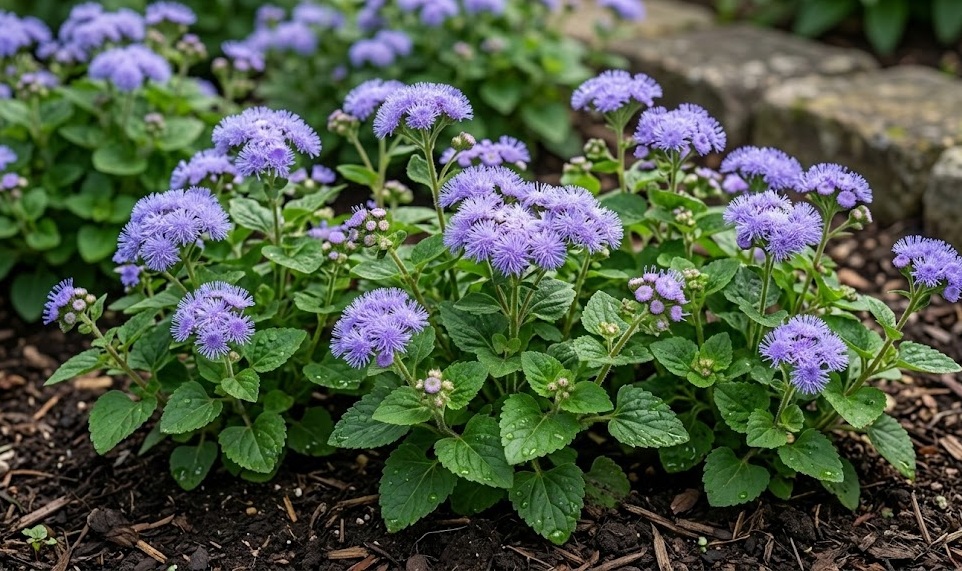

Mastering the irrigation and nutritional needs of your flossflower is the key to maintaining a lush, continuous bloom from early summer until the first frost. These plants have a specific metabolic rate that requires a steady supply of both water and minerals to sustain their dense foliage and fluffy flower clusters. Without proper hydration, the plants will quickly lose their vigor and become susceptible to environmental stressors and diseases. Providing the right nutrients at the right time ensures that the colors remain vivid and the stems stay strong and upright.
When it comes to watering, the goal is to keep the soil consistently moist but never saturated to the point of being soggy. Flossflowers have relatively shallow root systems, which means they can dry out faster than deeper-rooted perennials or shrubs. You should check the soil daily by sticking your finger about an inch into the ground to see if it feels dry. If the top layer of soil is parched, it is time to provide a deep and thorough watering that reaches the root zone.
The timing of your watering routine can have a significant impact on the overall health and appearance of your garden beds. It is always best to water in the early morning hours before the sun reaches its full intensity and temperatures begin to rise. This allows the plants to hydrate fully before they have to face the heat of the day, reducing the risk of wilting. Morning watering also gives the foliage time to dry off, which is a critical factor in preventing the growth of fungal pathogens.
During periods of extreme heat or prolonged drought, you may need to adjust your schedule to include a second watering in the late afternoon. However, you must be careful to avoid getting water on the leaves and flowers late in the day when the sun is low. Wet foliage during the night is the primary cause of many common garden problems, including powdery mildew and various types of rot. Always aim the water at the base of the plant, using a soaker hose or a watering can with a narrow spout for the best results.
Precision fertilization for vibrant blooms
To achieve the best results with your flossflowers, you need to provide a consistent supply of nutrients throughout the entire growing season. These plants are relatively heavy feeders because they put so much energy into producing their unique, complex flower heads. You should start with a balanced, slow-release granular fertilizer mixed into the soil at the time of planting. This provides a steady foundation of minerals that will support the initial growth of the leaves and stems.
More articles on this topic
Once the plants begin to set their first buds, you can switch to a fertilizer that is slightly higher in phosphorus to encourage more prolific flowering. Phosphorus is the key nutrient responsible for bloom development and root strength, making it essential for a showy garden display. You can apply a liquid fertilizer every two to three weeks to give the plants a quick boost during their peak production periods. Always make sure to water the plants thoroughly before and after applying any fertilizer to help distribute the nutrients and protect the roots.
It is important to avoid over-fertilizing with nitrogen, especially once the blooming season is in full swing. High nitrogen levels can cause the plant to produce a lot of soft, green leaves at the expense of the beautiful flowers you are trying to cultivate. Overly lush growth can also attract more pests and make the plant more vulnerable to physical damage from wind or heavy rain. A professional approach involves observing the plant’s response and adjusting your feeding schedule based on its actual performance and appearance.
Micronutrients like iron and magnesium also play a supporting role in the health and coloration of the foliage and flowers. If you notice the leaves turning a pale yellow while the veins stay green, it might be a sign of a mineral deficiency. Using a high-quality, complete fertilizer that includes these trace elements will help prevent such issues before they manifest. Healthy, well-fed plants are much better equipped to handle the stresses of the summer season and will continue to look beautiful for a longer period.
Soil moisture management and mulch
Maintaining the correct moisture balance in the soil is much easier when you utilize the professional technique of mulching. A thick layer of organic material acts like an insulating blanket, keeping the soil temperature stable and reducing evaporation from the surface. This means you won’t have to water as frequently, and the plants won’t experience the stress of constant drying and wetting cycles. Mulch also prevents the soil from crusting over, which allows water to penetrate more easily when you do irrigate.
More articles on this topic
The type of mulch you choose can also contribute to the long-term nutritional health of your garden soil. Materials like shredded leaves, cocoa hulls, or aged compost will slowly break down over time, adding valuable organic matter back into the earth. This process improves the soil structure and encourages the activity of beneficial organisms like earthworms and helpful bacteria. As these materials decompose, they release a small but steady stream of nutrients that the flossflower roots can easily absorb.
When applying mulch, you should be careful to keep it a few inches away from the main stems of the plants. If the mulch is piled up directly against the stems, it can hold too much moisture against the bark and lead to fungal rot or physical decay. A depth of two to three inches is usually sufficient to provide all the benefits of mulching without causing any harm to the plants. You should refresh the mulch layer once or twice during the season to maintain its effectiveness and keep the garden looking tidy.
In areas with very heavy rainfall, soil moisture management becomes a matter of ensuring that excess water can drain away quickly. If your garden beds tend to hold water for long periods, you might need to install raised beds or improve the drainage by adding coarse sand or grit. Flossflowers will quickly develop root rot if they are forced to sit in standing water for more than a day or two. Balancing moisture retention with effective drainage is the hallmark of a well-maintained and professional garden space.
Advanced irrigation techniques
For larger garden installations, using an automated drip irrigation system can be a highly efficient way to manage the watering needs of your plants. Drip systems deliver water directly to the root zone, minimizing waste from evaporation and ensuring that the foliage remains dry. You can set these systems on a timer to provide consistent hydration, which is much better for the plants than sporadic, heavy watering. This technology allows you to maintain a professional-level garden even if you have a busy daily schedule.
If you are watering by hand, it is important to understand the concept of “deep watering” versus shallow sprinkling. Lightly wetting the surface of the soil every day encourages the roots to stay near the top, where they are more vulnerable to heat and drought. Instead, you should provide a larger volume of water less frequently, allowing it to soak deep into the earth where the roots can follow. This creates a more resilient plant that can better withstand several days of hot weather without needing immediate attention.
Observing the way water moves through your soil can give you valuable insights into its overall composition and health. If the water beads up on the surface or runs off without soaking in, your soil might be hydrophobic or overly compacted. You can remedy this by gently aerating the surface with a hand tool or adding a natural wetting agent to your irrigation water. Proper water penetration is essential for ensuring that the entire root system has access to the hydration it needs to support the plant’s growth.
Using captured rainwater is another excellent practice that is both environmentally friendly and beneficial for your plants. Rainwater is naturally soft and free from the chemicals often found in municipal tap water, such as chlorine or fluoride. Many gardeners find that their plants respond with more vigorous growth when they are irrigated with natural rainwater collected in barrels. It is a simple way to provide a higher quality of care for your flossflowers while also conserving precious resources.
Recognizing signs of water and nutrient stress
Being able to identify the early warning signs of stress is one of the most important skills a professional gardener can develop. When a flossflower is thirsty, the first sign is usually a loss of shine on the leaves, followed by a general drooping of the entire plant. If the stress continues, the lower leaves may turn yellow and eventually drop off as the plant tries to conserve its remaining resources. Catching these signs early and providing a thorough watering can usually revive the plant within a few hours.
Nutrient deficiencies often manifest as specific patterns of discoloration or stunted growth in the foliage and stems. For example, a lack of nitrogen usually results in a pale green or yellowish tint across the entire plant, starting with the older leaves. A phosphorus deficiency might cause the leaves to take on a purplish hue and will significantly reduce the number of flowers produced. By learning these visual cues, you can diagnose problems quickly and provide the specific fertilizer needed to correct the imbalance.
On the other hand, over-watering and over-fertilizing can also cause significant problems that may be harder to fix. Symptoms of over-watering often look similar to under-watering, including wilting and yellowing, because the waterlogged roots are unable to function properly. If you see signs of stress but the soil is already wet, do not add more water; instead, let the area dry out and check the drainage. Similarly, if you notice the leaf tips turning brown and crispy, it might be a sign of “fertilizer burn” caused by an excess of salts in the soil.
Regularly testing your soil with a professional kit can take the guesswork out of your fertilization and watering routine. These tests provide accurate data on the pH levels and the concentrations of major nutrients like nitrogen, phosphorus, and potassium. Armed with this information, you can tailor your care plan to match the exact needs of your garden environment. This scientific approach ensures that your flossflowers have every advantage they need to produce a spectacular and long-lasting floral display.