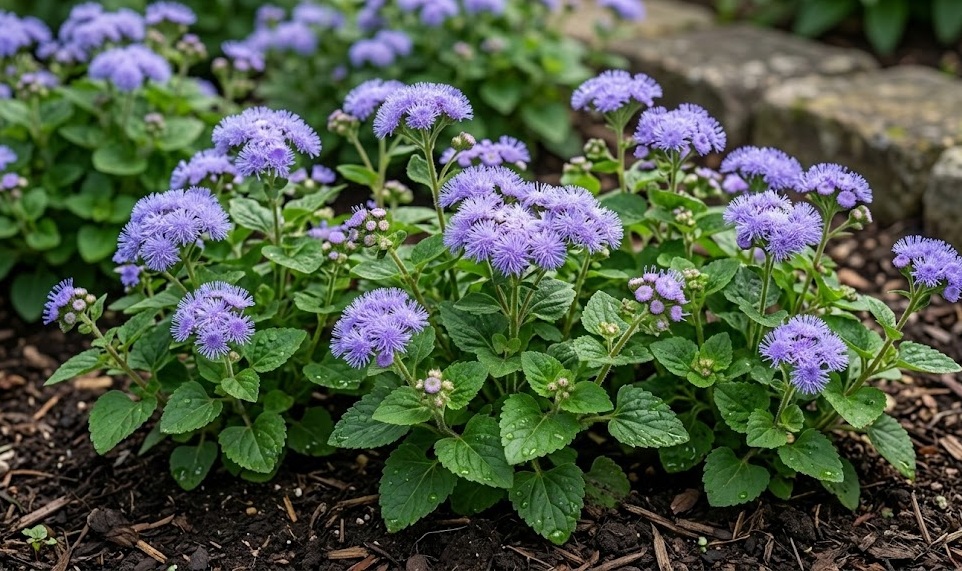

Starting your journey with flossflowers begins with a solid understanding of how to properly introduce them to your garden environment. Whether you choose to start from seeds or use established seedlings, the timing and technique you employ will dictate the success of the season. These plants are known for their reliable germination and steady growth, making them a favorite for both beginners and seasoned experts. By following professional standards for planting, you ensure that each flower has the best possible start in its new home.
Sowing seeds indoors is often the most effective way to get a head start on the growing season, especially in regions with a short summer. You should start your seeds about six to eight weeks before the last expected frost date in your local area. Use a high-quality seed-starting mix that is lightweight and sterile to prevent any early-onset diseases. Gently press the seeds into the surface of the soil, as they require a bit of light to germinate successfully.
Maintaining the right temperature and moisture levels is critical during the delicate germination phase of the plant’s life. You should keep the seed trays in a warm spot, ideally between twenty and twenty-two degrees Celsius, to encourage rapid sprouting. Covering the trays with a clear plastic dome can help retain humidity, but you must remove it as soon as the first green shoots appear. Keep the soil consistently moist but never waterlogged, using a fine misting bottle to avoid disturbing the tiny seeds.
Once the seedlings have developed their second set of true leaves, they will need more light and space to continue their development. You can move them to a brighter location or use supplemental grow lights to prevent them from becoming leggy and weak. If the trays become too crowded, it is time to prick out the strongest seedlings and move them into individual pots. This transition allows the roots to expand and prepares the young plants for the eventual move to the outdoor garden.
Hardening off and outdoor transition
Before you move your tender young plants directly into the garden, they must undergo a process known as hardening off. This involves gradually exposing them to outdoor conditions over a period of seven to ten days to prevent transplant shock. Start by placing them in a sheltered, shady spot for just an hour or two each day, slowly increasing their exposure to wind and sun. This gradual transition allows the plant’s cellular structure to toughen up and adapt to the harsher outdoor environment.
More articles on this topic
The timing of the final transplant is crucial and should only occur once all danger of frost has passed and the soil has warmed up. You can check the soil temperature with a simple garden thermometer; it should be at least fifteen degrees Celsius for the best results. Planting too early into cold, wet soil can lead to root rot and may permanently stunt the growth of your flowers. Patience is a virtue in the garden, and waiting for the right conditions will yield much better results in the long run.
When you are ready to plant, choose a day that is overcast or wait until the late afternoon to minimize stress on the seedlings. Dig a hole that is slightly larger than the root ball of the plant and place it at the same depth it was growing in its pot. Gently firm the soil around the base to remove any air pockets that could dry out the roots. Immediately after planting, give each seedling a thorough watering to help settle the soil and provide much-needed hydration.
If you are direct-sowing seeds into the garden, the process is slightly different but requires the same attention to environmental conditions. Wait until the soil is warm and workable, then clear the area of any weeds or large debris that might interfere with growth. Scatter the seeds over the prepared surface and lightly rake them in, ensuring they are still relatively close to the surface for light exposure. Keep the area moist until the seedlings are well-established and large enough to handle a more regular watering schedule.
Advanced propagation through cuttings
Propagating flossflowers from cuttings is a professional technique that allows you to create exact clones of your favorite plants. This is particularly useful if you have a specific variety with a color or growth habit that you want to preserve for the following year. You should take your cuttings in late summer or early autumn when the parent plant is still healthy and full of vigor. Look for non-flowering stems, as these will direct their energy into root formation rather than bloom production.
More articles on this topic
To take a successful cutting, use a clean, sharp knife to remove a four-inch section of the stem just below a leaf node. Remove the lower leaves, leaving only a few at the top to provide energy through photosynthesis while the roots develop. You can dip the cut end into a rooting hormone powder to speed up the process, although it is not strictly necessary for this species. Place the cutting into a pot filled with a moist, sandy potting mix that provides excellent drainage.
Creating a humid environment for your cuttings is essential until they have established their own root systems. You can place the entire pot inside a clear plastic bag or under a propagator lid to keep the air around the leaves moist. Keep the cuttings in a bright location but out of direct sunlight, which can cause them to overheat and wilt. Within two to three weeks, you can gently tug on the stems; if you feel resistance, it means the roots have begun to grow.
Once the cuttings have a solid root system, they can be treated like any other young plant and moved into larger containers. This method is a great way to “save” your plants before the first frost of winter arrives. By keeping these rooted cuttings indoors over the winter, you will have large, healthy plants ready to go back outside as soon as spring returns. It is a cost-effective and rewarding way to expand your garden collection without having to purchase new seeds or starts every year.
Managing the early stages of growth
The first few weeks after planting are the most critical for the long-term success of your flossflower display. You should keep a close eye on the moisture levels of the soil, as the young root systems are not yet deep enough to find water during dry spells. Avoid using heavy fertilizers during this time, as the young roots can be sensitive to high salt concentrations. Instead, focus on providing a stable environment where the plants can establish themselves without being stressed by external factors.
Weeding is an essential task that must be performed diligently during the early stages of the plant’s life. Small weeds can quickly overwhelm young seedlings, stealing the light and nutrients they need to grow strong. You should pull weeds by hand to avoid damaging the delicate roots of your flowers with garden tools. A clean, weed-free environment allows the flossflowers to spread out and form a thick canopy that will eventually shade out any new weed seeds.
If you notice that your young plants are struggling to gain height, you might consider using a very diluted liquid fertilizer once they are established. Look for a balanced formula that provides equal parts nitrogen, phosphorus, and potassium to support all aspects of growth. Only apply the fertilizer to damp soil to prevent root burn, and always follow the manufacturer’s instructions for the correct dosage. This little boost can help the plants overcome any initial transplant shock and get them moving toward their first bloom cycle.
Protecting the young plants from common garden pests like slugs and snails is also vital during the initial growth phase. These creatures love the tender leaves of new seedlings and can devastate a small planting in a single night. You can use organic barriers like crushed eggshells or copper tape to keep them away from your prized flowers. Regular evening inspections can also help you catch these intruders before they cause significant damage to your hard work.