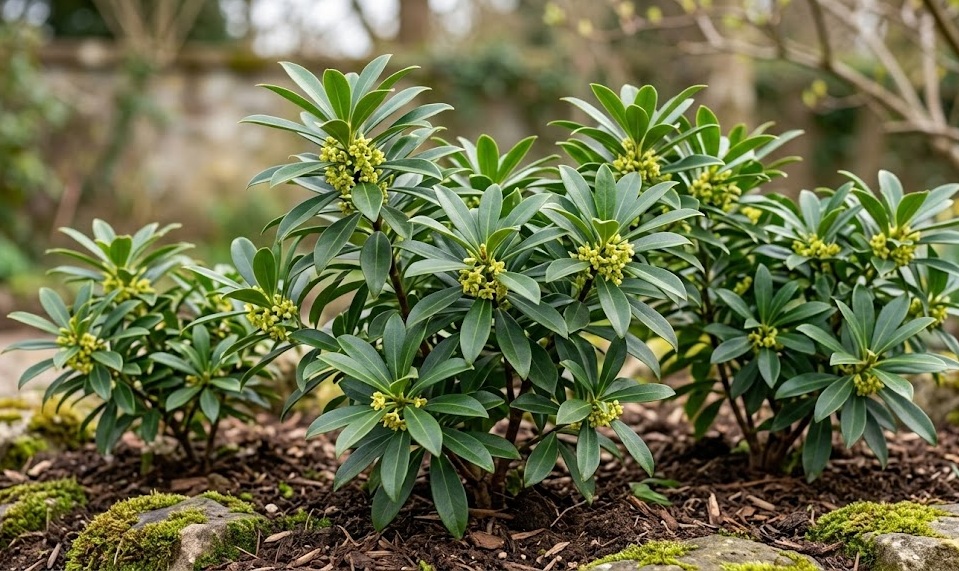

Designing a successful shade garden requires a deep understanding of the subtle nuances of light and how it affects different plant species. Spurge-laurel is a celebrated choice for these difficult areas because of its remarkable ability to thrive where many other shrubs would struggle. Its evergreen leaves are specifically adapted to capture the limited energy available beneath a dense forest canopy or in the shadow of large structures. By matching the plant’s light requirements with the specific conditions of your landscape, you can ensure a lush and healthy specimen that remains vibrant throughout the year.
Light is the primary driver of photosynthesis, and while this shrub is shade-tolerant, it still needs a certain amount of energy to maintain its slow growth and produce flowers. In its natural habitat, it often grows in the dappled light found at the edges of woodlands or in the deep shade of beech and oak forests. In a garden setting, you must try to replicate these conditions to prevent the plant from becoming stressed by either too much or too little light. Understanding these requirements is a fundamental part of professional site selection and garden planning.
Excessive light, especially direct afternoon sun, can be detrimental to the health and appearance of the foliage. The glossy green leaves are sensitive to UV radiation and can easily become scorched or bleached if they are exposed to intense sunlight for long periods. This not only ruins the aesthetic of the shrub but also weakens it by damaging the chlorophyll-producing tissues. Finding a location that offers protection from the harshest rays of the day is a critical step in providing long-term care for this species.
Conversely, while the shrub is famous for its shade tolerance, extreme deep shade can sometimes lead to a loss of vigor or a lack of flowering. If the light levels are too low, the plant may become leggy as it stretches toward whatever light is available, and its growth will slow even further. Most professional gardeners find that a balance of bright, indirect light or morning sun followed by afternoon shade provides the best results. Monitoring how the light changes throughout the day and the seasons will help you find the “sweet spot” for your spurge-laurel.
Thriving in deep shade and understories
One of the most valuable characteristics of this shrub is its ability to remain healthy and attractive even in areas that receive almost no direct sunlight. In many urban gardens or established woodland plots, finding plants that can survive in deep shade is a major challenge for the designer. Spurge-laurel fills this niche perfectly, acting as a reliable green anchor in the darkest corners of the landscape. Its metabolism is naturally slow, allowing it to function efficiently on the minimal energy it collects from diffused light.
More articles on this topic
In deep shade conditions, the shrub tends to maintain a very compact and dense form, which is highly desirable for many landscape applications. The leaves often take on a deeper, darker green hue as they maximize their chlorophyll content to capture every available photon. This intense coloration provides a beautiful contrast to the lighter greens or variegated leaves of other shade-loving perennials. Using this shrub in a deep shade understory creates a sense of permanence and architectural structure that lasts all year long.
While the plant can survive in these conditions, you should still ensure that it is not being completely smothered by other vegetation. Overhanging branches from larger trees or invasive vines can block even the diffused light that the shrub needs to maintain its health. Periodic thinning of the upper canopy can let in just enough light to keep the spurge-laurel thriving without exposing it to the dangers of direct sun. Managing the “light budget” of a shade garden is a delicate balancing act for the professional horticulturist.
Deep shade often coincides with higher humidity and slower evaporation rates, which can influence the plant’s health in other ways. In these cool, dark spots, air circulation is vital to prevent the development of fungal issues on the foliage. When planting in deep shade, give the shrub plenty of space and avoid placing it in dead-air corners where moisture can sit on the leaves for too long. A well-sited plant in the deep shade will be one of the most low-maintenance and rewarding features of your entire garden design.
The benefits of dappled and indirect light
Dappled light is perhaps the most natural and beneficial lighting condition for many woodland species, including the spurge-laurel. This type of light occurs when sunlight filters through the canopy of deciduous trees, creating a moving pattern of light and shadow on the forest floor. This provides the plant with bursts of energy for photosynthesis without the constant thermal stress of full sun exposure. It mimics the dynamic environment where the species has evolved to thrive over thousands of years.
More articles on this topic
Indirect light, such as that found on the north side of a building or a high wall, offers a consistent and safe environment for the shrub. In these locations, the light is bright enough to support healthy growth and flowering, but the plant is protected from the direct rays of the sun. This is often the ideal setup for professional landscaping in residential or commercial areas where buildings create permanent shadows. The reliability of indirect light allows the shrub to maintain a very even and symmetrical growth habit.
Light quality also changes with the seasons, which can affect the shrub’s performance throughout the year. In the winter, when deciduous trees have lost their leaves, the spurge-laurel may receive much more light than it does during the summer. This extra light can be beneficial for energy storage, provided it is not accompanied by the drying effects of a harsh winter sun. Understanding these seasonal shifts in light intensity helps you predict when the plant might need extra protection or when it will be most active.
Reflected light from nearby surfaces like white walls or light-colored paving can also increase the total amount of energy reaching the plant. While this can sometimes be useful in very dark corners, you must be careful that it does not also increase the temperature around the leaves too much. In a professional design, you can use these reflective surfaces strategically to brighten up a shaded area without the risks of direct sun. Observing how light bounces around your garden space is a key part of fine-tuning the environment for shade-loving plants.
Managing the risks of sun exposure
Direct sun is the primary environmental enemy of the spurge-laurel, and its effects are often visible and damaging. The most common symptom of overexposure is leaf scorch, where the edges and tips of the foliage turn brown and dry out. In severe cases, the center of the leaves can become bleached or yellowed, indicating that the chlorophyll has been permanently damaged. If you see these signs, it is a clear indication that the plant needs more shade or that its current location is too intense.
Sun exposure also increases the water demands of the plant significantly, as it tries to cool itself through transpiration. A shrub in a sunny spot will dry out much faster than one in the shade, leading to a constant cycle of stress and recovery. This can eventually lead to a decline in the plant’s overall health and make it more susceptible to pests and diseases. If you cannot move a plant that is receiving too much sun, providing supplemental water and a thick layer of mulch is essential for its survival.
The afternoon sun is particularly dangerous because it is accompanied by the highest temperatures of the day. While a shrub might tolerate a few hours of soft morning light, the intense heat of a mid-summer afternoon can cause rapid dehydration and tissue damage. If your garden is south-facing or very open, you may need to use taller companion plants or architectural features to cast a shadow over the shrub during these peak hours. Prevention is always better than trying to nurse a scorched plant back to health.
In some cases, you can gradually acclimate a shrub to slightly higher light levels, but this process must be done very slowly and with great care. A plant that has been grown in a deep shade nursery will be particularly sensitive to light when it is first introduced to your garden. Protecting a new planting with temporary shade cloth or branches can help it transition to its new light environment without suffering from shock. A professional approach to light management ensures that your evergreens remain glossy and green regardless of the weather.