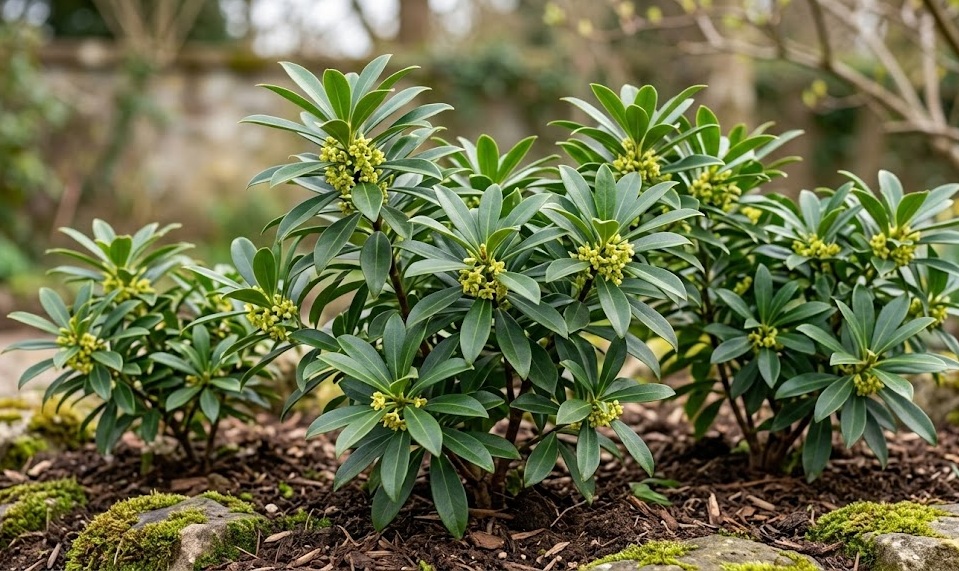

Maintaining a healthy garden often requires understanding the specific needs of evergreen shrubs that thrive in shaded areas. Spurge-laurel is a unique plant that offers glossy green foliage and subtle flowers even in the most difficult corners of a landscape. Taking care of this species involves balancing its preference for stable conditions with its slow growth rate. To ensure success, gardeners must pay close attention to the soil environment and the physical handling of the plant due to its chemical properties.
Managing the growth of this shrub starts with recognizing that it is a low-maintenance plant once it has become fully established. It does not require frequent intervention, but it does demand consistency in its surrounding environment to prevent unnecessary stress. You should observe the leaves regularly to check for signs of dehydration or nutrient deficiencies that might arise during the growing season. Because it grows slowly, any mistakes made during care can take a long time for the plant to recover from.
Professional gardeners often emphasize the importance of site stability because this shrub does not react well to being moved frequently. Once you have chosen a suitable spot, try to minimize disturbances to the root zone to protect the delicate fungal associations in the soil. These underground networks are vital for the plant to absorb minerals efficiently from the earth. Keeping the area around the base free of aggressive weeds will also help the shrub retain its vigor over the years.
Safety is a critical aspect of caring for this particular species because all parts of the plant contain potent toxins. It is essential to wear gloves whenever you are touching the foliage or stems to avoid skin irritation from the sap. If there are children or pets in the garden, you might consider placing the shrub in a less accessible area to prevent accidental ingestion. Proper education about the plant’s nature is just as important as the physical tasks of watering or pruning.
Creating the ideal soil environment
The foundation of a healthy shrub lies in the quality and structure of the soil where it resides. Spurge-laurel prefers heavy, alkaline soils that provide a stable anchor for its root system throughout the year. If your garden soil is naturally acidic, you may need to add lime periodically to adjust the pH level to a more suitable range. Ensuring that the texture is loamy and rich in organic matter will provide the necessary nutrients for sustained growth.
More articles on this topic
Drainage is another vital component that determines whether the plant will flourish or struggle with root issues. While the shrub enjoys moisture, it cannot tolerate standing water around its base for extended periods. You can improve drainage in heavy clay soils by incorporating organic compost or well-rotted leaf mold before planting. This modification helps create air pockets in the soil, allowing the roots to breathe and function properly.
Organic matter serves as a slow-release source of nutrients while also helping to regulate the moisture levels in the ground. Applying a thick layer of mulch every spring can mimic the forest floor environment where this species naturally thrives. This layer protects the soil from extreme temperature fluctuations and prevents the surface from drying out too quickly during the summer. Over time, the decomposition of the mulch will naturally enhance the fertility of the local soil profile.
Microbial life in the soil plays a significant role in the overall health and resilience of the spurge-laurel. A living soil filled with beneficial fungi and bacteria helps the plant resist pathogens and absorb difficult-to-reach minerals. You should avoid using heavy chemical fungicides near the root zone, as these can disrupt the natural balance of the soil ecosystem. Instead, focus on building soil health through natural amendments and minimal tilling practices.
Monitoring seasonal changes
As the seasons transition, the requirements for maintaining this evergreen shrub shift to meet its metabolic demands. During the spring, the plant begins its most active phase of growth and flowering, requiring consistent moisture and light. You should check the soil moisture more frequently during this time to ensure the new shoots have enough hydration to develop. This is also the best period to assess any winter damage that may have occurred on the outer branches.
More articles on this topic
The summer heat can be challenging for woodland plants that are accustomed to cooler, shaded environments. If the weather becomes exceptionally dry, you must provide supplemental water to prevent the glossy leaves from wilting or Scorching. Providing extra shade using temporary structures or taller companion plants can help mitigate the effects of intense afternoon sun. Maintaining a cool root zone is the primary goal during the hottest months of the year.
Autumn is a period of preparation where the shrub begins to harden its tissues for the upcoming cold weather. You should gradually reduce the frequency of watering as the temperatures drop and the plant’s growth slows down. This transition allows the wood to mature, which increases the shrub’s natural resistance to frost and freezing temperatures. It is also an excellent time to clear away any fallen debris from neighboring trees that might harbor pests.
Winter care focuses primarily on protecting the plant from physical damage and extreme desiccation. Even though the shrub is evergreen, its metabolism is very low during the cold months, so it requires almost no intervention. If there is heavy snowfall, you should gently brush the weight off the branches to prevent them from snapping under the pressure. Monitoring the plant after a hard frost will help you identify if any protective measures like burlap wraps are needed for future winters.
Handling the plant safely
The chemical composition of this shrub makes it a subject of caution for both experienced and novice gardeners. Every part of the plant contains coumarins and diterpene esters, which can cause severe reactions if they come into contact with skin or are ingested. When performing any maintenance tasks, it is vital to use long sleeves and protective eyewear to guard against accidental splashes of sap. Always wash your tools thoroughly after they have been used on this plant to remove any toxic residue.
Proper disposal of clippings is an often-overlooked aspect of safe gardening with toxic species. You should never burn the branches of this shrub, as the smoke can carry irritating compounds that affect the respiratory system. Instead, place the prunings in a designated waste bin or a separate composting area where they can decompose safely. Make sure that these materials are kept away from livestock or grazing animals that might be tempted to eat them.
Educating everyone who spends time in the garden is the best way to prevent accidental poisoning or skin irritation. Clear labeling or physical barriers can help distinguish the shrub from harmless plants that might look similar to the untrained eye. If someone accidentally ingests any part of the plant, you should seek medical attention immediately rather than waiting for symptoms to appear. Understanding the risks allows you to appreciate the beauty of the plant without compromising safety.
Long-term handling of the plant should also take into account the cumulative effects of its toxins on the surrounding environment. While the plant itself is hardy, the chemicals it produces can influence the growth of nearby vegetation through a process called allelopathy. By keeping a reasonable distance between this shrub and sensitive garden crops, you can maintain a balanced ecosystem. This strategic placement ensures that the toxic properties remain contained within a specific zone of the garden.
Nutritional management
Providing the right balance of nutrients is essential for maintaining the deep green color and structural integrity of the foliage. While this shrub is not a heavy feeder, it does benefit from occasional applications of balanced fertilizers during the early spring. Avoid using high-nitrogen products, as these can promote weak, spindly growth that is more susceptible to pests and diseases. A slow-release granular fertilizer is often the most effective way to provide steady nutrition throughout the growing season.
The availability of nutrients is closely tied to the pH level of the soil and the moisture content. In highly alkaline soils, certain micronutrients like iron or manganese may become less available to the plant, leading to chlorosis. If you notice the leaves turning yellow while the veins remain green, you may need to apply chelated minerals to correct the balance. Regular soil testing can provide valuable insights into what the plant actually needs before you apply any amendments.
Natural fertilizers like composted manure or seaweed extracts can offer a wide range of trace elements that synthetic products often lack. These organic options also improve the soil structure and encourage the growth of beneficial microorganisms that support the root system. Applying these materials as a top-dressing in late winter allows the nutrients to wash down into the root zone just as the plant wakes up. This timing ensures the maximum benefit for the upcoming flush of spring growth.
Over-fertilizing can be just as damaging as a lack of nutrients, as it can lead to a buildup of salts in the soil. Excessive minerals can burn the sensitive root tips and interfere with the plant’s ability to take up water properly. If you see white crusts on the soil surface or if the leaf tips begin to turn brown, it may be a sign of salt accumulation. In such cases, leaching the soil with plenty of fresh water can help restore a healthy balance for the plant.
Pruning for longevity
Pruning is a tool that should be used sparingly with this species because of its slow recovery time and natural growth habit. Most of the time, the shrub will maintain a pleasing, rounded shape without any human intervention at all. You should focus your efforts on removing dead, damaged, or diseased wood that could provide an entry point for pathogens. Always use sharp, sterilized shears to make clean cuts that will heal quickly and minimize the risk of infection.
Rejuvenation pruning is rarely necessary but can be performed if the shrub has become excessively leggy or sparse over many years. This process should be done gradually over several seasons rather than all at once to avoid shocking the plant. By cutting back a few of the oldest stems each year, you can encourage new growth to emerge from the base. This method keeps the shrub looking full and healthy without compromising its overall stability or energy reserves.
The timing of pruning is crucial to ensure that you do not remove the following year’s flower buds accidentally. Since the flowers develop on the previous year’s wood, the best time to trim the plant is immediately after the blooming period has finished in late spring. This gives the shrub the entire summer and autumn to produce new growth that will carry the next set of blossoms. Pruning too late in the year can leave the plant vulnerable to winter damage on the fresh, unhardened cuts.
Aesthetic pruning should always respect the natural form of the plant rather than trying to force it into a rigid hedge shape. Thinning out the interior of the shrub can improve air circulation and allow light to reach the inner leaves, which prevents them from dropping prematurely. This practice also makes it easier to inspect the plant for any hidden pests or signs of disease that might be lurking in the dense foliage. A light touch is always better than aggressive cutting when dealing with this elegant evergreen.
Integrating the shrub into the landscape
Choosing the right companions for your spurge-laurel can enhance its beauty while creating a more resilient garden community. Shade-loving perennials like ferns, hostas, and hellebores make excellent neighbors because they share similar environmental requirements. These plants can provide a soft texture that contrasts beautifully with the stiff, glossy leaves of the shrub. Grouping plants with similar needs also makes the task of irrigation and soil management much more efficient for the gardener.
The visual impact of the shrub is most significant when it is used as a foundation plant or as part of a woodland border. Its consistent green color provides a reliable backdrop for more colorful, seasonal flowers that bloom at different times of the year. Because it is evergreen, it maintains its architectural presence even during the bleakest months of winter when other plants have disappeared. Positioning it near pathways where its subtle fragrance can be enjoyed is a common design strategy in professional landscaping.
Environmental benefits are also a key consideration when incorporating this plant into your local outdoor space. It provides valuable cover for small birds and beneficial insects that seek shelter within its dense, evergreen canopy. The early-season flowers are a food source for pollinators that emerge when few other nectar sources are available in the landscape. By choosing this species, you are contributing to the biodiversity of your garden and supporting the local wildlife population.
Long-term planning involves accounting for the eventual size and spread of the shrub as it matures over several decades. While it grows slowly, it can eventually reach a significant height and width that might crowd out smaller, less competitive plants. Giving it enough space from the beginning will reduce the need for aggressive pruning and allow the shrub to reach its full potential. A well-placed spurge-laurel can become a permanent and cherished feature of a professional garden design for many years to come.