
While garlic does not require the extensive pruning associated with fruit trees or ornamental shrubs, targeted cutting and trimming are essential for optimizing bulb development and ensuring long-term storage quality. These interventions are strategic, aimed at redirecting the plant’s energy and preparing the harvest for preservation. A professional approach to these tasks involves precise timing and the use of clean, sharp tools. This guide outlines the specific instances where pruning and cutting back are necessary during the life cycle of the garlic plant.
The strategic removal of garlic scapes
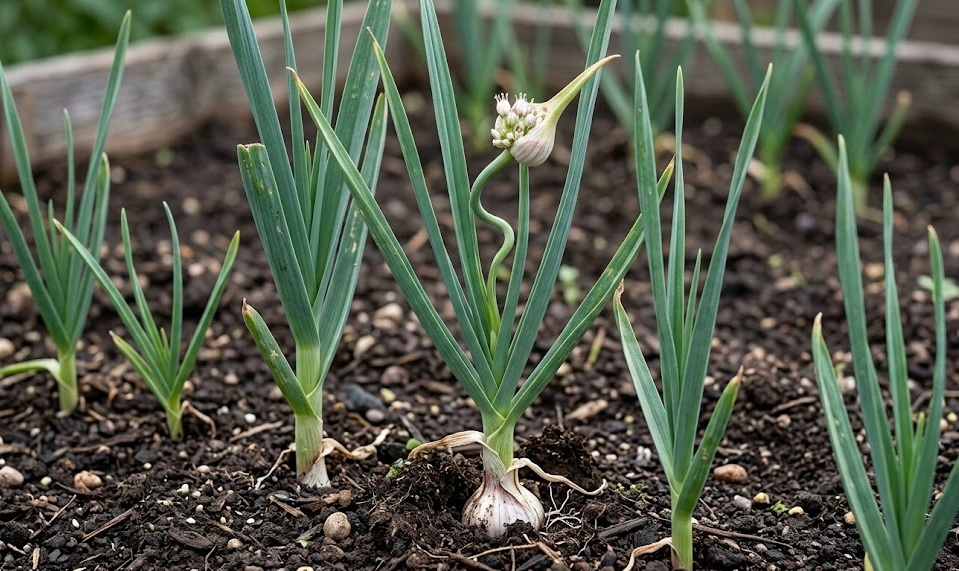
The most significant “pruning” task in garlic cultivation is the removal of the flower stalks, commonly known as scapes, in hardneck varieties. These scapes emerge from the center of the plant in early summer and, if left alone, will eventually produce small bulbs called bulbils. Because the plant must invest considerable energy into creating these reproductive structures, removing them allows that energy to be redirected back into the underground bulb. Research has shown that scape removal can increase final bulb size by up to twenty-five percent.
Timing is the most critical factor when it comes to cutting back the scapes for the best results. The ideal moment is when the scape has formed a full circle or “curl” but before it begins to straighten out and become woody. Cutting too early may cause the plant to try and produce another stalk, while cutting too late means the energy has already been diverted. Using a sharp pair of garden snips or a knife ensures a clean wound that heals quickly and minimizes the risk of infection.
The cut should be made just above the top leaf of the garlic plant, taking care not to damage the foliage in the process. These removed scapes are highly valued in the culinary world and should not be discarded; they can be used in stir-fries, pestos, or grilled as a seasonal delicacy. Harvesting the scapes provides an intermediate crop that rewards the gardener’s diligence before the main harvest is ready. This practice is a perfect example of how strategic pruning benefits both the plant’s development and the grower’s pantry.
After the scapes are removed, the gardener should monitor the plants for any signs of stress or disease at the site of the cut. In most cases, the wound will dry and seal itself within a day or two under normal weather conditions. Avoiding overhead irrigation for forty-eight hours after pruning can help prevent water from entering the open stem and causing rot. This simple act of cutting back is one of the most effective ways to ensure a harvest of large, professional-quality garlic bulbs.
More articles on this topic
Managing foliage during the maturation phase
As garlic reaches its final stages of growth, some gardeners may be tempted to cut back the green leaves in an attempt to speed up the drying process. However, professional advice is generally against any significant pruning of healthy green foliage before the harvest. The leaves are still actively photosynthesizing and transferring essential sugars and compounds into the bulb cloves. Removing green leaves prematurely will almost always result in smaller bulbs and a reduced storage life.
Naturally dying leaves, however, can be managed to maintain garden hygiene and air circulation around the base of the plants. As the bottom leaves turn brown and brittle, they can be gently removed if they are obstructing airflow or showing signs of fungal spotting. This “cleaning up” of the lower canopy helps reduce the humidity levels that can encourage soil-borne pathogens. It is a subtle form of maintenance that supports the overall health of the crop without interfering with its development.
If a plant shows severe disease symptoms on specific leaves, such as heavy rust or mildew, those individual leaves should be pruned away immediately. Removing infected tissue can slow the spread of the pathogen to neighboring plants and the rest of the foliage. These diseased cuttings should be disposed of in the trash rather than the compost pile to prevent the survival of fungal spores. This targeted pruning is a defensive measure to protect the integrity of the entire garlic plot.
In very rare cases, such as extreme storm damage where leaves are snapped or shredded, trimming the jagged edges can help the plant recover. A clean cut is always easier for the plant to seal than a ragged tear, which provides more surface area for pests and diseases. However, these situations are the exception rather than the rule in standard garlic care. For the most part, the best policy regarding garlic foliage is to let the plant manage its own leaf senescence naturally.
More articles on this topic
Trimming for harvest and long-term storage
The final act of cutting back occurs after the garlic has been harvested and sufficiently cured. Once the bulbs have dried for several weeks in a well-ventilated area, the roots and the stems need to be trimmed for storage. The roots should be cut close to the bulb’s base, typically leaving about half a centimeter of length to avoid damaging the root plate itself. This prevents the roots from absorbing moisture from the air and provides a neat, professional appearance.
The stems of hardneck garlic are usually cut back to about two to five centimeters above the bulb. Leaving a small portion of the stem helps protect the cloves and ensures that the neck remains tightly sealed against pathogens. For softneck varieties, the stems are often left long if they are intended for braiding, a traditional and effective method of storage. If not braiding, the softneck stems are trimmed in the same manner as the hardneck varieties to facilitate easy handling.
Using a dedicated, sharp tool for this final trimming is essential to prevent crushing the dried tissues of the bulb. Any bulbs that show signs of damage or soft spots during the trimming process should be set aside for immediate use rather than storage. This final quality control check ensures that only the best-prepared garlic makes it into the long-term pantry. Proper trimming is the finishing touch that marks the end of the season and the beginning of the storage phase.
The debris from this final trimming—the dried roots and stems—can be composted if they are free from significant disease. However, if the crop had issues with white rot or other persistent soil-borne diseases, all trimmings should be removed from the garden entirely. Professional gardeners treat the harvest and the subsequent cleanup as two parts of the same vital process. Clean, well-trimmed garlic bulbs are the ultimate proof of a well-executed pruning and care strategy.