
Caring for green peas requires a delicate balance of patience and technical knowledge to ensure a bountiful harvest. You should begin by understanding that these plants are cool-season crops that thrive when the soil temperature is still relatively low. Achieving success in your garden involves monitoring the weather patterns closely as spring approaches in your region. Many experienced growers find that the initial weeks of growth determine the eventual yield and quality of the pods.
The foundation of proper care lies in the preparation of the planting site long before the seeds even touch the earth. You need to ensure that the ground is loose and well-drained to prevent the sensitive root systems from rotting in spring rains. Incorporating organic matter such as aged compost can significantly improve the structure of the soil and provide slow-release nutrients. A slightly acidic to neutral soil pH is generally considered the sweet spot for these legumes to maximize their nitrogen-fixing capabilities.
Temperature management is a critical factor that you must monitor throughout the growing season to prevent heat stress. Green peas generally prefer daytime temperatures below twenty-one degrees Celsius to maintain healthy flower production and pod development. If a sudden heatwave occurs, you might consider using shade cloths to protect the vines from the scorching afternoon sun. Maintaining a cool root zone through the application of light-colored mulch can also help the plants survive unexpected temperature spikes.
Consistent observation is the hallmark of a professional gardener when dealing with these fast-growing annual vines. You should walk through your rows daily to check for any signs of nutritional deficiencies or early pest infestations. Identifying a problem early often means the difference between a minor correction and the total loss of a crop. Take note of how the tendrils are reaching for support, as this indicates the overall vigor and health of the plant.
Providing essential support structures
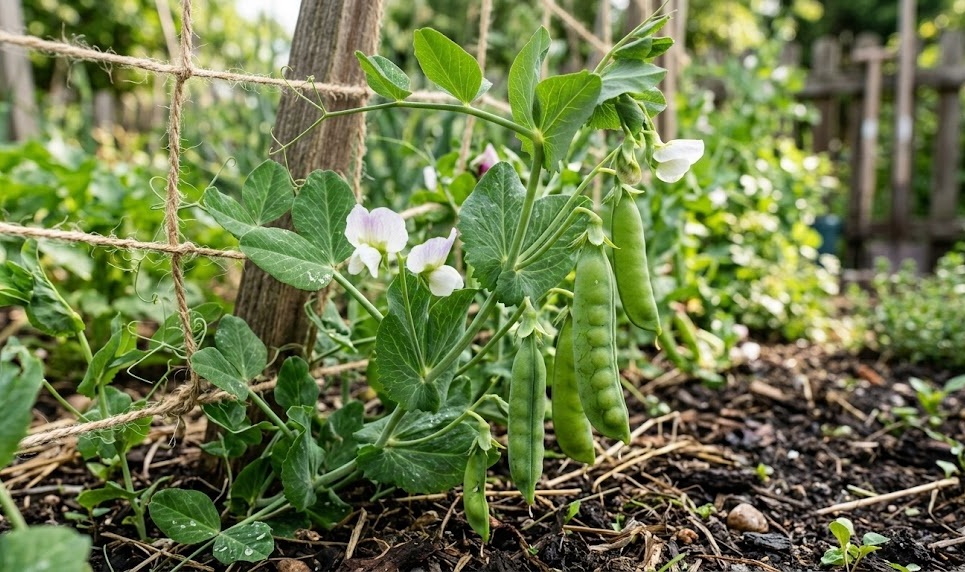
Tall varieties of green peas are natural climbers that require a sturdy trellis or fence to reach their full potential. You will find that providing support early prevents the vines from tangling on the ground where they are susceptible to soil-borne diseases. A simple mesh wire or a series of bamboo poles with twine can create an effective vertical environment for growth. Once the vines find their support, they will direct more energy into producing flowers rather than searching for stability.
More articles on this topic
The height of your support structure should match the specific variety you have chosen to grow in your garden. Some heirloom climbing peas can reach heights of two meters, requiring very tall and stable structures to withstand wind. You should install these supports at the time of planting to avoid damaging the fragile roots later in the season. Watching the delicate tendrils wrap themselves around the wire is one of the most rewarding sights for any vegetable gardener.
Air circulation is an often overlooked benefit of growing your peas vertically on a well-designed support system. By lifting the foliage off the ground, you allow the wind to dry the leaves quickly after a rain or morning dew. This reduction in humidity around the leaves is your best defense against common fungal issues like powdery mildew. Properly spaced supports also make the eventual harvesting process much easier and more efficient for you.
If you are growing dwarf varieties, you might think supports are unnecessary, but even short plants benefit from low brush or twigs. These smaller supports keep the heavy pods from touching the wet soil and becoming targets for slugs or rot. You can use simple pea brush, which consists of small branched limbs stuck into the ground near the base of the plants. This traditional method is both cost-effective and aesthetically pleasing in a rustic garden setting.
Weed management and soil preservation
Controlling weeds is a necessary task that you must perform with great care to avoid disturbing the shallow roots of the peas. Many common garden weeds compete aggressively for the same water and nutrients that your crop needs to flourish. You should focus on hand-pulling weeds when they are small and the soil is moist for the easiest removal. Avoiding heavy machinery or deep hoeing near the plants is vital to maintaining the integrity of the root nodules.
More articles on this topic
Applying a thick layer of organic mulch is one of the most effective ways to suppress weed seeds from germinating. You can use clean straw, shredded leaves, or even grass clippings that have not been treated with any herbicides. This protective layer also acts as an insulator, keeping the soil temperature consistent during the unpredictable spring weather. As the mulch breaks down, it continues to feed the microorganisms that keep your garden soil healthy and productive.
During the middle of the growing season, you may notice that some weeds manage to break through the mulch layer despite your best efforts. You should address these outliers immediately before they have a chance to go to seed and create future problems. Using a sharp garden knife to cut weeds at the soil line is a professional technique that minimizes soil disturbance. Consistency in this area ensures that the pea vines do not have to fight for space or light.
Soil health is a long-term investment that you protect by managing weeds and minimizing compaction in the garden beds. You should avoid walking directly on the planting rows, especially when the ground is saturated with water. Creating permanent pathways between your pea rows allows you to perform maintenance without squeezing the air out of the soil. Healthy, airy soil provides the perfect environment for the beneficial bacteria that help peas fix nitrogen from the atmosphere.
Monitoring growth stages for success
The vegetative stage of the pea plant is a period of rapid expansion that requires your full attention to detail. You will see the first true leaves appear shortly after germination, signaling the beginning of the plant’s structural development. During this time, the plant is focused on building a strong root system and a lush canopy of green foliage. Ensuring that the plants have adequate space to expand without crowding is essential for their long-term vitality.
As the plant transitions into the flowering stage, you will notice small white or purple blossoms appearing among the leaves. This is a critical physiological shift where the plant’s energy moves from leaf production to reproduction. You must ensure that the plants are not stressed by drought during this period, as it can cause the flowers to drop prematurely. A steady supply of moisture during flowering is the secret to a high-yielding crop of sweet, succulent peas.
Pod development follows quickly after pollination, and you can almost watch the small green shells grow larger every day. You should monitor the pods carefully to determine the exact moment when they are perfectly ripe for your specific needs. For garden peas, wait until the pods are plump and the individual seeds are easily felt through the skin. If you wait too long, the sugars will turn to starch, and the texture will become unpleasantly mealy.
The final stage of the life cycle involves the natural yellowing of the lower leaves as the plant nears completion. You should not be alarmed by this process, as it is a normal part of the plant’s senescence after it has fulfilled its purpose. Once the main harvest is over, the plant has essentially finished its work for the season. Understanding these distinct phases allows you to adjust your care routine to meet the changing needs of the crop.
Integrated pest management strategies
Dealing with insects requires a proactive approach that prioritizes natural solutions and biodiversity in your garden. You should regularly inspect the undersides of the leaves for aphids, which are one of the most common pests for peas. A strong stream of water from a garden hose can often dislodge these small insects without the need for harsh chemicals. Encouraging beneficial insects like ladybugs and lacewings provides a natural balance that keeps pest populations under control.
Birds can be a significant challenge, especially when the young seedlings are first emerging from the soil. You might find that some birds enjoy pulling up the tender sprouts or pecking at the maturing pods later in the season. Using lightweight bird netting or reflective tape can deter these feathered visitors without causing them any physical harm. Protecting your investment in this way ensures that you are the one enjoying the fruits of your labor.
Slugs and snails are another common concern, particularly in the damp conditions that peas often prefer. You can manage these pests by removing garden debris where they like to hide during the heat of the day. Setting up simple beer traps or using copper barriers around the base of the plants are effective organic methods of control. Keeping the area immediately around the vines clean and dry will significantly reduce the local slug population.
Professional growers often use trap crops or companion planting to distract pests away from their primary vegetable rows. Planting aromatic herbs or bright flowers like marigolds can help confuse the sensory systems of many harmful insects. This holistic approach to pest management creates a more resilient ecosystem within your garden beds. By avoiding broad-spectrum pesticides, you protect the pollinators that are essential for the health of the entire environment.
Managing the harvest period
Harvesting green peas is a task that should be performed frequently to encourage the plant to continue producing new pods. You will find that the more often you pick the ripe peas, the longer the plant will remain in its productive phase. It is best to harvest in the cool of the morning when the sugar content of the peas is at its highest point. Use two hands to pick the pods—one to hold the vine and the other to snap the stem—to avoid damaging the plant.
The timing of your harvest depends entirely on the variety of pea you are growing and your personal culinary preferences. Snow peas are harvested when the pods are still flat and the seeds are barely visible inside. Snap peas are picked when the pods are thick and crunchy but before the seeds inside become too large. Traditional shelling peas require waiting until the pods are fully rounded and have a bright green, waxy appearance.
Once you have gathered your harvest, you should bring the peas indoors and cool them down as quickly as possible. The natural sugars in peas begin to convert into starch the moment they are removed from the vine. Storing them in the refrigerator in a perforated plastic bag can help maintain their sweetness for several days. However, for the best flavor, you should aim to eat or process them within a few hours of picking.
If you find yourself with an abundance of peas, you should consider freezing or drying them for long-term storage. Blanching the peas briefly in boiling water before freezing helps preserve their bright color and nutritional value. This allows you to enjoy the taste of your spring garden during the cold winter months. A successful harvest is the ultimate reward for all the careful maintenance you provided throughout the growing season.
Enhancing biodiversity and soil recovery
After the final harvest, you have a unique opportunity to improve your garden soil using the remains of the pea plants. You should never simply pull the plants out by the roots, as this removes the valuable nitrogen nodules they have created. Instead, cut the vines at the soil level and leave the roots in the ground to decompose naturally. This practice releases nitrogen back into the soil, benefiting the next crop you choose to plant in that space.
The spent vines themselves are an excellent source of green manure if they are free from any major diseases. You can chop them up and incorporate them into your compost pile to provide a boost of nitrogen and organic matter. If the vines are healthy, you can even bury them directly in the garden bed to enrich the soil structure. This circular approach to gardening ensures that no nutrients are wasted and the land remains fertile.
Rotating your crops is a professional technique that you should implement to prevent the buildup of soil-borne pathogens. You should avoid planting peas or other legumes in the same spot for at least three years in a row. Following peas with nitrogen-loving plants like leafy greens or brassicas is an excellent way to utilize the enriched soil. This strategy keeps your garden productive and reduces the need for external fertilizers or chemical treatments.
A well-maintained pea patch contributes to the overall health of your local environment by supporting diverse insect life. You will see many types of bees and other pollinators visiting the flowers during the peak of the spring season. By providing a chemical-free habitat, you are helping to sustain the local ecosystem while growing high-quality food. Your dedication to the care of your green peas results in a more beautiful and productive garden for years to come.