
The practice of pruning and cutting back is an advanced technique that professional gardeners use to direct the energy of the bean plant toward maximum productivity. While many home growers let their beans grow wild, a more controlled approach can lead to better air circulation, fewer diseases, and an easier harvest. You must understand the growth habits of your specific variety before you start reaching for the garden shears. When done correctly, pruning is a powerful tool for maintaining the health and vigor of your legume plantation throughout the entire season.
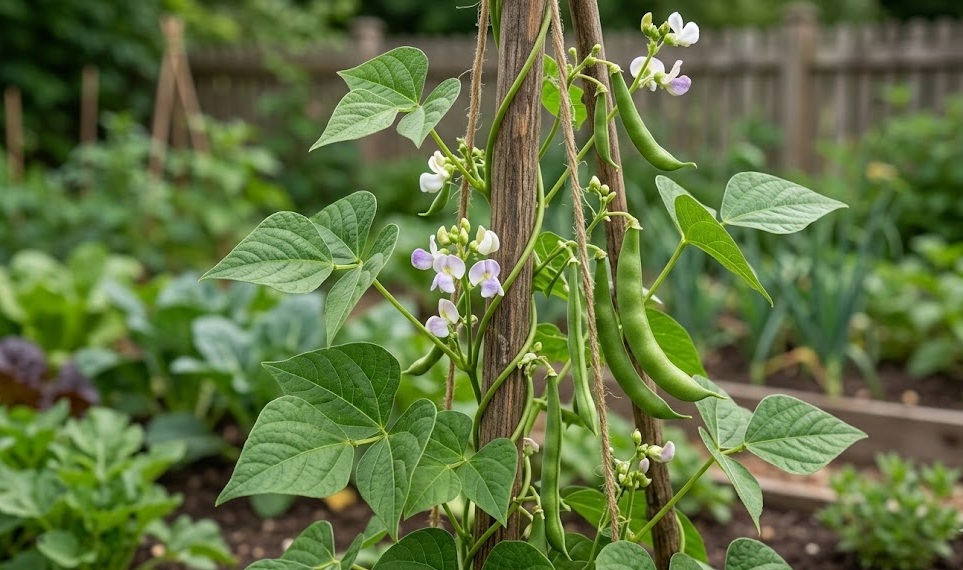
For climbing or pole beans, the most common form of pruning is “pinching back” the growing tips once the plants have reached the top of their support. This simple action disrupts the apical dominance of the main vine and encourages the plant to put more energy into lateral branching and flower production. You should use your thumb and forefinger to snap off the very end of the leading shoot when it is about 15 to 20 centimeters past the top of the trellis. This prevents the vines from becoming a tangled, unmanageable mess that is difficult to navigate during the harvest.
Bush beans require much less intervention, but they can still benefit from the removal of the lower, older leaves as the season progresses. These leaves often become yellow and are the first to be attacked by soil-borne pathogens because of their proximity to the ground. By thinning out the foliage near the base of the plant, you improve the airflow and allow the soil to dry more quickly after irrigation. You should always use clean, sharp tools for this task to ensure that the wounds heal quickly without becoming entry points for infection.
Pruning is also an essential part of disease management, especially when you notice the first signs of fungal infections like powdery mildew or rust. You should immediately remove any leaves that show symptoms and dispose of them far away from your compost pile. This “sanitary pruning” can slow down the spread of the pathogen and give the rest of the plant a better chance to survive and produce fruit. A professional gardener is always vigilant, using pruning as a surgical tool to protect the overall health of the entire crop.
Encouraging lateral growth and flowering
Encouraging the development of side shoots is a professional strategy for increasing the total number of flowering sites on a bean plant. When you remove the main growing tip, the plant redirects its hormonal balance to activate the dormant buds located in the leaf axils. These new branches will soon produce their own sets of leaves and, more importantly, a fresh flush of flowers and pods. This technique is particularly useful for gardeners with limited vertical space who want to maximize the density of their bean harvest.
More articles on this topic
You should also keep an eye on any “blind” shoots that are producing lots of leaves but no flowers, as these are simply draining the plant’s resources. While you don’t want to over-prune, removing a few of these non-productive branches can help the plant focus its energy on the developing pods. This is especially important during the latter half of the growing season when the plant’s overall energy reserves are beginning to decline. A balanced approach ensures that the plant remains vigorous without becoming overly stressed by the pruning process.
Thinning out the interior of a dense bean bush can also help light reach the inner flowers, which might otherwise fail to develop into pods. You should look for areas where the leaves are overlapping so tightly that they are trapping moisture and blocking out the sun. Removing a few strategically chosen leaves can create “light chimneys” that improve the photosynthetic efficiency of the entire plant. Professional growers know that every leaf should ideally have its own space to capture sunlight and contribute to the plant’s total energy budget.
Timing your pruning activities is just as important as the technique itself to avoid interfering with the peak production period. You should generally avoid heavy pruning while the plant is in full bloom, as the shock can sometimes cause the delicate flowers to drop. Instead, perform your maintenance pruning in small increments throughout the vegetative stage and during the early stages of pod development. This gradual approach allows the plant to adjust its growth patterns without the dramatic stress of a single, massive cutting session.
End of season cutting and soil management
As the growing season comes to a close and the first frosts are forecasted, your pruning routine will shift toward preparing the plants for removal. For annual beans, you should cut the vines down to the ground level once they have finished their final harvest and the foliage begins to yellow naturally. As mentioned in other professional guides, leaving the roots in the soil is a vital practice for preserving the nitrogen fixed by the Rhizobium bacteria. This “below-ground pruning” is one of the most effective ways to build long-term fertility in your garden soil.
More articles on this topic
The discarded bean vines can be a valuable source of organic matter for your compost pile, provided they are healthy and free of pests. You should chop the long vines into smaller pieces to speed up the decomposition process and ensure they break down evenly. If you suspect that your plants were infected with viruses or persistent fungal spores, it is better to burn them or dispose of them in the municipal green waste. Professional gardening involves a commitment to breaking the cycle of disease, even if it means sacrificing a bit of compost material.
In the case of perennial runner beans, the end-of-season cutting is a critical step in the overwintering process described earlier. You must remove all the top growth to prevent the dying vines from harboring pests that could attack the dormant roots during the winter. This clean slate also makes it much easier to apply the thick layer of protective mulch that the roots need to survive the cold. A tidy garden in the late autumn is the hallmark of a professional who is already thinking about the success of the following spring.
Finally, always remember to clean and sanitize your pruning tools after each session to prevent the accidental spread of pathogens between plants. A simple wipe with a solution of isopropyl alcohol or a mild bleach mixture is enough to keep your shears and knives safe for use. This professional habit is one of the simplest yet most effective ways to maintain a healthy and productive garden over many years. With a thoughtful approach to pruning and cutting back, you will enjoy a more manageable, beautiful, and bountiful bean harvest every single season.