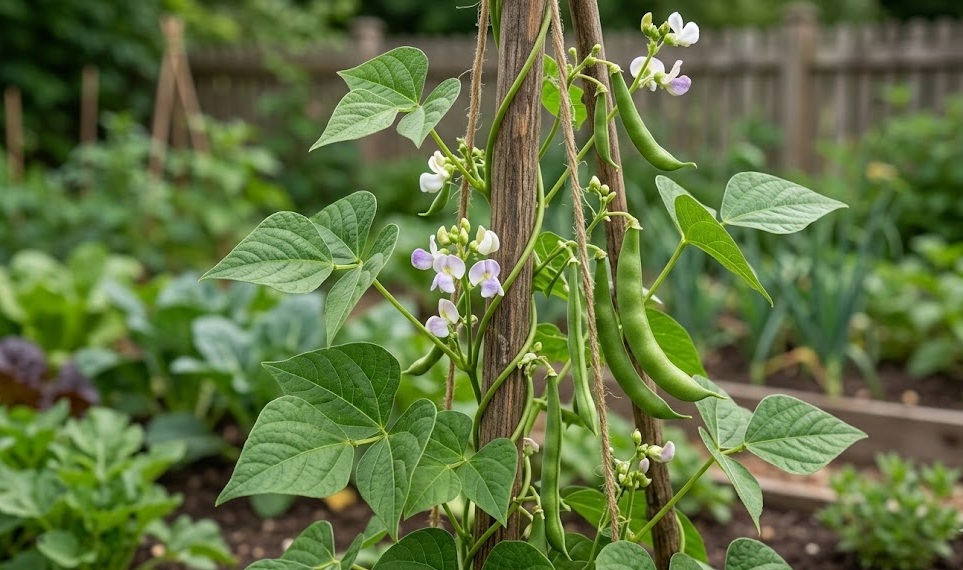

Understanding the light requirements of beans is a fundamental pillar of professional horticulture that dictates the health and yield of your crop. As photosynthetic organisms, beans rely on solar energy to convert water and carbon dioxide into the sugars that fuel their rapid growth. You must carefully evaluate the solar exposure of your garden beds to ensure that your plants are receiving the optimal intensity and duration of light. A professional gardener knows that light is just as important as water or nutrients when it comes to producing a high-quality harvest.
Most common varieties of beans are classified as full-sun plants, meaning they require at least six to eight hours of direct sunlight every day. This intense energy is necessary for the plant to produce enough carbohydrates to support both the vegetative growth and the demanding reproductive phase. You will notice that beans grown in insufficient light often become “leggy,” with long, weak stems and very few leaves as they stretch toward the sun. This weak structure makes them much more susceptible to damage from wind and heavy rain as they mature.
The quality of the light is just as important as the quantity, with the morning sun often being the most beneficial for garden health. Early morning light helps to evaporate the dew from the leaves, which is a critical step in preventing the spread of fungal and bacterial diseases. You should try to orient your bean rows in a north-south direction to ensure that each side of the plant receives an equal share of the daily solar radiation. This balanced exposure promotes uniform growth and ensures that the pods on the interior of the plant also reach full maturity.
In professional farming, the concept of the “extinction coefficient” describes how light is filtered through the layers of the plant canopy. You should manage the density of your bean plantation to ensure that light can penetrate through the upper leaves to reach the lower sections of the plant. If the canopy becomes too thick, the lower leaves will eventually turn yellow and die because they cannot produce enough energy to sustain themselves. Proper pruning and spacing are the primary tools you have to maintain an efficient light-capturing system throughout the entire plant.
Photoperiodism and seasonal shifts
The response of bean plants to the length of the day and night is known as photoperiodism, and it plays a major role in their development. Some heirloom or tropical varieties are “short-day” plants, meaning they will only begin to flower when the nights become longer in the late summer or autumn. Most modern garden cultivars, however, have been bred to be “day-neutral,” allowing them to flower and produce pods regardless of the specific day length. You should be aware of these traits when selecting seeds, especially if you live in a region with a very short or very long growing season.
More articles on this topic
As the seasons change, the angle of the sun and the intensity of its rays will fluctuate, impacting the microclimate of your bean patch. In the height of summer, the light may actually become too intense, leading to sunscald on the leaves or the tender developing pods. You might notice bleached, papery spots on the foliage that has been overexposed to the midday sun during a heatwave. Professional growers sometimes use light-colored shade cloths to filter out the most damaging UV rays while still allowing enough light for photosynthesis to continue.
The geographic location of your garden also determines the “solar budget” that your bean plants have to work with each day. In northern latitudes, the days are longer but the light is less intense, while in southern regions, the sun is much more direct and powerful. You should adjust your planting dates and variety selection to take advantage of the peak solar window in your specific area. Understanding these broad environmental patterns allows you to work with nature rather than against it, leading to a more consistent and professional outcome.
In addition to direct sunlight, reflected light can also play a small but significant role in the energy balance of your garden. You can use light-colored mulches or even specialized reflective films to bounce more light up into the lower parts of the bean canopy. This technique is sometimes used by professionals to increase the photosynthetic efficiency of high-density crops or to compensate for partial shading. Every extra photon of light that a leaf captures is a small investment in the final weight and nutritional quality of your bean harvest.
Managing shade and light competition
While beans prefer full sun, they can sometimes tolerate partial shade, though this usually comes at the cost of a lower total yield. If you must grow beans in an area that receives only four to six hours of light, you should choose bush varieties rather than tall climbers. The climbing types require more energy to build their extensive vine structures and are much more likely to fail in low-light conditions. You should also expect the harvest to be delayed, as the plants will take longer to accumulate the energy needed for flowering.
More articles on this topic
Competition for light from nearby trees, buildings, or even taller garden crops like corn or sunflowers is a common professional challenge. You should map out the shadows in your garden at different times of the day to identify the areas with the most consistent solar exposure. If your bean patch is being shaded by overhanging branches, a bit of strategic tree pruning can make a world of difference for your vegetable production. A professional gardener is always thinking about the “vertical real estate” of the garden and how different plants interact with the path of the sun.
Using the light requirements of beans to your advantage can also involve a technique known as intercropping. For example, you can plant shade-loving greens like lettuce or spinach beneath the canopy of tall pole beans. The beans get the full sun they crave at the top of the trellis, while their large leaves provide a cool, dappled shade for the sensitive greens below. This multi-story approach to gardening maximizes the use of every square meter and creates a more diverse and productive ecosystem.
Finally, always remember that light is a dynamic resource that changes every day and every hour. You should be prepared to adapt your care routine as the plants grow and the seasons progress. Whether it’s moving a container-grown bean to a sunnier spot or installing a temporary shade structure during a record-breaking heatwave, your intervention is key. By mastering the light requirements of your beans, you ensure that your garden is always operating at its highest possible potential for growth and beauty.