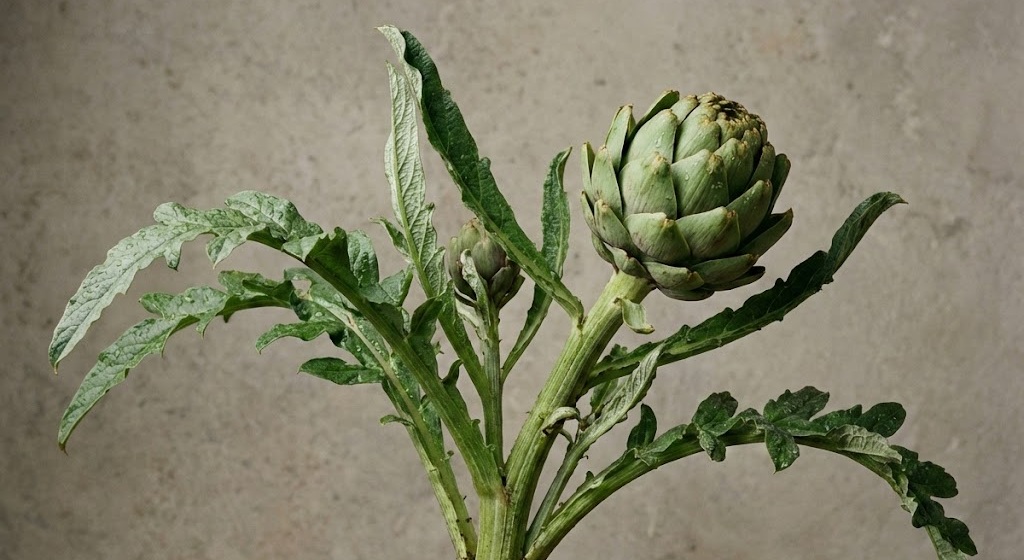

Pruning is a vital maintenance task that keeps artichoke plants healthy, productive, and aesthetically pleasing. Because these plants grow so vigorously, they can quickly become overcrowded and prone to disease without regular intervention. You must learn the correct techniques for removing old growth and thinning the plant to ensure the best possible harvest. Strategic cutting back also helps in preparing the plant for its various seasonal transitions.
The most common form of pruning involves removing the lower leaves that have become yellowed, damaged, or diseased. You should use sharp, clean shears to make a clean cut near the base of the leaf stem. This practice improves airflow around the crown and prevents the buildup of humidity that can lead to rot. Regularly cleaning up the base of the plant also makes it easier to inspect for pests like slugs or aphids.
After the main harvest is over, you should cut back the spent flower stalks to the level of the surrounding foliage. These stalks will eventually dry out and die, and removing them early helps the plant redirect its energy into new growth. You must be careful not to damage the emerging shoots that are often hidden at the base of the old stalks. This post-harvest cleanup is an essential part of maintaining a professional-looking and healthy garden.
In some climates, the plant may produce a second flush of growth in the autumn that can also be pruned for better results. You should thin out any excessive small shoots to allow the most robust ones to develop fully. This ensures that the plant does not waste its resources on weak growth that will not survive the winter. Professional pruning is about making choices that prioritize the long-term health and vigor of the entire organism.
Rejuvenation and seasonal cutting
At the end of the growing season, many gardeners choose to cut the entire plant back to within ten or fifteen centimeters of the ground. You should wait until the foliage has naturally started to die back after the first frost before performing this major pruning. This allows the plant to pull back as much energy as possible into its root system for the winter. Removing the bulk of the foliage also makes it much easier to apply winter protection like mulch or covers.
More articles on this topic
In the spring, as the new shoots begin to emerge, you should perform a “spring cleaning” of the crown. You can remove any remaining dead stems or debris that may have collected over the winter months. This opens up the center of the plant to the sun and air, encouraging strong and healthy new growth. A clean start in the spring is the best way to ensure a successful and productive new growing season.
Thinning the new shoots in the spring is a technique used by professional growers to increase the size of the flower heads. You should identify the three or four strongest shoots and remove the smaller, weaker ones that are growing around them. This reduces competition within the plant itself and ensures that the remaining stalks have plenty of resources. While it may feel counter-intuitive to remove healthy growth, it leads to a much higher quality harvest.
If you are growing artichokes in a region with very mild winters, the plant may not go completely dormant. In this case, you should still perform a moderate pruning to refresh the foliage and prevent the plant from becoming too woody. You can selectively remove the oldest leaves and any stems that have already flowered to encourage continuous renewal. This “rolling” pruning strategy keeps the plant in a state of active and productive growth year-round.
Tools and techniques for precision pruning
The quality of your tools will have a direct impact on the health of your plants after they have been pruned. You should always use high-quality bypass pruners or a sharp garden knife to ensure that you don’t crush the stems. Crushed or ragged cuts take longer to heal and are more susceptible to infection by bacteria and fungi. Keeping your tools sharp is one of the simplest but most important habits for any professional gardener.
More articles on this topic
Sanitizing your tools before and after pruning each plant is a critical step in preventing the spread of disease. You can use a simple solution of isopropyl alcohol or a dedicated horticultural disinfectant for this purpose. This practice is especially important if you are dealing with any plants that show signs of stress or illness. A few seconds of cleaning can protect your entire artichoke patch from a localized problem.
When cutting, you should always aim for a slight angle to prevent water from pooling on the flat surface of the cut stem. This helps the wound dry more quickly and reduces the risk of rot, especially during the rainy season. You should also try to cut just above a leaf node or a point where a new shoot is emerging. This directs the plant’s growth in a specific direction and helps in maintaining a balanced and attractive shape.
Disposing of the pruned material properly is the final step in a successful pruning session. You should compost healthy green leaves, but any diseased or pest-infested parts should be removed from the garden entirely. Burning or burying these materials deep in the ground ensures that you are not recycling problems back into your soil. A clean and tidy garden is naturally more resilient and easier to manage over the long term.